India: IIT Madras Offers AI Capacity-Building for Government
The Centre for Responsible AI (CeRAI) at the Wadhwani School of Data Science and Artificial Intelligence, IIT Madras, has initiated a new capacity-building program aimed at training Indian government officials in the development, procurement, and scaling of responsible artificial intelligence (AI) systems. This initiative is a collaborative effort with a global technology company and the Digital Futures Lab, an independent interdisciplinary research studio.
Objective of the Program
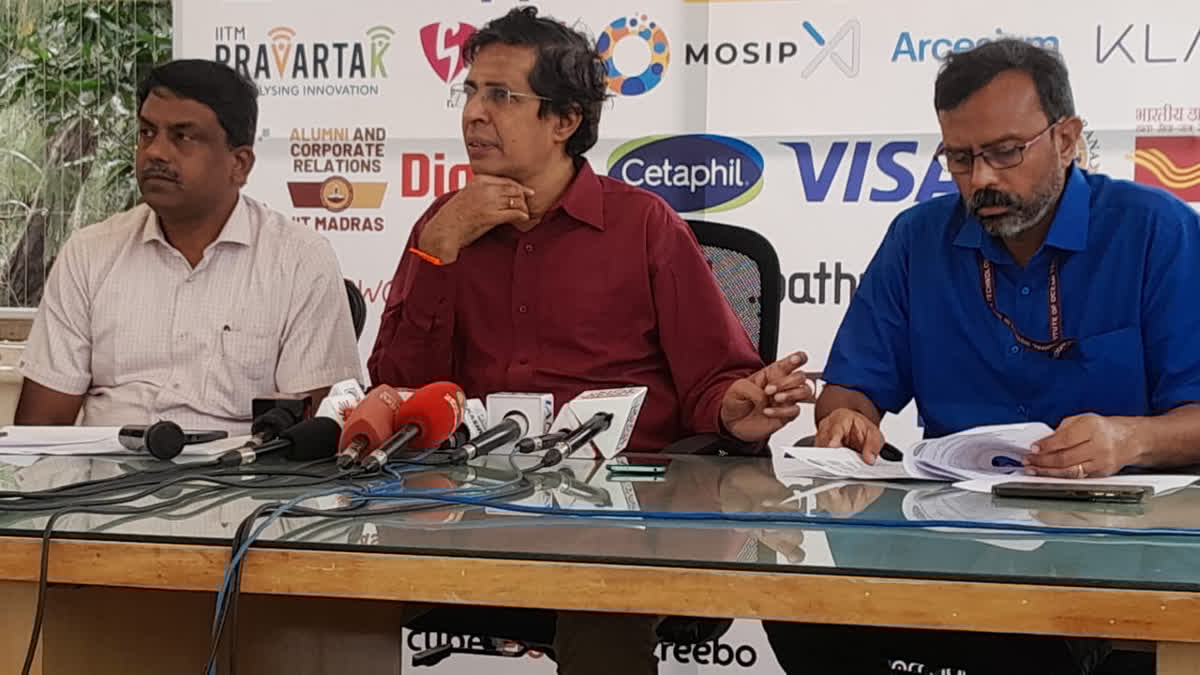
The program was unveiled during the Conclave on Strengthening Human Capital for the AI Era, held at IIT Madras. It is designed to equip government officials with the necessary technical, operational, and governance capabilities to effectively deploy AI across public institutions. As AI increasingly influences various sectors such as education, public service delivery, and digital governance, the need for public sector readiness has become paramount.
Key Focus Areas
The training program emphasizes several critical areas:
- Building AI awareness and literacy among government officials.
- Developing decision-making frameworks for AI implementation.
- Addressing the growing need for effective public sector readiness in AI adoption.
Curriculum Highlights
The curriculum is comprehensive, focusing on:
- Foundational AI technologies and their practical applications.
- Assessment of AI solutions for procurement and long-term deployment.
- Alignment with India’s policy frameworks that support transparency, accountability, and inclusivity.
- Strengthening institutional capacity and policy coherence.
- Long-term impact measurement and continuous learning.
- Responsible innovation and public trust.
Importance of Responsible AI Adoption
Professor B. Ravindran, Head of the Wadhwani School of Data Science and AI at IIT Madras, emphasized the significance of responsible AI adoption in the public sector. He stated that as AI systems increasingly influence decision-making, their development and deployment must be grounded in trust and inclusion. The Conclave aims to foster open dialogue on responsible AI use, particularly focusing on strengthening human capital through education about AI.
Collaboration with Industry Experts
The program is supported by a global technology company that recognizes the importance of a trusted digital ecosystem as AI becomes integral to everyday life. The Country Manager of the technology giant highlighted that the initiative goes beyond mere technology adoption; it aims to empower professionals across both public and private sectors with the knowledge required for responsible AI deployment, ensuring safety and fairness in India’s digital transformation.
Strengthening Government Capacity
Dr. Urvashi Aneja, Founder and Director of the Digital Futures Lab, pointed out that enhancing government capacity is a critical lever for the effective and responsible use of AI in India. She noted that this program would help establish India’s leadership in responsible AI across the Global South, with potential for expansion to other countries in the region.
Practical Learning Approaches
The curriculum also addresses risk identification, system limitations, and governance requirements associated with real-world AI deployments. Participants will engage in:
- Case studies to analyze successful AI implementations.
- Workshops for hands-on experience with AI tools.
- Assessments of their departments’ current AI readiness.
- Identification of pathways to adopt or improve AI-based tools within their respective domains.
Conclave on Strengthening Human Capital for the AI Era
The Conclave serves as a pre-summit event to the India AI Impact Summit 2026. It brings together a diverse group of stakeholders, including researchers, policymakers, industry leaders, and civil society, to build an AI-ready workforce in governance and education. The event aims to enhance AI literacy among both direct and indirect users of AI, align with national skilling priorities, and support the adoption of safe, trusted, and human-centered AI systems.
Conclusion
As AI continues to shape various sectors, initiatives like the capacity-building program at IIT Madras are crucial for ensuring that government officials are well-equipped to navigate the complexities of AI deployment responsibly. By fostering collaboration between academia, industry, and government, India is taking significant steps toward becoming a leader in responsible AI within the Global South.
Note: This article provides an overview of the AI capacity-building initiative at IIT Madras and its implications for government officials in India.