India to achieve India to Achieve $1 Trillion Bioeconomy by 2047: Dr Jitendra Trillion Bioeconomy by 2047: Dr Jitendra
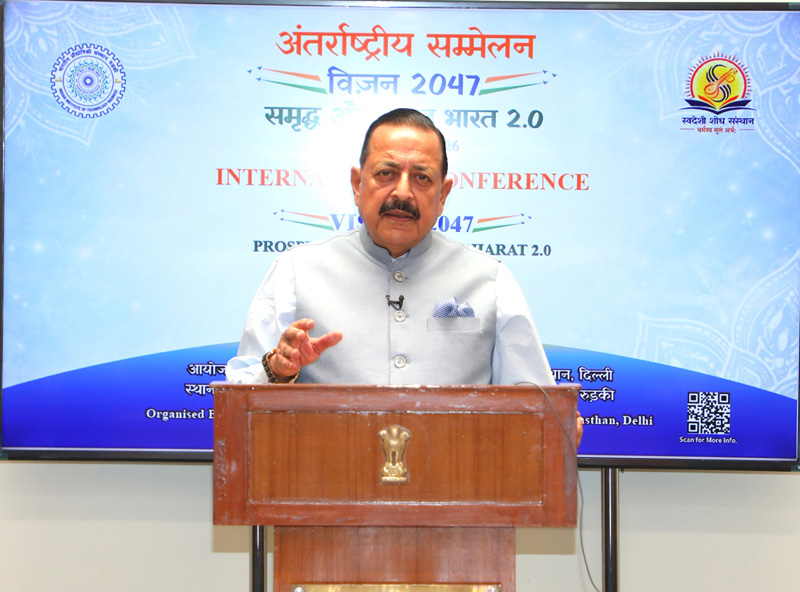
India is poised to embark on an ambitious journey towards establishing a $1 trillion bioeconomy by the year 2047. This goal was articulated by Dr. Jitendra Singh, the Union Minister of State for Science and Technology, during a recent conference. The bioeconomy encompasses the production, utilization, and conservation of biological resources, and it plays a crucial role in sustainable development and economic growth.
The Vision for a Bioeconomy
Dr. Singh emphasized that the vision for a robust bioeconomy is not merely about economic metrics but also about fostering innovation, sustainability, and inclusivity. He stated that the bioeconomy will leverage biological resources and processes to create sustainable products and services, thereby contributing to various sectors including agriculture, healthcare, and energy.
Key Components of the Bioeconomy
The bioeconomy is multifaceted and includes several key components:
- Agricultural Biotechnology: Enhancing crop yields and resilience through genetic engineering and biotechnological innovations.
- Healthcare and Pharmaceuticals: Developing biopharmaceuticals and vaccines to improve public health outcomes.
- Biofuels: Producing renewable energy sources from biological materials to reduce dependence on fossil fuels.
- Biodegradable Materials: Creating sustainable packaging and materials that minimize environmental impact.
- Waste Management: Utilizing biological processes to convert waste into valuable resources.
Government Initiatives and Support
The Indian government has recognized the potential of the bioeconomy and is taking significant steps to support its development. Key initiatives include:
- Investment in Research and Development: Increased funding for research in biotechnology and related fields to foster innovation.
- Public-Private Partnerships: Encouraging collaboration between government bodies and private enterprises to drive bioeconomic growth.
- Skill Development Programs: Training programs aimed at equipping the workforce with the necessary skills to thrive in the bioeconomy.
- Policy Frameworks: Establishing regulatory frameworks that support biotechnological advancements while ensuring safety and ethical standards.
Challenges Ahead
While the vision for a $1 trillion bioeconomy is ambitious, several challenges must be addressed:
- Regulatory Hurdles: Navigating the complex regulatory landscape can slow down innovation and implementation.
- Public Perception: Addressing concerns and misconceptions about biotechnology is crucial for public acceptance.
- Infrastructure Development: Building the necessary infrastructure to support biotechnological advancements is essential.
- Investment Gaps: Ensuring adequate funding and investment in bioeconomic sectors remains a challenge.
Global Context
India’s pursuit of a $1 trillion bioeconomy is set against a global backdrop where many countries are also investing in biotechnology and sustainable practices. The global bioeconomy is projected to grow significantly, with countries recognizing the importance of transitioning to sustainable practices to combat climate change and resource depletion.
In this context, India aims to position itself as a leader in the bioeconomy by harnessing its rich biodiversity and leveraging its scientific expertise. The country has the potential to become a hub for biotechnological innovation, attracting global investments and partnerships.
The Role of Startups and Innovation
Startups play a pivotal role in driving innovation within the bioeconomy. In recent years, India has witnessed a surge in biotech startups focusing on various aspects of the bioeconomy, including agricultural technology, healthcare solutions, and environmental sustainability. These startups are not only contributing to economic growth but also addressing pressing societal challenges.
Dr. Singh highlighted the importance of fostering a startup ecosystem that encourages creativity and innovation in biotechnology. This includes providing mentorship, funding opportunities, and access to research facilities to help startups scale their solutions.
Conclusion
India’s ambition to achieve a $1 trillion bioeconomy by 2047 represents a significant step towards sustainable development and economic resilience. With the right policies, investments, and collaborative efforts, the country can harness its biological resources to create a thriving bioeconomy that benefits society as a whole. The journey ahead will require addressing challenges and fostering an environment conducive to innovation and growth.
Note: The information provided in this article is based on statements made by Dr. Jitendra Singh and reflects the current vision and initiatives related to India’s bioeconomy as of 2023.