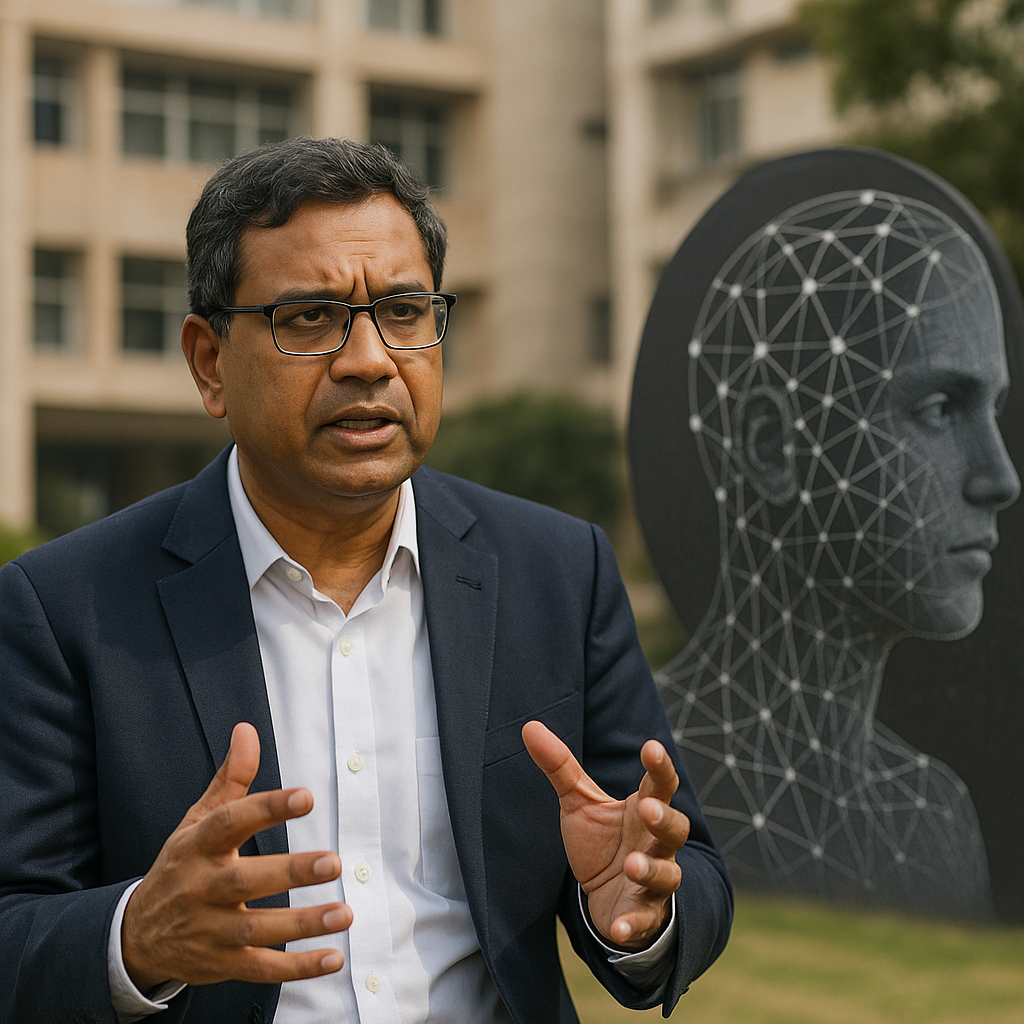
India to lead AI world for humanity's good, says IIT Ropar director
In a recent statement, the Director of the Indian Institute of Technology (IIT) Ropar emphasized India’s potential to become a global leader in artificial intelligence (AI) technology. This assertion comes at a time when AI is rapidly transforming various sectors, including healthcare, education, and industry. The director highlighted the importance of leveraging AI for the betterment of humanity, focusing on ethical considerations and inclusive development.
The Rise of AI in India
India has emerged as a significant player in the global AI landscape. With a large pool of talented engineers and researchers, the country is well-positioned to innovate and implement AI technologies. The government has also recognized the importance of AI, launching initiatives aimed at fostering research and development in this field.
Government Initiatives
The Indian government has introduced several initiatives to promote AI research and development. These include:
- NITI Aayog’s National Strategy for AI: Launched in 2018, this strategy aims to position India as a leader in AI by focusing on key sectors such as healthcare, agriculture, and education.
- AI Research Institutes: The establishment of dedicated AI research institutes across the country to foster innovation and collaboration among academia and industry.
- Skill Development Programs: Initiatives aimed at upskilling the workforce to meet the demands of an AI-driven economy.
Ethical AI Development
As AI technologies evolve, ethical considerations become increasingly important. The IIT Ropar director stressed the need for responsible AI development, ensuring that technologies are designed to benefit all sections of society. This includes addressing biases in AI algorithms and ensuring transparency in AI decision-making processes.
Key Ethical Considerations
Some of the critical ethical considerations in AI development include:
- Bias and Fairness: AI systems must be trained on diverse datasets to avoid perpetuating existing biases.
- Transparency: Developers should strive for transparency in AI algorithms to allow users to understand how decisions are made.
- Accountability: Clear accountability mechanisms should be established to address the consequences of AI decisions.
AI for Social Good
The IIT Ropar director emphasized that AI should be harnessed for social good. This involves using AI technologies to address pressing societal challenges, such as poverty, healthcare access, and education disparities. By focusing on these areas, India can leverage its AI capabilities to create a more equitable society.
Applications of AI for Social Good
Several applications of AI have the potential to significantly impact society:
- Healthcare: AI can improve diagnostics, personalize treatment plans, and enhance patient care through predictive analytics.
- Agriculture: AI-driven solutions can optimize crop yields, monitor soil health, and predict weather patterns to aid farmers.
- Education: AI can provide personalized learning experiences, helping students learn at their own pace and style.
Collaboration and Innovation
To achieve its goal of leading the AI world, India must foster collaboration between various stakeholders, including government, academia, and industry. The IIT Ropar director pointed out that innovation thrives in an environment where diverse perspectives come together to solve complex problems.
Building a Collaborative Ecosystem
Creating a robust ecosystem for AI innovation involves:
- Public-Private Partnerships: Collaborations between government entities and private companies can drive AI research and deployment.
- Academic-Industry Collaborations: Partnerships between educational institutions and industry can facilitate knowledge transfer and practical applications of AI research.
- International Cooperation: Engaging with global partners can help India stay at the forefront of AI advancements and share best practices.
The Future of AI in India
The future of AI in India looks promising, with significant investments in research and development expected to yield innovative solutions. The IIT Ropar director believes that by focusing on ethical AI development and leveraging technology for social good, India can set an example for the rest of the world.
Challenges Ahead
Despite the optimism, several challenges need to be addressed:
- Infrastructure: Adequate infrastructure is necessary to support AI research and deployment across various sectors.
- Regulatory Framework: A clear regulatory framework is essential to guide the ethical development and use of AI technologies.
- Public Awareness: Increasing public awareness about AI and its implications is crucial for fostering acceptance and understanding.
Conclusion
As India positions itself as a leader in AI technology, the focus must remain on harnessing these advancements for the greater good. By prioritizing ethical considerations and fostering collaboration, India can not only lead in AI innovation but also ensure that these technologies contribute positively to society.
Note: The insights shared in this article reflect the views of the IIT Ropar director and highlight the potential of India to shape the future of AI for humanity’s benefit.