India Unveils Its First Indigenous CAR-T Cell Therapy, Paving the Way for Affordable Cancer Immunotherapy
In a significant advancement for India’s biotechnology and cancer treatment landscape, Prime Minister Narendra Modi recently unveiled the country’s first indigenous CAR-T cell therapy, known as NexCAR19. Developed by ImmunoACT, a spin-off from the Indian Institute of Technology (IIT) Bombay, this innovative therapy aims to make cancer treatment more accessible and affordable for patients across the nation.
What is CAR-T Cell Therapy?
CAR-T cell therapy is a revolutionary form of immunotherapy that involves reprogramming a patient’s own immune cells to identify and combat cancer cells. This therapy has shown remarkable success, particularly in treating blood cancers such as Acute Lymphocytic Leukemia (ALL), especially in patients who have exhausted other treatment options.
NexCAR19: A Groundbreaking Innovation
NexCAR19 stands out as the world’s first humanized CAR-T therapy developed in India. It is a pioneering example of innovation that embodies the “Made in India, for the world” ethos. The therapy is categorized as a “living drug,” designed to be both affordable and accessible while adhering to global safety and scientific standards.
Support and Development
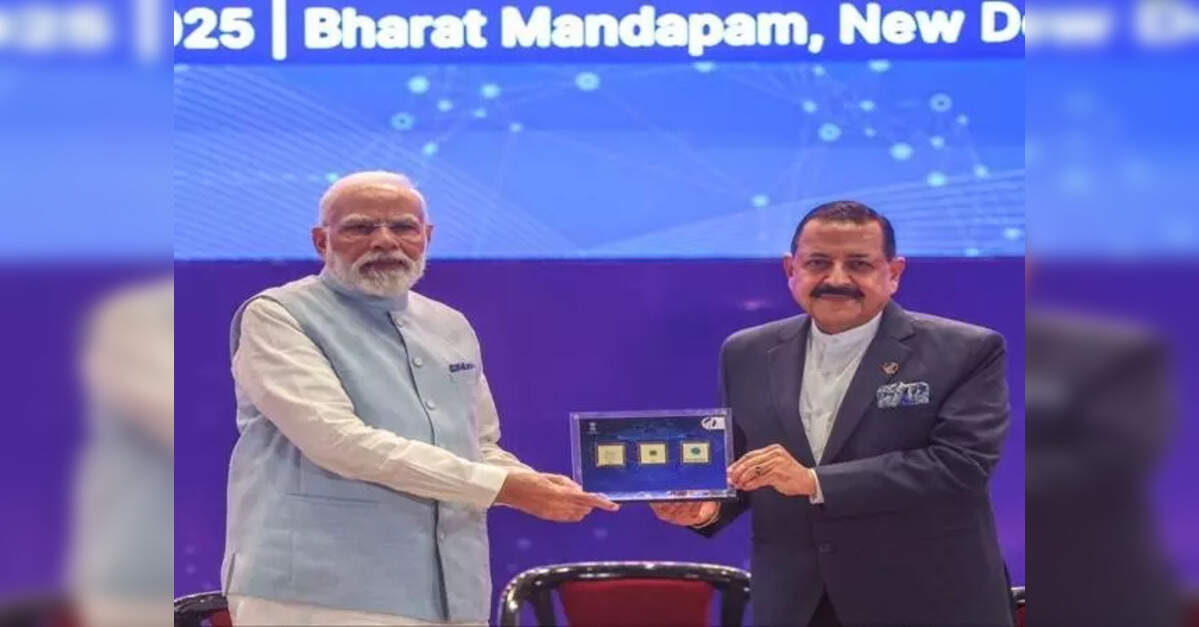
The development of NexCAR19 has been supported by key organizations, including the Department of Biotechnology (DBT) and the Biotechnology Industry Research Assistance Council (BIRAC). The therapy was showcased during the Emerging Science, Technology & Innovation Conclave (ESTIC) 2025 in New Delhi, where it was presented alongside other transformative innovations, such as India’s quantum security chip and quantum computing chip.
Clinical Trials and Promising Results
Clinical trials for NexCAR19 have been conducted at the Tata Memorial Centre (TMC), where initial results have shown promise in treating pediatric patients with leukemia. These trials are part of a collaborative effort between TMC and IIT Bombay, initiated in 2021 and partially funded by DBT and BIRAC through the National Biopharma Mission.
Manufacturing and Scalability
To facilitate the large-scale production of NexCAR19, ImmunoACT has received funding under DBT’s Biomanufacturing initiative within the BioE3 Policy. This funding will support the establishment of a 200L GMP (Good Manufacturing Practice) lentiviral vector and plasmid production platform. This advanced facility will enable the high-quality production of gene delivery vectors, capable of serving up to 1,000 patients annually.
Future Prospects
With the introduction of NexCAR19, India joins a select group of countries that are developing advanced cell and gene therapies. The government is actively promoting both early and late-stage translational research in CAR-T and other immunotherapies, with the aim of creating indigenous solutions for various cancers, including:
- Multiple Myeloma
- Relapsed or Refractory B-cell Leukemia
- Glioblastoma
This initiative also addresses challenges such as therapy-related toxicities, ensuring that patients receive safe and effective treatments.
Conclusion
NexCAR19 represents a significant milestone in India’s journey towards becoming a hub for innovative cancer therapies. It not only highlights the country’s growing capabilities in biotechnology but also underscores a commitment to making advanced cancer treatments accessible and affordable for all. As India continues to invest in research and development, the future of cancer care looks promising.
Note: The information presented in this article is based on the latest developments as of November 2025.