Insurance for All by 2047: A National Mission
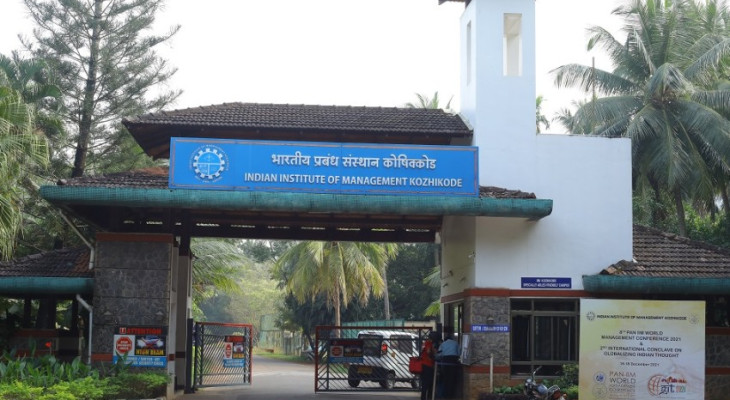
The Indian Institute of Management Kozhikode (IIMK) has released a pivotal report asserting that achieving the goal of “Insurance for All by 2047” is feasible, but it must be approached as a national mission rather than an afterthought in the market. The report emphasizes that significant reforms and coordinated efforts among various stakeholders are essential to enhance insurance penetration in India.
Current State of Insurance in India
Despite being the world’s fourth-largest economy, India faces challenges in insurance penetration, which currently stands at approximately 3.7% of the Gross Domestic Product (GDP). This figure highlights substantial gaps in coverage across several sectors, including:
- Health insurance
- Property insurance
- Catastrophe insurance
- Small-ticket non-life coverage
The report underscores that “Insurance for All” should be interpreted as universal access to affordable and appropriate risk protection, regardless of an individual’s income, geographical location, or social status.
Key Recommendations from the IIMK Report
The IIMK report outlines several strategic recommendations aimed at transforming the insurance landscape in India:
1. Regulatory Clarity and Support
The report calls for enhanced regulatory clarity to facilitate the growth of the insurance sector. This includes:
- Establishing clear guidelines for insurance products.
- Creating a conducive environment for innovation and competition.
2. Technological Leapfrogging
Technological advancements play a crucial role in modernizing the insurance industry. The report suggests:
- Adopting advanced technologies such as Artificial Intelligence (AI), Machine Learning (ML), and deep learning models.
- Utilizing technology to streamline operations and enhance customer experience.
3. Capital Deepening
To ensure the sustainability of insurance companies, the report recommends:
- Strengthening the capital base of insurers.
- Encouraging foreign investments in the insurance sector.
4. Building Institutional Trust
Trust is fundamental in the insurance sector. The report emphasizes the need for:
- Transparent communication from insurers.
- Efforts to enhance customer confidence in insurance products.
5. Targeted Coverage Goals
The report proposes that the Insurance Regulatory and Development Authority of India (IRDAI) should set phased targets for insurance coverage. Specifically, it suggests:
- Aiming for at least one term life policy and one health insurance policy to cover over 60% of the population by 2030.
- Increasing this coverage to 80% by 2040.
Restructuring the Insurance Sector
The report also highlights the necessity for restructuring within India’s insurance sector. Recommendations include:
- Divesting state ownership or recapitalizing insurers like National Insurance Company, Oriental Insurance Company, and United India Insurance, which are currently facing negative insolvency ratios.
- Encouraging mergers and acquisitions (M&A) to foster competition and innovation.
Furthermore, the report suggests that the government should engage professional advisory services to explore the best strategies for splitting and unbundling the Life Insurance Corporation (LIC) to create competitive units that attract fresh investments.
The Role of Stakeholders
Achieving the ambitious goal of “Insurance for All by 2047” requires coordinated action from various stakeholders, including:
- Regulators: Ensuring a supportive regulatory framework.
- Insurers: Innovating and adapting to market demands.
- Government: Implementing policies that promote insurance coverage.
- Technology Providers: Offering solutions that enhance operational efficiency.
- Civil Society: Advocating for the rights and needs of consumers.
Conclusion
The IIMK report presents a comprehensive roadmap for transforming the insurance landscape in India. By pursuing “Insurance for All” as a national mission, India can enhance its economic resilience, strengthen its social security architecture, and promote sustainable growth. The path forward requires timely reforms, rapid technological adoption, and sustained efforts to build institutional trust.
Note: The insights and recommendations provided in this article are based on the findings from the IIM Kozhikode report and reflect the current state of the insurance sector in India.