Intel to join Musk's Terafab mega AI chip project
On April 7, 2026, Intel announced its partnership with Elon Musk’s Terafab project, aimed at revolutionizing the production of AI chips. This collaboration is set to enhance Musk’s ambitious plans for robotics and data center technologies through the integration of advanced semiconductor manufacturing techniques.
Overview of the Terafab Project
The Terafab project is a significant initiative led by Musk, focusing on the development of a massive artificial intelligence chip fabrication facility. The goal is to produce an unprecedented 1 terawatt of computing power annually, which will be essential for future advancements in AI and robotics.
Intel’s involvement is expected to bring its extensive semiconductor expertise to the table, aligning with Musk’s vision of transforming industries through innovative technology.
Intel’s Strategic Move
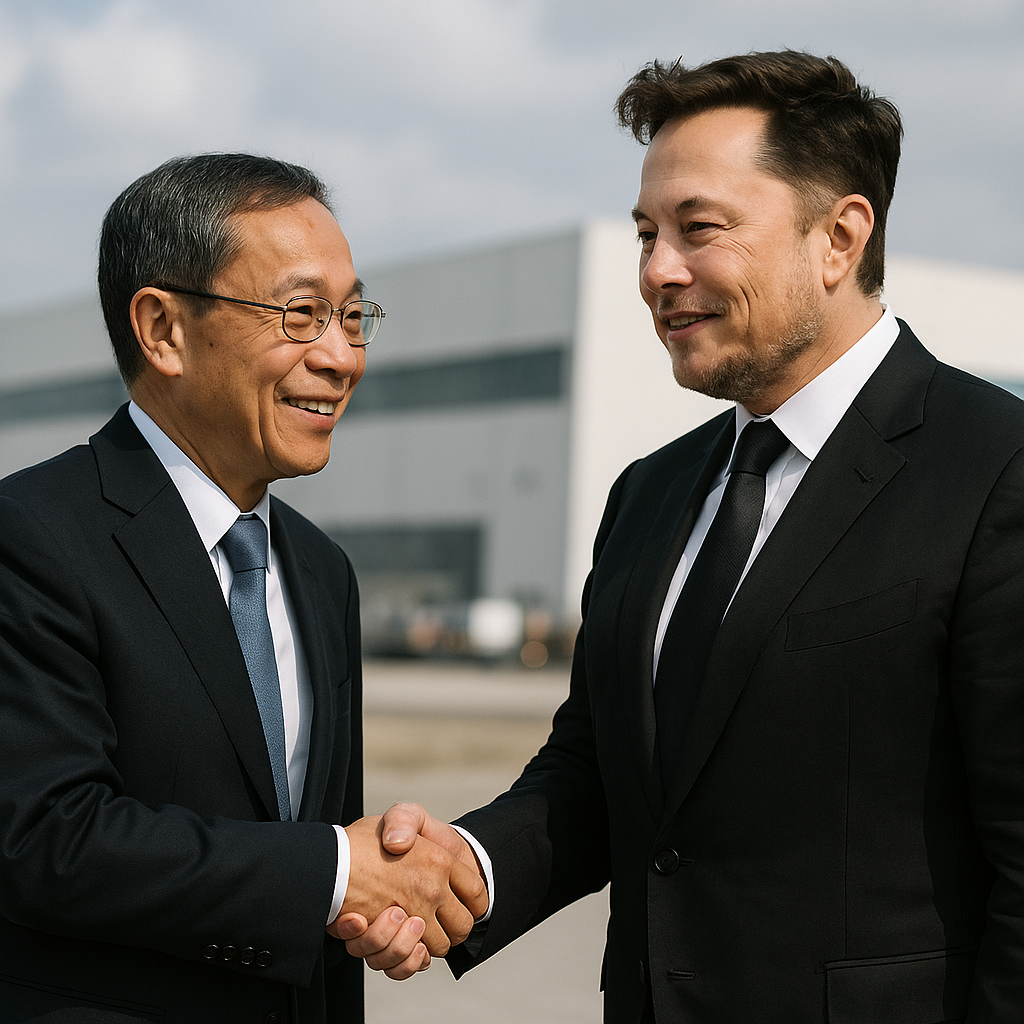
Following the announcement, Intel’s stock saw a notable increase of over 2%. The company shared a symbolic image of its CEO, Lip-Bu Tan, shaking hands with Musk, emphasizing the significance of this collaboration. This partnership comes at a time when Intel is actively seeking to regain its competitive edge in the semiconductor industry, particularly in the AI sector.
Intel’s Recent Developments
Intel has faced challenges in recent years, particularly in keeping pace with its competitors in the AI race. However, the partnership with Musk is seen as a pivotal step in revitalizing investor confidence and showcasing Intel’s commitment to supporting major technological projects.
Details of the Collaboration
According to Musk, the Terafab initiative will involve the establishment of two advanced chip factories in Austin, Texas. These facilities will cater to different aspects of Musk’s enterprises:
- Humanoid Robots: One factory will focus on producing chips for Tesla’s autonomous vehicles and humanoid robots.
- AI Data Centers: The second facility will be dedicated to creating chips for AI data centers, potentially including operations in space.
Elon Musk’s Vision
Musk has a history of reimagining industries, and his vision for Terafab reflects his ambition to revolutionize semiconductor manufacturing. He stated, “Terafab represents a step change in how silicon logic, memory, and packaging will get built in the future.” This forward-thinking approach aligns perfectly with Intel’s goals and capabilities.
Intel’s Turnaround Strategy
Under the leadership of CEO Lip-Bu Tan, Intel has been undergoing a significant restructuring process aimed at improving its financial health and operational efficiency. This partnership with Musk is a crucial component of that strategy.
Financial Improvements
Intel has recently experienced a resurgence in demand for its processors, which has positively impacted its financial performance. Analysts believe that this collaboration with Tesla will help Intel demonstrate its ability to support large-scale projects, enhancing its reputation in the semiconductor market.
Investment and Support
Intel has received substantial investments from various sources, including Nvidia and the U.S. government, which is now its largest shareholder. These investments are crucial for Intel’s ongoing efforts to innovate and expand its manufacturing capabilities.
Challenges Ahead
Despite the positive developments, Intel still faces challenges, particularly in its chip contract manufacturing business, known as Intel Foundry. This segment has been struggling, reporting an operating loss of $10.32 billion in 2025. The company is now focusing on its 18A manufacturing technology, which it plans to offer to external customers, marking a shift from its previous internal-only strategy.
Conclusion
Intel’s collaboration with Elon Musk’s Terafab project marks a significant milestone in the semiconductor industry. By leveraging Musk’s innovative vision and Intel’s manufacturing expertise, the partnership aims to propel advancements in AI and robotics. As both companies work towards their ambitious goals, the outcome of this collaboration could reshape the landscape of technology and manufacturing.
Note: The information presented in this article is based on current data and developments as of April 2026. Future updates may alter the context and implications of this partnership.