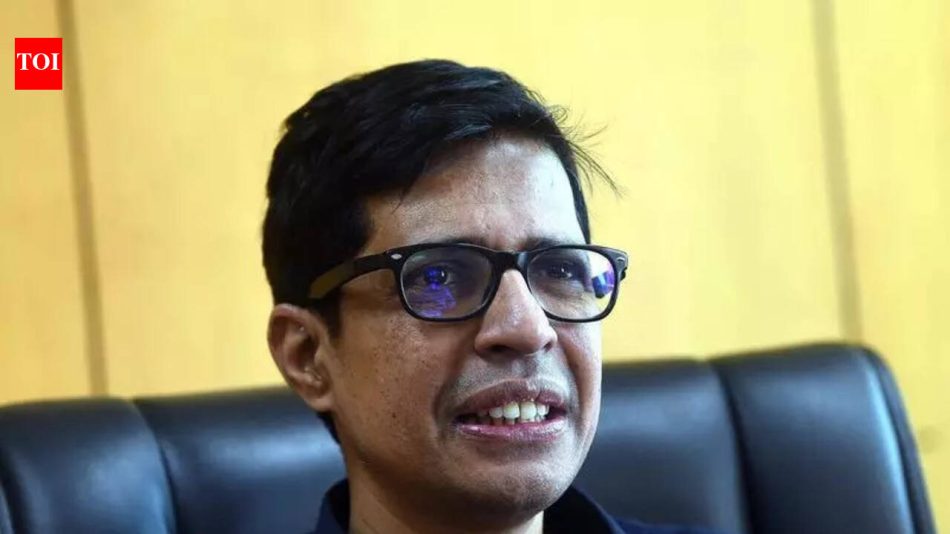
Kamakoti: We must grow our own tech
Chennai: In a recent address, V Kamakoti, the director of IIT Madras, emphasized the importance of developing indigenous technology in India. Speaking at the ‘Super Chennai Arattai’ event, he urged major industries in the country to adopt the Shakti microprocessor, which is designed and developed locally.
The Call for Indigenous Technology
Kamakoti stated, “We must grow our own technology and encourage our own designs. If we don’t respect our own technology, our country will remain the same.” His remarks highlight a growing sentiment among Indian technologists and entrepreneurs about the need to invest in homegrown solutions rather than relying on foreign technologies.
Success Stories from Startups
During his speech, Kamakoti cited the example of Agnikul Cosmos, a startup that successfully built a 3D printed rocket in just 72 hours. He noted that startups are achieving remarkable results that larger, established industries could not even dream of. “To encourage them, we have allowed our own startups to come and hire on Day 1 of campus placements this year,” he added.
Job Opportunities for Young Graduates
Agnikul Cosmos has made significant strides in the aerospace sector, offering ten job placements with an attractive package of 18 lakh per year. Kamakoti remarked, “This money is enough for young students, and they can be part of an exciting journey.” This initiative is part of a broader effort to create job opportunities within the country for graduates from prestigious institutions like IIT Madras.
Encouraging Focus on Education
Kamakoti also addressed the importance of education and urged students to concentrate on their studies from the grassroots level for a better understanding of their subjects. He noted a shift in the trend of students aspiring to study abroad, saying, “The craze for going to foreign countries has come down.” This change reflects a growing confidence in the quality of education provided by Indian institutions.
International Interest in IIT Madras
In a sign of IIT Madras’s rising reputation, the institution has received hundreds of applications from foreign countries for faculty positions. Kamakoti expressed his desire for international scholars to come to India for study and research, emphasizing the unique selling propositions (USPs) of IIT Madras, including its educational methodologies, pedagogical approaches, and overall way of life.
Recognition of Contributions
In recognition of his significant contributions to academia and technology, Kamakoti was awarded the Super Chennai Icon of the Month. This accolade reflects his commitment to advancing technology in India and fostering an environment conducive to innovation and growth.
The Future of Technology in India
The emphasis on developing indigenous technology is crucial for India’s future. By investing in local talent and fostering innovation, India can reduce its dependence on foreign technologies and create a robust ecosystem for technological advancement. This approach not only empowers local industries but also enhances national security by ensuring that critical technologies are developed domestically.
Benefits of Indigenous Technology
- Economic Growth: Developing homegrown technologies can stimulate economic growth by creating jobs and fostering entrepreneurship.
- National Security: Reducing reliance on foreign technologies enhances national security and self-sufficiency.
- Innovation: Encouraging local innovation can lead to unique solutions tailored to the specific needs of the Indian market.
- Skill Development: Focusing on indigenous technology promotes skill development among the youth, preparing them for future challenges.
Conclusion
As India continues to navigate the complexities of the global technology landscape, the call for developing indigenous technology becomes increasingly vital. By embracing homegrown innovations and supporting local startups, India can pave the way for a brighter technological future.
Note: This article reflects the views expressed by V Kamakoti and highlights the importance of fostering indigenous technology in India.