Kerala for All Conclave: Ecology Should Be the Starting Point of Tourism Plans
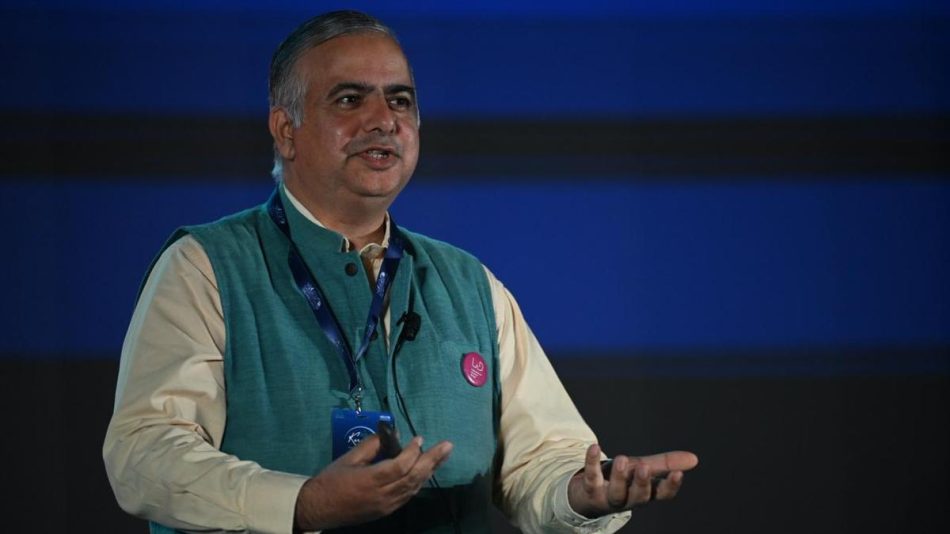
On January 31, 2026, the Kerala for All tourism conclave was held at the Hotel Grand Hyatt in Kochi, where Gaurav Raheja, a professor at the Department of Architecture and Planning at IIT Roorkee, presented a compelling argument for integrating ecological considerations into tourism planning. His remarks came during the session titled ‘Accessible and Inclusive Reflections (AIR) from Global Best Practices for Tourism.’
The Need for an Inclusive Tourism Framework
Raheja introduced a new concept aimed at enhancing Kerala’s tourism sector, termed Building an Accessibility Conscious Kerala (BACK). He emphasized that tourism should not be viewed as a standalone initiative but rather as an integral part of a broader societal framework. “Tourism must be sustained as an inclusive plan, not as a separate plan,” he stated, underscoring that tourism intersects with various aspects of life, including hospitality, travel, mobility, urban infrastructure, information, and communication.
According to Raheja, the notion of tourism destinations should evolve to reflect inclusivity. He pointed out that tourism is not merely about specific locations but encompasses a multitude of experiences and opportunities. This perspective encourages stakeholders to consider the diverse needs of all potential visitors.
Introducing the Accessibility Quality Index
In a bid to improve tourism accessibility, Raheja proposed the development of an Accessibility Quality Index (AQI) for Indian cities, akin to the existing Air Quality Index. “We need to initiate the assessment, monitoring, and enhancement of an Accessibility Quality Index for our cities,” he said. This innovative approach aims to create a framework for evaluating how accessible various destinations are for people with disabilities and other mobility challenges.
Raheja acknowledged that while India may not yet be fully inclusive in terms of infrastructure and technology, there exists a cultural willingness to embrace inclusivity. “There is a culture of inclusivity—a willingness to embrace it,” he observed, highlighting the potential for growth in this area.
Ecology as the Foundation
One of the key themes of Raheja’s presentation was the importance of placing ecology at the forefront of tourism planning. He argued that current discussions often prioritize economic factors over ecological considerations, which can lead to unsustainable practices. “Ecology should be the starting point, followed by society and then the economy,” he asserted. This approach challenges the conventional wisdom that economic viability must be the primary concern in tourism development.
Raheja lamented that many projects are only considered if they are economically sustainable, often neglecting the ecological impact. By shifting the focus to ecological sustainability, he believes that tourism can be developed in a way that benefits both the environment and local communities.
Global Examples of Inclusive Tourism
To illustrate his points, Raheja cited several global examples of inclusive and accessible tourism experiences. These included:
- Jungfraujoch in the Swiss Alps: Known for its breathtaking views and accessibility options for all visitors.
- Yehliu Geopark in New Taipei: A site that combines natural beauty with accessible pathways for tourists.
- The Black Forest in Germany: A region that promotes sustainable tourism practices while ensuring accessibility.
While Raheja acknowledged that these models may not be directly replicable in Kerala, he emphasized that they could serve as inspiration. “If we want to take Kerala forward, and India forward, on the road map of tourism and inclusion, such models can serve as triggers,” he remarked.
The Role of Stakeholders
Raheja’s vision for an accessible and ecologically sustainable tourism sector in Kerala requires the collaboration of various stakeholders, including government agencies, local communities, and the private sector. He called for a collective effort to create policies and practices that prioritize inclusivity and ecological sustainability.
By engaging all stakeholders in the planning process, Kerala can develop a tourism framework that not only attracts visitors but also respects and preserves its natural environment. This collaborative approach will ensure that tourism benefits the local economy while fostering a sense of community and environmental stewardship.
Conclusion
The Kerala for All conclave highlighted the urgent need to rethink tourism planning in the state. Gaurav Raheja’s insights on integrating ecology, inclusivity, and accessibility into tourism development present a compelling case for a new paradigm in the industry. As Kerala moves forward, embracing these principles will be essential for creating a sustainable and vibrant tourism sector that benefits all.
Note: The ideas presented in this article are based on the insights shared by Gaurav Raheja during the Kerala for All conclave and reflect a growing recognition of the need for sustainable tourism practices.