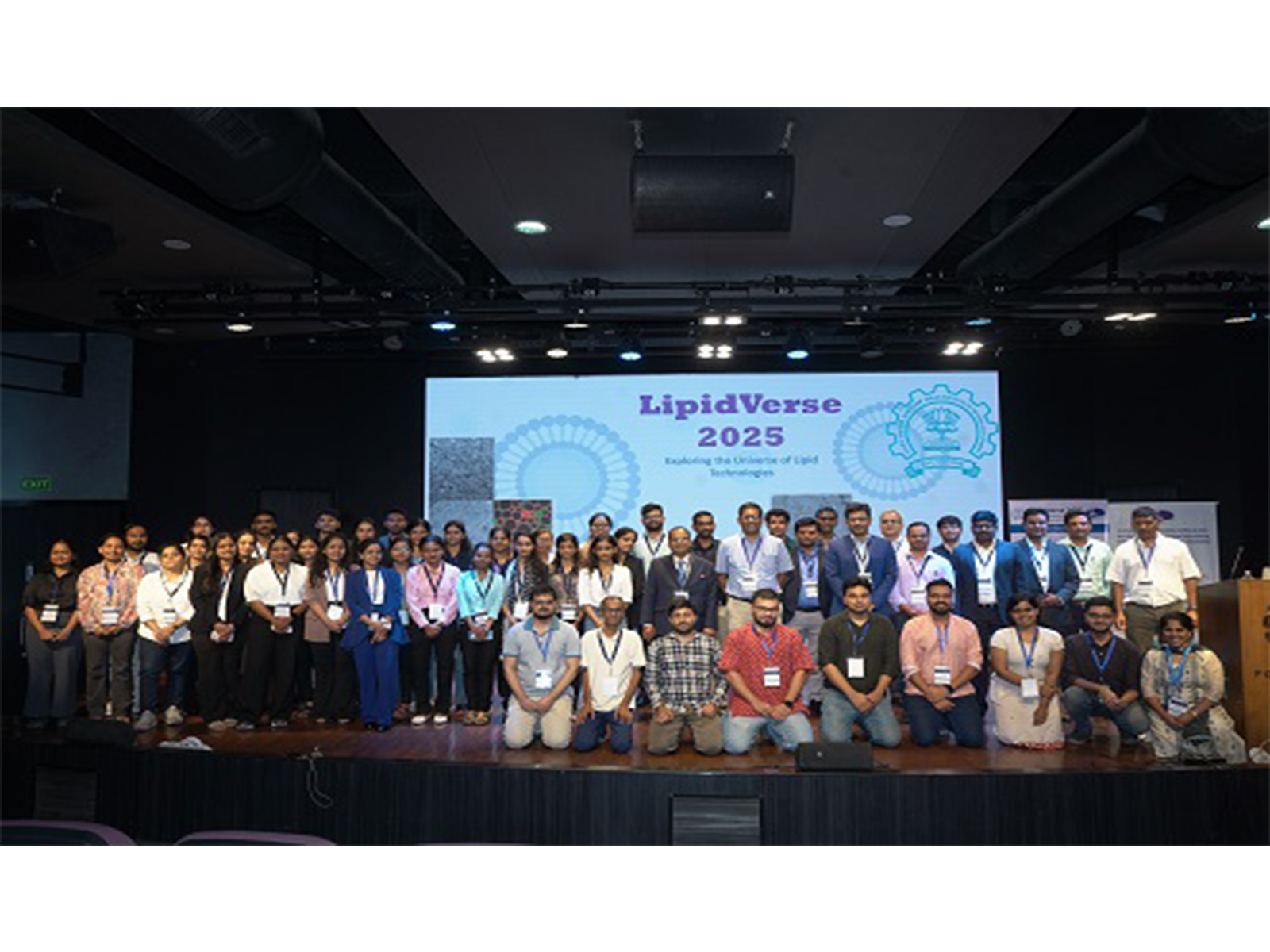
LipidVerse 2025 Highlights Transformative Potential of Lipid Nanomedicine
The field of nanomedicine is rapidly evolving, and lipid nanomedicine is at the forefront of this transformation. The LipidVerse 2025 conference recently showcased groundbreaking advancements in lipid-based drug delivery systems, emphasizing their potential to revolutionize therapeutic approaches across various medical disciplines.
What is Lipid Nanomedicine?
Lipid nanomedicine involves the use of lipid-based nanoparticles for drug delivery. These nanoparticles can encapsulate therapeutic agents, improving their solubility, stability, and bioavailability. This technology has the potential to enhance the efficacy of drugs while minimizing side effects, making it a promising avenue for treating a wide range of diseases.
Key Highlights from LipidVerse 2025
The LipidVerse 2025 conference brought together leading researchers, industry experts, and healthcare professionals to discuss the latest innovations and applications of lipid nanomedicine. Here are some of the key highlights:
1. Enhanced Drug Delivery Systems
One of the primary focuses of the conference was the development of advanced lipid-based drug delivery systems. Researchers presented novel formulations that improve the targeted delivery of therapeutics to specific tissues or cells. This targeted approach not only increases the effectiveness of the treatment but also reduces the risk of systemic side effects.
2. Applications in Cancer Therapy
Cancer treatment remains one of the most promising applications for lipid nanomedicine. Presentations highlighted how lipid nanoparticles can be engineered to deliver chemotherapeutic agents directly to tumor sites, enhancing the drugs’ efficacy while sparing healthy tissues. This targeted delivery system is expected to lead to better patient outcomes and fewer adverse effects.
3. Vaccine Development
The COVID-19 pandemic underscored the importance of rapid vaccine development. Lipid nanoparticles have emerged as a critical component in mRNA vaccine technology. At LipidVerse 2025, researchers discussed the potential of lipid nanomedicine to facilitate the delivery of new vaccines, including those targeting infectious diseases and emerging pathogens.
4. Innovations in Formulation Techniques
Innovative formulation techniques were a major topic of discussion at the conference. Researchers showcased new methods for creating lipid nanoparticles that enhance drug encapsulation efficiency and stability. These advancements are crucial for the development of effective lipid-based therapies.
5. Regulatory and Safety Considerations
As lipid nanomedicine continues to advance, regulatory and safety considerations remain paramount. Experts discussed the need for comprehensive safety evaluations and regulatory frameworks to ensure that lipid-based therapies are safe and effective for patient use. The importance of preclinical and clinical studies was emphasized to support the transition from laboratory research to clinical application.
Future Directions in Lipid Nanomedicine
The future of lipid nanomedicine looks promising, with ongoing research aimed at overcoming current challenges. Some of the future directions discussed at LipidVerse 2025 include:
- Personalized Medicine: Tailoring lipid-based therapies to individual patient profiles could enhance treatment efficacy and minimize adverse effects.
- Combination Therapies: Exploring the use of lipid nanoparticles in combination with other therapeutic modalities, such as immunotherapy, may lead to synergistic effects.
- Global Health Applications: Expanding the use of lipid nanomedicine to address global health challenges, including infectious diseases in low-resource settings.
- Advanced Manufacturing Techniques: Developing scalable manufacturing processes for lipid nanoparticles to ensure their availability for widespread clinical use.
Conclusion
LipidVerse 2025 highlighted the transformative potential of lipid nanomedicine in modern healthcare. The advancements presented at the conference underscore the importance of continued research and collaboration among scientists, clinicians, and industry leaders. As lipid-based therapies become more refined and widely adopted, they hold the promise of significantly improving patient outcomes across various medical fields.
Note: The information presented in this article is based on the highlights from the LipidVerse 2025 conference and reflects the current state of research in lipid nanomedicine as of October 2023.