LPG shortage hits Bengal: IIT Kharagpur switches to firewood; hosp, govt canteens alter menus
As the ongoing conflict in West Asia disrupts energy shipments through the Strait of Hormuz, West Bengal is facing a significant shortage of commercial Liquefied Petroleum Gas (LPG) cylinders. This crisis has prompted various institutions, including the prestigious Indian Institute of Technology (IIT) Kharagpur, to make drastic changes to their cooking methods and food offerings.
Impact on IIT Kharagpur
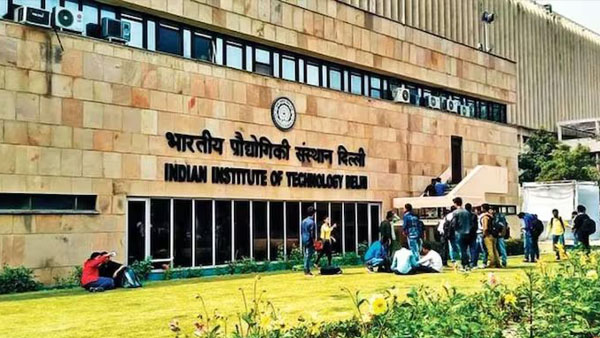
The IIT Kharagpur authorities announced that they have shut down the LPG ovens in their campus canteen and switched to using firewood and clay ovens. Director Suman Chakraborty emphasized the need for alternative arrangements in light of the crisis, stating, “Clay ovens are part of India’s old tradition. We have to look for alternatives under the current circumstances.” The institute is actively seeking cooperation from local authorities to manage the situation.
Changes in Hospital Menus
The Desun Hospital in Kolkata has also been affected by the LPG shortage. The hospital has temporarily restricted its menu to vegetarian and egg-based meals for patients. Sajal Dutta, the hospital’s chairman and managing director, explained that non-vegetarian dishes typically require longer cooking times, making them impractical under the current circumstances. The hospital is exploring alternatives, such as industrial induction cooking systems, but these devices are currently in short supply and priced significantly higher than usual.
Government Canteens and Other Institutions
In addition to IIT Kharagpur and Desun Hospital, other institutions are also feeling the pinch of the LPG shortage. The canteens operated by private vendors inside Kolkata’s Writers’ Buildings, the state secretariat, have drastically reduced their menu offerings. Popular mutton dishes have been removed due to the difficulties in sourcing LPG, and staff members report having to buy cylinders from the black market at exorbitant prices.
Challenges Faced by Students
Calcutta University’s Indian Institute of Social Welfare and Business Management (IISWBM) has shut down its canteen, posing challenges for students who rely on campus dining options. Assistant Professor Piyali Sengupta expressed concern, stating, “This poses problems for students as many of them don’t get the time to leave campus to have lunch at restaurants.”
Impact on Fishermen
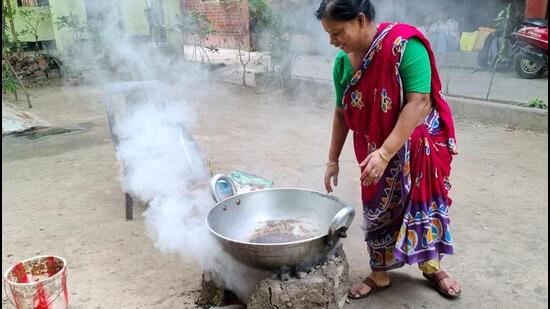
The LPG shortage is not limited to educational institutions and hospitals; it has also impacted deep-sea fishermen in the Bay of Bengal. Fishermen, who typically use LPG to cook food while at sea, have had to resort to using firewood instead. Satinath Patra, secretary of the fishermen’s union, highlighted the challenges of cooking with wood on fishing vessels, stating, “It is extremely difficult to cook with wood in fishing vessels. But there is no alternative.”
Government Response
In response to the LPG crisis, the West Bengal government has rolled out a standard operating procedure (SOP) to manage the situation. This includes the establishment of a 24×7 LPG control room at the state secretariat and the formation of a committee headed by the chief secretary to monitor and stabilize the supply chain. The government is also strengthening logistics to ensure uninterrupted supply and has set up designated public helplines for assistance.
Broader Implications of the Crisis
The LPG shortage in West Bengal is part of a larger issue affecting nearly a fourth of India’s natural gas requirements. This disruption has been attributed to force majeure conditions imposed by foreign suppliers due to the ongoing conflict in West Asia. The Indian government is actively seeking alternative routes for procurement to overcome the shortfall. Approximately 50% of India’s oil imports transit through the Strait of Hormuz, a crucial waterway that has been effectively shut down by Iran amid escalating tensions with Israel and the United States.
Public Awareness Campaigns
In an effort to curb panic among consumers, police in Siliguri, the largest town in north Bengal, have been using loudspeakers to announce that domestic LPG consumers should not succumb to rumors and should avoid panic booking. An LPG leader noted, “Panic booking is causing all the problems. There is no shortage of domestic cylinders as of now.”
Conclusion
The LPG shortage in West Bengal has created significant challenges for various sectors, including education, healthcare, and fishing. Institutions are adapting to the crisis by reverting to traditional cooking methods and altering their menus. The government’s proactive measures aim to stabilize the supply chain and alleviate the situation for consumers. As the conflict in West Asia continues to impact global energy supplies, the repercussions are being felt far beyond the immediate region.
Note: This article is based on current events as of March 2026 and is subject to change as the situation evolves.