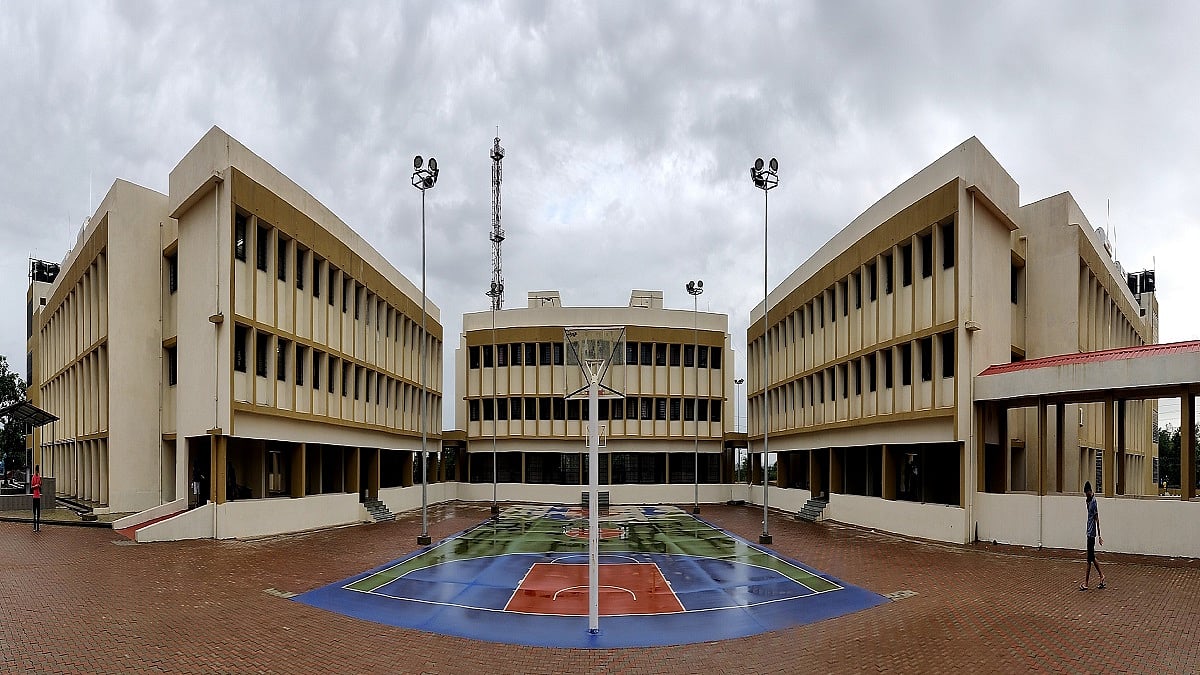
MeitY, IndiaAI, GoA and IIT Guwahati Host Human Capital Working Group Meeting
Date: January 5, 2026
Location: IIT Guwahati Campus
Introduction
The Ministry of Electronics and Information Technology (MeitY), the IndiaAI Mission, the Government of Assam (GoA), and IIT Guwahati convened a two-day Working Group Meeting focused on “Human Capital.” This significant event brought together senior policymakers, academic leaders, industry experts, and practitioners to discuss education reform, workforce transition, and the adoption of inclusive, human-centric artificial intelligence (AI).
Objectives of the Meeting
The meeting, held on January 5-6, 2026, served as a precursor to the India AI Impact Summit 2026, which is scheduled to take place in New Delhi from February 15-20, 2026. The discussions aimed to inform national-level deliberations and policy outcomes regarding the integration of AI into various sectors.
Keynote Addresses
The opening session featured several prominent speakers:
- Shri Syedain Abbasi, IAS: Special Chief Secretary, Government of Assam
- Shri K. S. Gopinath Narayan, IAAS: Principal Secretary (IT), Government of Assam
- Prof. T. G. Sitharam: Chair, Human Capital Working Group
- Prof. Devendra Jalihal: Director, IIT Guwahati
- Ms. Shikha Dahiya: Joint Director, IndiaAI, MeitY
Human Capital in AI
During the meeting, speakers emphasized the crucial role of human capital in India’s AI journey. They discussed the need to move beyond traditional skilling models towards a focus on lifelong learning, augmentation, and institutional readiness.
Prof. Devendra Jalihal highlighted IIT Guwahati’s commitment to shaping future-ready human capital at the intersection of technology, education, and society. He noted the strong student participation as a reflection of the growing interest in creating inclusive AI ecosystems.
Vision for the India AI Impact Summit 2026
Ms. Shikha Dahiya outlined the vision for the upcoming India AI Impact Summit 2026, focusing on:
- Human capital development
- Democratization of AI resources
- Inclusive and responsible AI adoption, particularly for the Global South
She emphasized that the outcomes from the Guwahati deliberations would directly inform global discussions at the Summit.
Inclusive AI Transition
Prof. T. G. Sitharam stressed the importance of an inclusive and people-centric transition to an AI-enabled economy. He called for a shift from fragmented skilling efforts to lifelong learning ecosystems that prioritize adaptability, judgement, and human-centered capabilities alongside technical skills.
Shri K. S. Gopinath Narayan highlighted the fundamental shift AI represents in economies and societies. He warned against the risks of unchecked technological change, which could exacerbate inequalities across sectors and regions. He advocated for continuous learning, micro-skilling, and AI literacy as essential public capabilities.
Concerns and Recommendations
Shri Syedain Abbasi expressed concerns regarding the concentration of AI capabilities among a few global players, which could threaten India’s traditional IT and outsourcing employment models. He called for:
- Indigenous compute capacity
- Strong public-private collaboration
- Differentiated skilling pathways across education levels
The inaugural session concluded with a vote of thanks by Shri Ashwani Kumar, IAS, who expressed gratitude to the Human Capital Working Group and IIT Guwahati for their contributions to advancing India’s national AI agenda.
Key Highlights of Day 1
A significant highlight of the first day was the keynote address by Prof. Gautam Barua, Former Director of IIT Guwahati, titled “Democratizing Competency in the Age of AI.” This address explored the structural shift from traditional education systems to models that facilitate large-scale human augmentation through domain-specific AI tools.
Prof. Barua emphasized the need for sovereign, sector-aligned AI systems that enhance baseline human capability while ensuring transition security and social protection for workers affected by automation.
Panel Discussions
Gender-Responsive Strategies for the AI Transition
A panel discussion examined the impact of AI on women in the workforce, highlighting:
- Risks related to the automation of entry-level roles
- Widening wage gaps
- Data and algorithmic bias
- Unequal access to AI skilling
The discussion underscored the importance of inclusive design, explainable AI, and ecosystem-driven policy interventions to ensure equitable transitions.
Redefining Education for the Cognitive Age
The second panel discussion focused on how AI is reshaping learning objectives, pedagogy, and assessment systems. Key points included:
- The shift from rote-based instruction to cognitive, process-oriented learning
- The role of AI in personalizing education
- The need for community-tested, human-centric AI tools
- Alignment between education systems and industry skill requirements
Panellists emphasized adaptability, critical thinking, collaboration, and lifelong learning as essential capabilities for the AI era.
Conclusion
The Human Capital Working Group Meeting at IIT Guwahati marked a significant step towards shaping India’s approach to AI integration. By focusing on human capital, inclusive strategies, and educational reform, the discussions aim to ensure that India remains at the forefront of the AI revolution while addressing the challenges and opportunities it presents.
Note: The information presented in this article is based on the event held on January 5-6,