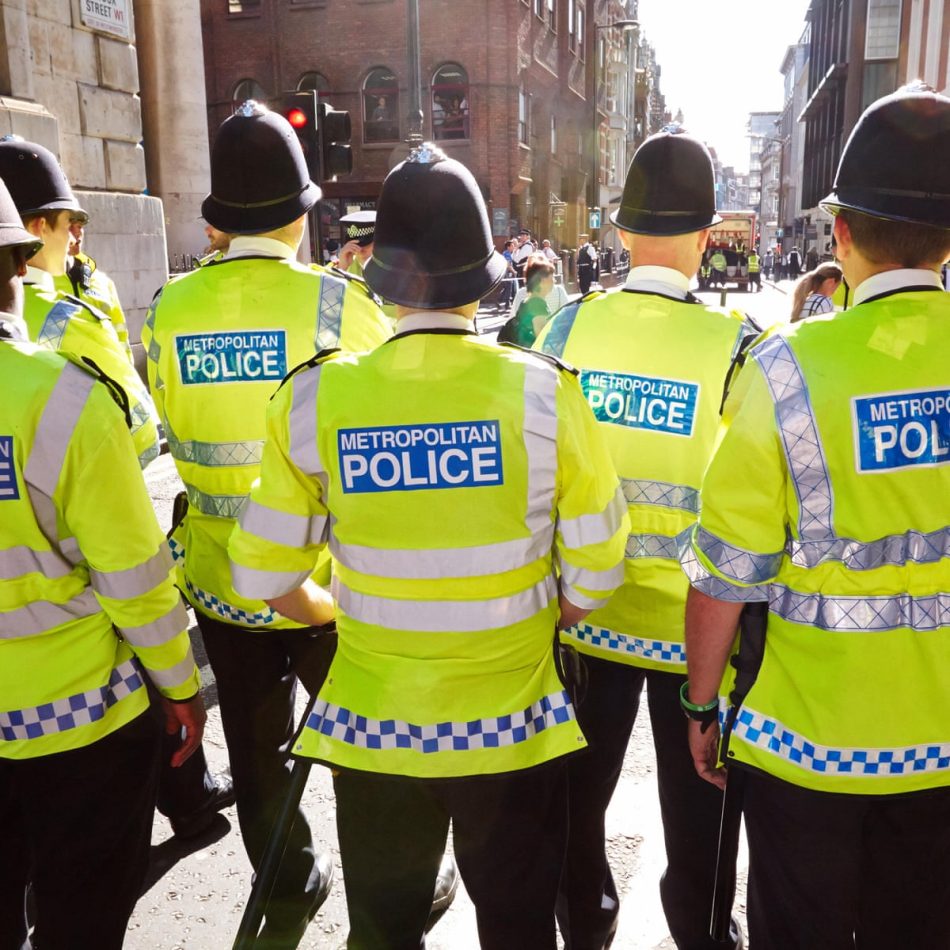
Met investigates hundreds of officers after using Palantir AI tool
The Metropolitan Police Service (Met) has initiated investigations into hundreds of its officers following the deployment of an artificial intelligence (AI) tool developed by Palantir Technologies. This controversial software was used to identify rule-breaking behaviors among police personnel, leading to significant findings regarding misconduct and potential criminal activities.
Deployment of AI Tool
Over the course of one week, the Met utilized the AI software to analyze data that the police force already had access to. The results were alarming, uncovering a range of violations, from work-from-home infractions to serious allegations of corruption and criminal behavior, including instances of sexual assault.
Findings of Misconduct
According to the Metropolitan Police, the AI tool revealed a troubling pattern of misconduct among its officers. Some of the key findings include:
- Three officers were arrested for serious offenses, including abuse of authority for sexual purposes, fraud, sexual assault, and misconduct in public office.
- A total of 98 officers are being evaluated for misconduct related to the misuse of the IT system that manages shift rosters, allegedly for personal or financial gain.
- Approximately 500 officers received prevention notices concerning the same misconduct issue.
- 42 senior officers, ranging from chief inspector to chief superintendent, are under investigation for serious noncompliance, including falsely claiming to be present in the office while actually working from home.
- 12 officers are being investigated for gross misconduct for failing to declare their membership in the Freemasons, which is now a mandatory disclosure within the force.
- Another 30 officers received prevention notices for suspected undeclared Freemason membership.
Background on Palantir Technologies
Palantir Technologies is a data analytics company that has faced scrutiny for its ties to controversial government programs, including the U.S. Immigration and Customs Enforcement (ICE) and the Israeli military. Recently, Members of Parliament (MPs) in the UK have called for the cancellation of a £330 million contract between Palantir and the National Health Service (NHS) due to ethical concerns.
Met’s Perspective on AI Implementation
The Metropolitan Police assert that the integration of AI technology is essential for modern policing. They believe that the use of such tools will help build trust, reduce crime, and raise operational standards within the force. The Met has previously introduced other technologies, such as drones and live facial recognition systems, claiming these innovations have contributed to enhanced public safety.
Statements from Police Leadership
Mark Rowley, the Commissioner of the Metropolitan Police, emphasized the necessity of adapting to technological advancements in policing. He stated:
“Criminals are constantly adapting how they use technology, and policing has to keep pace, not just on the streets but within our own organization. This is the Met using technology, data, and stronger legal powers to confront poor behavior, raise standards and fix our foundations as our communities would expect.”
Rowley further highlighted the commitment of the majority of officers who serve London with integrity and the importance of taking decisive action against those who abuse their positions of trust.
Future Implications
The investigations prompted by the AI tool’s findings raise significant questions about the culture within the Metropolitan Police. The force is now tasked with addressing the issues of misconduct and ensuring that officers adhere to the ethical standards expected of them. The use of AI is seen as a double-edged sword; while it can enhance oversight and accountability, it also poses challenges regarding privacy and the potential for misuse.
Conclusion
The Metropolitan Police’s decision to employ Palantir’s AI technology represents a significant shift in how law enforcement agencies might approach internal oversight and accountability. As investigations unfold, the outcomes may influence not only the future of policing in London but also set precedents for police forces worldwide regarding the integration of advanced technologies in their operations.
Note: The information presented in this article is based on reports available as of April 2026 and is subject to change as further developments occur.