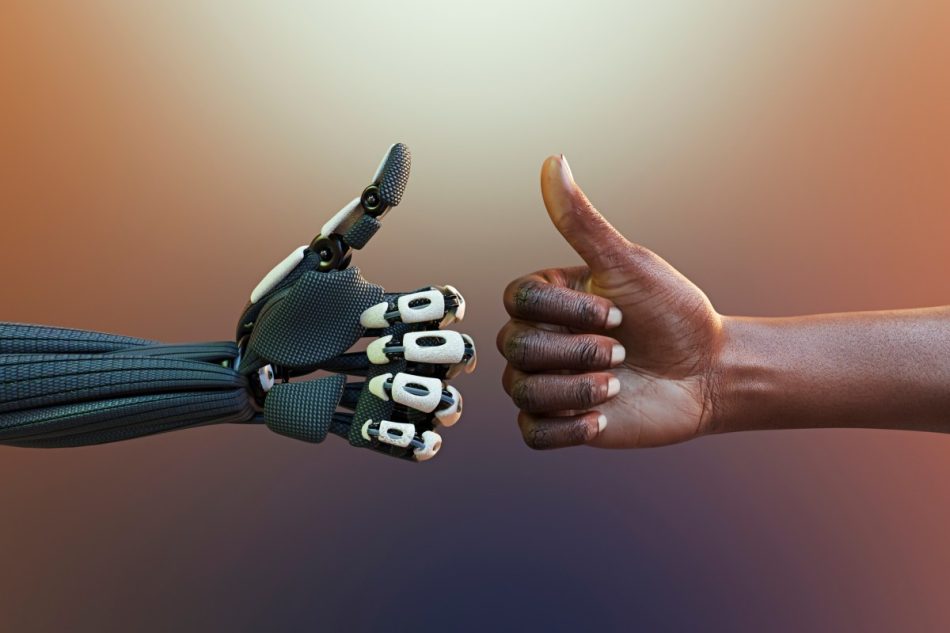
Meta buys robotics startup to bolster its humanoid AI ambitions
In a significant move to strengthen its position in the field of humanoid artificial intelligence, Meta has announced the acquisition of Assured Robot Intelligence (ARI), a robotics startup specializing in advanced robotic intelligence. The financial details of the acquisition remain undisclosed.
About Assured Robot Intelligence
Assured Robot Intelligence is recognized for its cutting-edge work in enabling robots to understand, predict, and adapt to human behaviors in complex and dynamic environments. This acquisition aligns with Meta’s broader ambitions to develop humanoid robots capable of performing various physical tasks, including household chores.
Key Personnel and Expertise
The ARI team, including co-founders Xiaolong Wang and Lerrel Pinto, will join Meta’s AI unit, known as the Superintelligence Labs research division. Both co-founders bring a wealth of experience and accolades from their previous roles:
- Xiaolong Wang: Formerly a researcher at Nvidia and an associate professor at UC San Diego, Wang has a notable record of prestigious awards in the field of robotics and AI.
- Lerrel Pinto: Previously an educator at NYU and co-founder of the kid-sized humanoid startup Fauna Robotics, Pinto has also received numerous awards for his contributions to robotics.
Strategic Importance of the Acquisition
Meta’s spokesperson emphasized the strategic importance of this acquisition, stating, “This team will bring a deep expertise in how we can design our models and frontier capabilities for robot control and self-learning to whole-body humanoid control.” This expertise is expected to accelerate Meta’s development of humanoid robotics technology.
Meta’s Long-Term Vision
Meta has been actively researching humanoid robotics technology for several years. A leaked memo from the previous year outlined the company’s ambitions to create a consumer-targeted humanoid robot, integrating both AI models and hardware. While it remains uncertain whether Meta will ultimately release a consumer humanoid product, many AI experts believe that the journey toward achieving artificial general intelligence (AGI)—the point at which AI reaches or surpasses human-level intelligence across all domains—will necessitate training AI models in real-world environments. This approach allows robots to learn through direct interaction rather than relying solely on data.
The Robotics Industry Landscape
The acquisition of ARI is part of a broader trend within the robotics industry, where companies are racing to develop advanced robotic technologies. The financial forecasts for the robotics sector vary significantly, reflecting both its immense potential and the uncertainties of emerging technologies. For instance:
- Goldman Sachs projects the robotics market could reach $38 billion by 2035.
- In contrast, Morgan Stanley estimates that the market could balloon to $5 trillion by 2050.
Future Implications for Meta and Robotics
Meta’s acquisition of ARI not only enhances its capabilities in humanoid robotics but also positions the company as a significant player in the rapidly evolving field of AI and robotics. As the technology continues to advance, the integration of AI with physical robotics will likely lead to innovations that could transform various industries, from domestic chores to complex industrial tasks.
Conclusion
As Meta continues to invest in humanoid robotics and AI, the implications of this acquisition will be closely monitored by industry experts and consumers alike. The potential for humanoid robots to integrate into everyday life presents both opportunities and challenges, prompting discussions about the future of work, ethics, and the role of AI in society.
Note: The information presented in this article is based on the latest available data as of May 2026 and is subject to change as new developments arise in the field of robotics and artificial intelligence.