Microsoft AI CEO Mustafa Suleyman: For the next couple years at least, entire AI industry is going to be defined by…
Mustafa Suleyman, the CEO of Microsoft AI, has made significant statements regarding the future of the artificial intelligence (AI) industry. He argues that the next few years will be defined not by the smartest AI models but by the companies that can afford to run these models at scale. This perspective marks a shift in the industry narrative, focusing on economic factors rather than purely technological advancements.
The Shift in AI Industry Focus
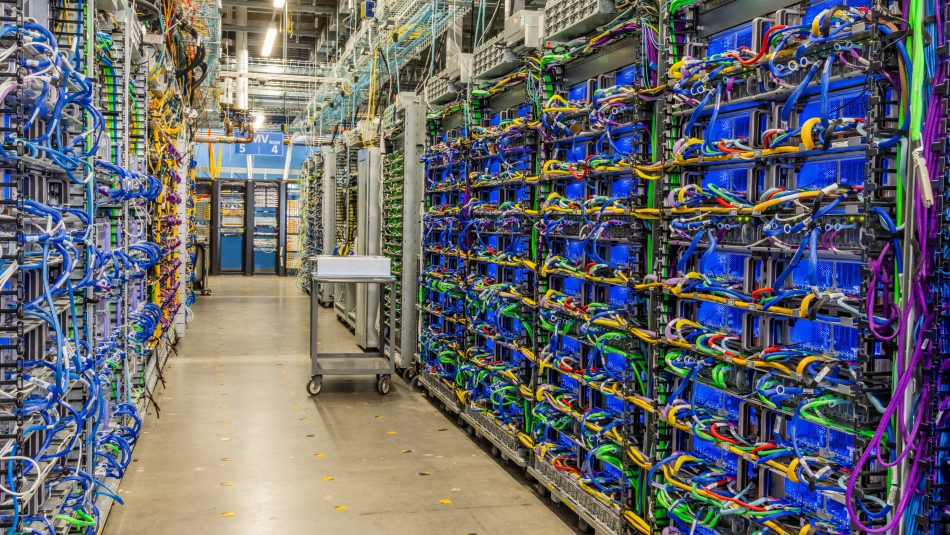
For years, the AI industry has been obsessed with developing larger and more intelligent foundation models. However, Suleyman posits that the real challenge lies in the operational aspect of AI—specifically, the ability to serve these models to millions of users in real-time. As of 2026, the demand for inference compute has dramatically outpaced supply, leading to a scarcity that will shape the industry’s landscape.
Inference Compute Scarcity
According to Suleyman, the scarcity of inference compute will be the defining factor for success in the AI industry over the next two to three years. He states, “For the next couple years at least, the entire AI industry is going to be defined by this fact: demand is going to wildly outstrip supply.” This situation creates a competitive environment where only companies with sufficient margins can afford the necessary resources to run their AI models effectively.
Key Statistics
- Inference workloads account for approximately two-thirds of all AI compute spending, as reported by Deloitte’s 2026 TMT Predictions.
- GPU lead times have extended to nearly a year, indicating a supply chain bottleneck.
- High-bandwidth memory from major suppliers is sold out through 2026.
- Out of the 16 GW of global data-center capacity planned for this year, only about 5 GW is currently under construction.
The Flywheel Effect
Suleyman introduces the concept of a “data flywheel” to explain how high-margin products can gain a competitive edge. Products with substantial gross margins—such as enterprise legal tools, healthcare SaaS, and Microsoft 365 Copilot—can absorb the premium costs associated with inference. This leads to lower latency, which in turn drives user retention. As users return, they generate valuable data that can be used to fine-tune and enhance AI models.
How the Flywheel Works
- High-margin products can afford premium inference costs.
- Lower latency improves user experience and retention.
- Returning users generate proprietary workflow data.
- This data is used to fine-tune and improve AI models.
- Better models lead to increased adoption and revenue.
Market Implications
The implications of Suleyman’s insights are significant. Companies that can leverage their financial resources to invest in AI infrastructure will likely emerge as leaders in the market. Microsoft, for instance, is investing over $80 billion annually into AI infrastructure, positioning itself to capitalize on the scarcity of compute resources.
Challenges for Consumer AI and Startups
On the flip side, consumer AI applications and cash-strapped startups face a challenging environment. Without the financial margins to invest in premium inference, these entities may suffer from slower response times and weaker user retention. This creates a vicious cycle where the lack of resources inhibits growth and innovation.
Industry Reactions
While Suleyman’s thesis has garnered attention, some industry experts have pushed back against his arguments. Critics suggest that intelligence-per-dollar might be more critical than the ability to pay for inference. Others believe that open-source and on-device models could disrupt the current dynamics by reducing inference costs significantly.
Conclusion
In summary, Mustafa Suleyman’s perspective on the future of the AI industry emphasizes the importance of operational capacity over model intelligence. As demand for AI services continues to grow, the companies that can afford to invest in the necessary infrastructure will likely lead the way. This shift in focus from model development to operational execution could redefine the competitive landscape of the AI industry in the coming years.
Note: The insights presented in this article are based on Mustafa Suleyman’s statements and industry trends as of 2026. The evolving nature of technology means that these dynamics may change rapidly.