MMRDA Begins Phased Resurfacing Of Atal Setu Under IIT Bombay’s Supervision
The Mumbai Metropolitan Region Development Authority (MMRDA) has initiated a significant project aimed at enhancing the durability and driving experience on the Atal Setu, which is recognized as India’s longest sea bridge. This comprehensive resurfacing and pavement restoration effort is designed to address pavement distress observed in specific areas and ensure a smoother ride for all commuters.
Phased Resurfacing Work
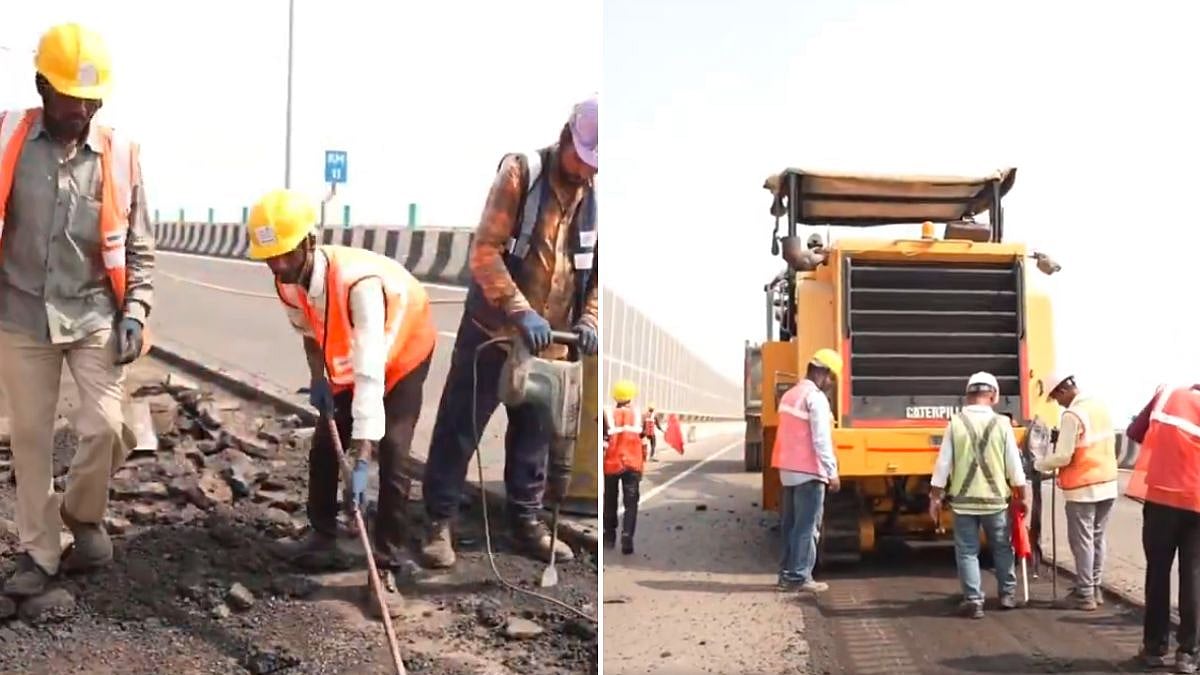
To minimize disruption to traffic during the resurfacing process, MMRDA has announced that the work will be carried out in phases. The authority stated that the third and fourth lanes of the bridge will be resurfaced first. Once these lanes are completed, the remaining two lanes will be addressed. This phased approach aims to maintain traffic flow while ensuring safety and efficiency.
Reasons for Resurfacing
According to MMRDA, the decision to undertake resurfacing was prompted by observations of pavement distress in localized stretches on the Navi Mumbai-bound carriageway, particularly starting at the 10.4 km mark on the outer heavy-vehicle lanes. During the recent monsoon season, temporary repairs were conducted using mastic asphalt to maintain traffic flow and ensure commuter safety. However, with the monsoon season now over, full-fledged resurfacing operations have commenced.
Expert Oversight by IIT Bombay
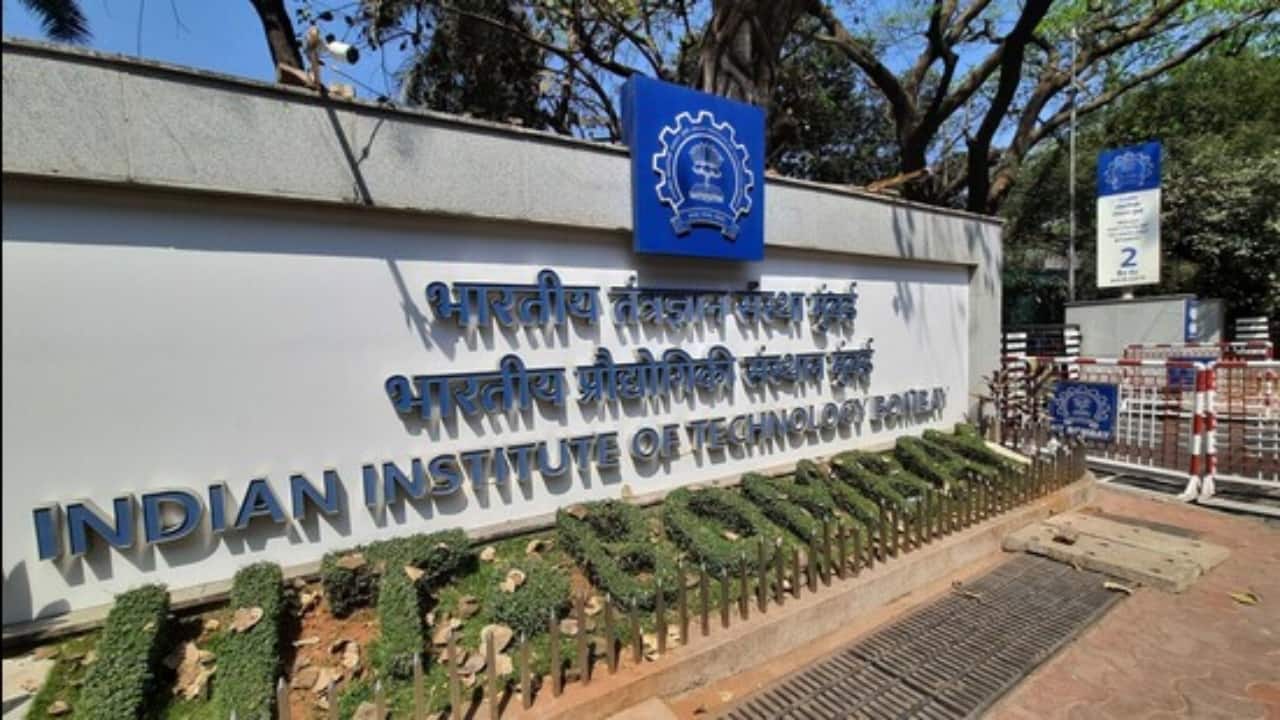
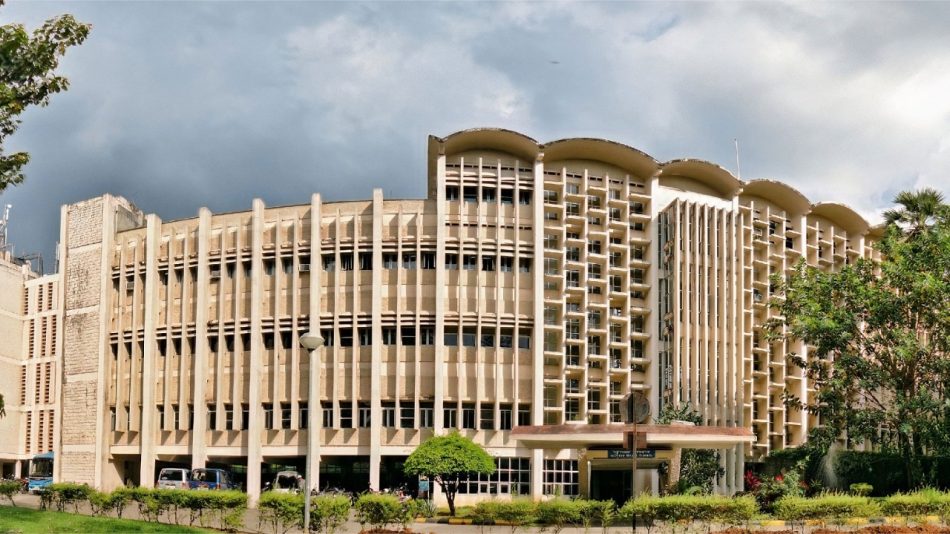
The resurfacing project is being conducted under the expert supervision of the Indian Institute of Technology (IIT) Bombay. The institute is overseeing every stage of the process, which includes:
- Material selection
- Mix design
- Plant-level quality control
- On-site quality control
This rigorous oversight is intended to ensure the long-term performance and quality of the resurfaced areas, thereby enhancing the overall safety and comfort for commuters using the bridge.
Impact on Commuters
The Atal Setu is a vital transportation link for thousands of commuters traveling between Mumbai and Navi Mumbai. By improving the surface quality of the bridge, MMRDA aims to provide a smoother and more reliable driving experience. This project not only focuses on immediate repairs but also emphasizes long-term durability, which is crucial for the heavy traffic that the bridge accommodates daily.
Community Communication
MMRDA has been proactive in communicating with the public about the ongoing works. The authority shared updates via social media platforms, including X (formerly Twitter), to keep commuters informed about the progress and any potential impacts on traffic. This transparency aims to foster understanding and cooperation from the public during the construction period.
Conclusion
The phased resurfacing of the Atal Setu represents a significant investment in the infrastructure of the Mumbai Metropolitan Region. By collaborating with IIT Bombay and implementing a structured approach to the resurfacing process, MMRDA is committed to enhancing the safety, durability, and comfort of one of the region’s most essential transportation links.
Note: This article is based on information available as of November 2025 and aims to provide an overview of the ongoing resurfacing project on Atal Setu.