Navi Mumbai Municipal Corporation seeks IIT-Bombay’s inputs to rework Palm Beach Road underpass to save maximum number of trees
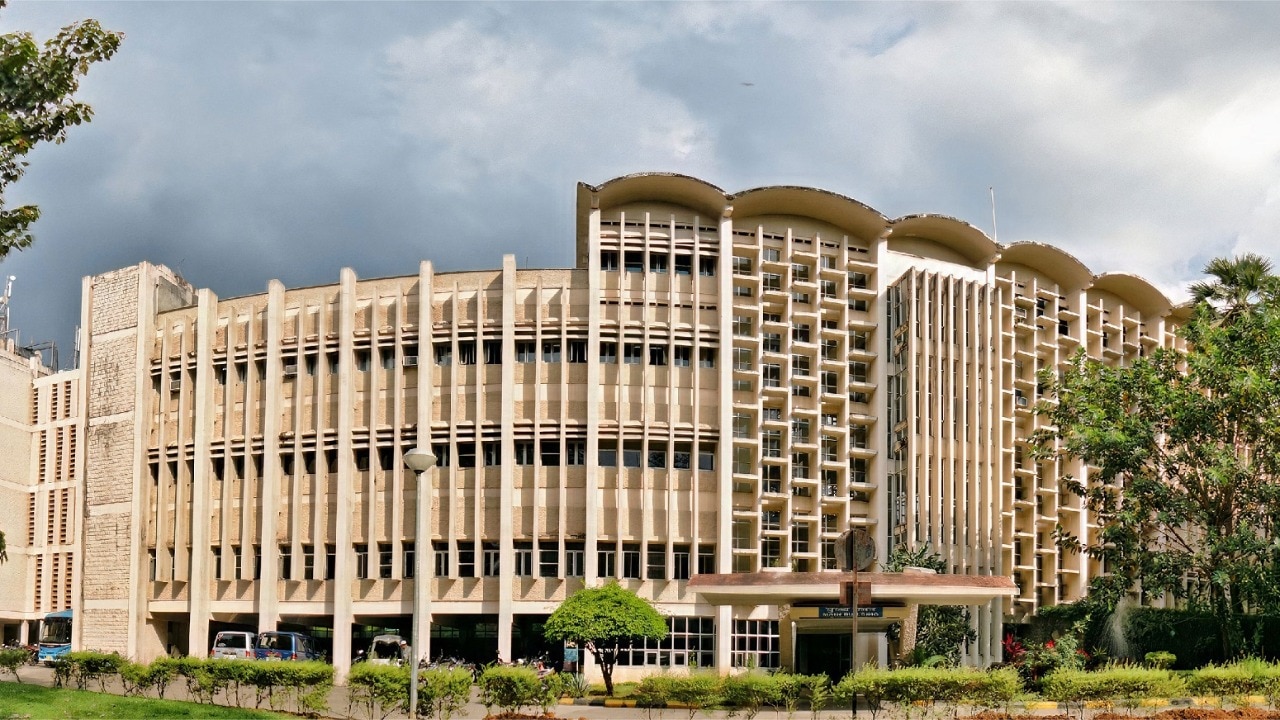
Navi Mumbai: In a significant move aimed at balancing urban development and environmental conservation, the Navi Mumbai Municipal Corporation (NMMC) has reached out to the Indian Institute of Technology Bombay (IIT-B) for technical assistance in revising the design of the Palm Beach Road underpass in Sanpada. This initiative comes in response to public concerns regarding the potential removal of a substantial number of trees along the road.
Background of the Project
The proposed underpass has raised alarms among residents and environmental advocates after the NMMC issued notices indicating that 440 trees along Palm Beach Road were slated for removal or transplantation to accommodate the project. Specifically, 111 trees were marked for felling, while 329 were identified for transplantation.
Current Status of the Project
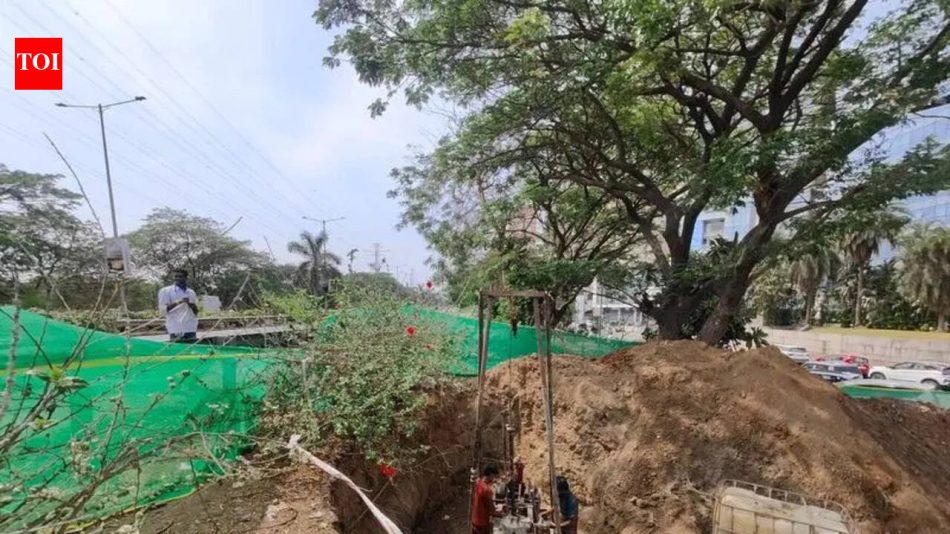
Despite the controversy, the NMMC has commenced preliminary work on the underpass. As part of this initial phase, the civic contractor has begun soil testing, which involves excavation to assess underground utilities such as water pipelines, power lines, telecom cables, and gas pipelines. Notably, two trees have already been cut down near the Kesar Solitaire building as part of this process.
Official Statements
NMMC Commissioner Kailas Shinde emphasized the necessity of the Sanpada underpass project, stating, “The project is essential due to the increasing traffic movement and for the convenience of motorists as part of the city’s infrastructure development.” However, he also acknowledged the importance of preserving the urban green cover, noting that the underpass design has been referred to IIT-B for potential modifications aimed at saving as many trees as possible.
Technical Inputs from IIT-Bombay
The involvement of IIT-B is seen as a positive step towards integrating environmental considerations into urban planning. Anil Patil, NMMC’s deputy engineer for the Turbhe ward, explained that the excavation work for soil testing would reach depths of around nine meters, which is crucial for understanding the site conditions before proceeding with the construction of the underpass.
Community Response
The decision to consult IIT-B has been welcomed by local environmental groups. BN Kumar, director of the NatConnect Foundation, expressed optimism regarding the collaboration, stating that it reflects a growing public sentiment favoring the protection of urban green spaces. He remarked, “With IIT-B now examining options, citizens hope the final underpass design will demonstrate that development and environmental protection can coexist.”
Concerns and Considerations
While the need for improved infrastructure is recognized, community members remain concerned about the environmental impact of the project. Many residents are advocating for measures that would minimize tree loss and promote sustainability. The NMMC has assured the public that it is committed to finding a solution that balances development needs with ecological preservation.
Future Steps
The work order for the Sanpada underpass project is set for a duration of 18 months. As the project progresses, the NMMC plans to keep the public informed about developments and any changes to the design that may arise from IIT-B’s recommendations. The hope is that through collaboration with experts, the project can achieve its goals without compromising the city’s green cover.
Conclusion
The NMMC’s initiative to involve IIT-Bombay in the reworking of the Palm Beach Road underpass design is a commendable step towards ensuring that urban development does not come at the expense of the environment. By prioritizing the preservation of trees and seeking expert advice, the NMMC is demonstrating a commitment to sustainable urban planning that considers both infrastructural needs and ecological responsibilities.
Note: The information in this article is based on the latest available data and public statements as of April 2026. Continued updates will provide further insights into the project’s progress and its environmental implications.