NNRESGI Signs MoU to Establish IIT Madras CODE Chapter for Integrated Degree Pathways
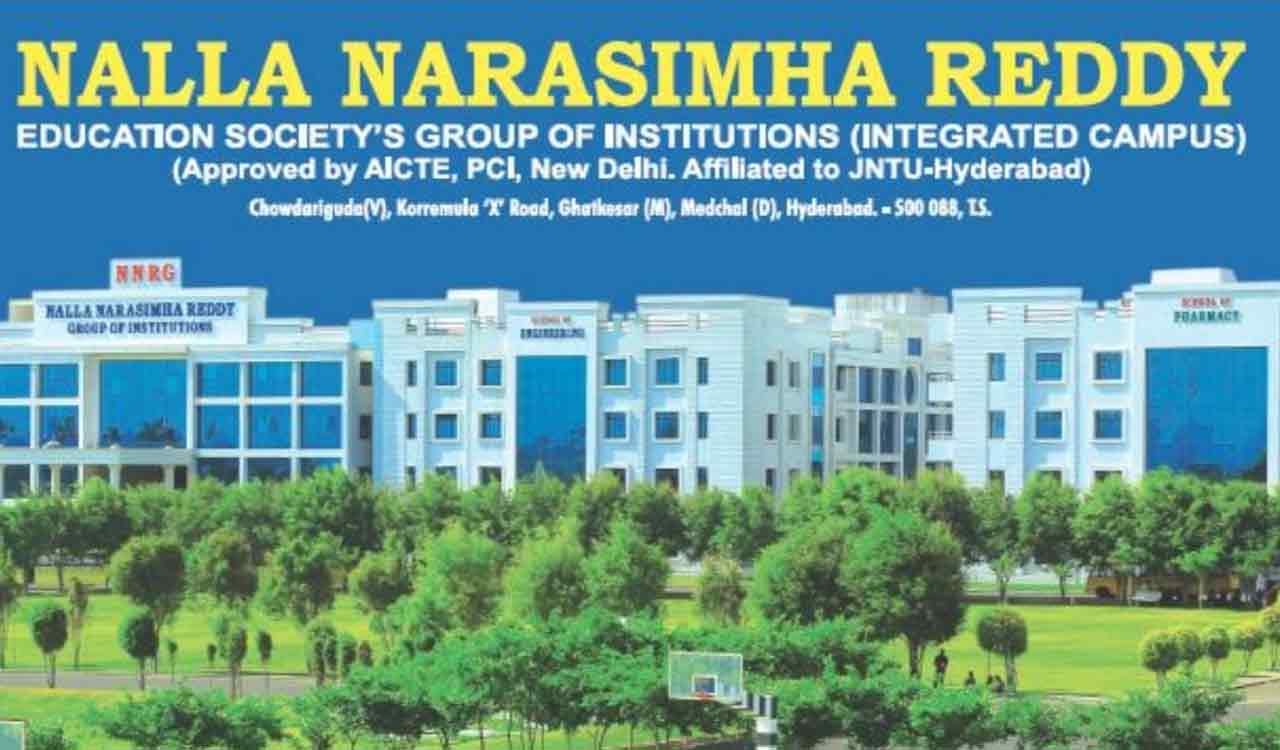
Hyderabad, November 15, 2025 – The Nalla Narasimha Reddy Education Society’s Group of Institutions (NNRESGI) has taken a significant step in enhancing educational opportunities for its students by signing a Memorandum of Understanding (MoU) with the prestigious Indian Institute of Technology (IIT) Madras. This collaboration aims to establish an IIT Madras Centre for Outreach and Digital Education (CODE) Chapter.
Overview of the MoU
The MoU was signed to facilitate the introduction of integrated degree pathways for students at NNRESGI. Through this initiative, students will have the opportunity to pursue IIT Madras’s Bachelor of Science (BS) degrees in Data Science and Applications, Electronic Systems, or Programming concurrently with their regular academic programs.
Benefits of the Collaboration
This collaboration is poised to significantly boost the career prospects of NNRESGI students. By earning a degree from IIT Madras, even through a non-campus format, graduates will enhance their employability and open doors to top companies for internships, apprenticeships, and placements. The IIT Madras degree is highly regarded in the job market, and this initiative is expected to provide students with a competitive edge.
Academic Flexibility
The integration of IIT Madras’s degree programs into the curriculum at NNRESGI allows for greater academic flexibility. Students can now balance their regular coursework with the rigorous training provided by IIT Madras, ensuring a comprehensive educational experience. This unique pathway is designed to cater to the evolving needs of the job market, particularly in fields like Data Science and Electronic Systems.
Quality of Education
The quality of education offered through this collaboration is underscored by the performance of students in national examinations. Many students from IIT Madras have achieved high scores in competitive exams such as the Graduate Aptitude Test in Engineering (GATE), particularly in the fields of Data Science and Artificial Intelligence. This serves as a testament to the robust academic framework that the IIT Madras programs provide.
Key Figures Involved
Dr. C V Krishna Reddy, the Director of NNRESGI, expressed enthusiasm about this landmark collaboration. He emphasized the importance of providing students with opportunities to pursue advanced degrees while still engaging in their regular studies. The initiative is expected to significantly enhance the academic landscape at NNRESGI.
Additionally, the Single Point of Contact (SPOC) for this outreach program, Kemidi Madhavi, who is an Assistant Professor in the Department of Electronics and Communication Engineering (ECE) at NNRESGI, played a pivotal role in facilitating this partnership. Her efforts have been instrumental in bridging the gap between NNRESGI and IIT Madras.
Future Prospects
The establishment of the IIT Madras CODE Chapter at NNRESGI is just the beginning of what is expected to be a fruitful partnership. As the demand for skilled professionals in technology and data-driven fields continues to grow, this initiative positions NNRESGI students at the forefront of educational and career opportunities.
With the integration of IIT Madras’s curriculum, NNRESGI aims to nurture a new generation of professionals equipped with the skills and knowledge necessary to excel in a competitive job market. This collaboration is expected to pave the way for similar partnerships in the future, further enhancing the educational landscape in the region.
Conclusion
The signing of the MoU between NNRESGI and IIT Madras marks a significant milestone in the realm of higher education. By providing students with the opportunity to earn a prestigious degree while continuing their regular studies, this initiative not only enhances academic flexibility but also significantly boosts career prospects. The collaboration is a testament to the commitment of both institutions to foster educational excellence and prepare students for the challenges of the modern workforce.
Note: The information presented in this article is based on the latest updates as of November 15, 2025.