Nvidia's once-tight bond with gamers is cracking over AI, 'and that breaks my heart'
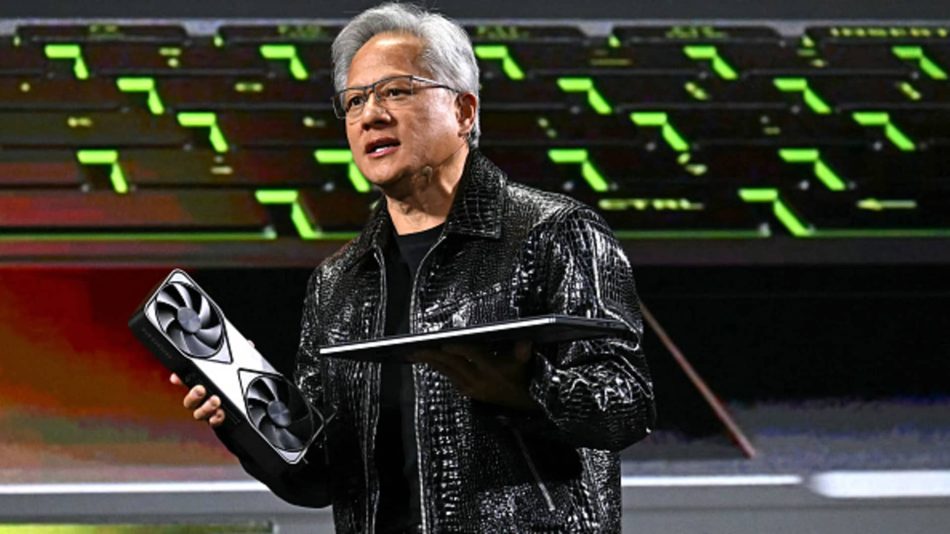
Nvidia, a name synonymous with gaming for decades, is now facing significant backlash from its original fan base as the company shifts its focus towards artificial intelligence (AI). This transition has left many gamers feeling abandoned, leading to concerns about the future of Nvidia’s gaming products.
The Shift in Focus
For the first 30 years of its existence, Nvidia was primarily recognized by gamers. The company revolutionized the gaming industry with its introduction of graphics processing units (GPUs), which enabled high frame rates and exceptional rendering capabilities. The launch of the GeForce 256 in 1999 marked a turning point for Nvidia, helping the company recover from financial difficulties.
However, as demand for AI technology has surged, Nvidia’s revenue has increasingly come from its data center segment, which now constitutes 91.5% of the company’s total earnings. This shift has forced Nvidia to prioritize its more profitable AI-focused products over its traditional gaming GPUs.
Gamers Feel Abandoned
Industry analysts have noted that the gaming segment is no longer the driving force behind Nvidia’s growth. Stacy Rasgon from Bernstein Research stated, “There was one point when it clearly was.” This sentiment is echoed by many in the gaming community, who feel neglected as Nvidia focuses on AI advancements.
Greg Miller, co-founder of the popular podcast Kinda Funny Games Daily, expressed his disappointment, saying, “I understand that they’re going to chase that. And that breaks my heart. Dance with the one who brought you. Gamers have brought you this far.”
Concerns About Future Releases
As Nvidia continues to prioritize AI, there are growing concerns that 2026 may mark the first year in three decades without a new generation of GeForce GPUs. While Nvidia has assured gamers that they remain important to the company, many are skeptical about the future of gaming hardware.
Despite the unveiling of the RTX 50 series at CES in January 2025, there are fears that Nvidia may not release a new generation in 2026. However, some industry insiders believe that the break may benefit gamers financially. Tim Gettys, co-founder of Kinda Funny Games, noted, “It’s kind of hard to keep up. You can’t upgrade every single year, so having a bit of a break… is actually in service of the gamers out there.”
The Rise of AI Profits
Nvidia’s foray into AI began in earnest with the launch of its CUDA software toolkit in 2006, which allowed developers to use GPUs for general-purpose computing. This shift gained momentum in 2012 when Nvidia’s deep learning capabilities were showcased during a prominent image recognition contest, solidifying its position in the AI market.
In 2020, Nvidia signaled its commitment to AI by acquiring high-performance computing chipmaker Mellanox Technologies for $7 billion. Since then, the company has focused on developing high-end GPUs and AI systems, such as the Vera Rubin platform, which is designed for AI workloads.
Market Dynamics and Memory Shortages
One of the significant challenges facing Nvidia’s gaming division is a shortage of dynamic random-access memory (DRAM), which is essential for GPU manufacturing. Reports suggest that Nvidia plans to reduce production of its latest gaming GPUs by up to 40% due to this shortage.
As memory prices rise, the cost of manufacturing GPUs also increases, leading to higher prices for consumers. Gartner predicts a 17% rise in PC prices this year, which could result in a 10.4% decline in PC shipments. This situation raises concerns about the future of entry-level consumer PCs and, consequently, the market for Nvidia’s entry-level gaming GPUs.
Conclusion
The evolving landscape of technology and the prioritization of AI over gaming have left many Nvidia fans feeling abandoned. While the company continues to innovate and release new technologies, the shift in focus raises questions about the future of its gaming products. As Nvidia navigates this transition, it remains to be seen how it will balance the demands of the AI market with the needs of its loyal gaming community.
Note: This article reflects the current state of Nvidia’s relationship with the gaming community and the challenges it faces in balancing AI advancements with its gaming legacy.