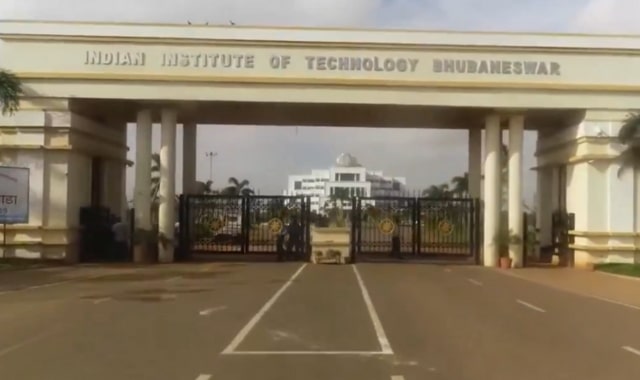
Odisha: IIT Bhubaneswar Signs Agreement for Novel TB Vaccine Technology
Bhubaneswar, November 24, 2025 – In a significant advancement for indigenous tuberculosis (TB) vaccine research, the Indian Institute of Technology (IIT) Bhubaneswar has partnered with the Institute of Life Sciences (ILS) and the National Research Development Corporation (NRDC) to formalize a Quadripartite License Agreement with TechInvention Lifecare Limited. This agreement marks a pivotal step towards the technology transfer and potential commercialization of a promising new vaccine candidate known as the “HSP Subunit Vaccine in Adjuvant (DDA) Against Mycobacterium tuberculosis.”
Background on Tuberculosis
According to the World Health Organization (WHO), tuberculosis remains one of the deadliest infectious diseases globally, claiming approximately 1.23 million lives in 2024 alone. Despite the availability of the Bacillus Calmette Guérin (BCG) vaccine, which was developed over a century ago, its effectiveness is limited. The BCG vaccine primarily offers protection to infants and is largely ineffective in preventing pulmonary TB in adolescents and adults.
The Need for a New Vaccine
The current reliance on the BCG vaccine highlights a critical unmet need for more effective TB vaccines. The newly developed HSP Subunit Vaccine aims to address this gap by providing enhanced protection against Mycobacterium tuberculosis. This next-generation vaccine is designed to elicit strong humoral and cell-mediated immune responses, thereby improving the overall efficacy of existing TB vaccination strategies.
Collaboration and Development
The HSP Subunit Vaccine has been developed through collaborative research led by:
- Prof. Ashis Biswas of IIT Bhubaneswar
- Dr. Sunil Kumar Raghav of ILS, Bhubaneswar
This partnership showcases the strength of India’s research ecosystem and its commitment to addressing pressing public health challenges. The NRDC played a crucial role in identifying and evaluating this innovative technology, facilitating the licensing process to ensure its advancement.
Implications of the Agreement
The Quadripartite License Agreement is expected to pave the way for the vaccine candidate’s progression from laboratory research to product development and eventual commercial deployment. The collaboration with TechInvention Lifecare Limited, the licensed industry partner, is critical in translating this indigenous vaccine technology into a viable public health solution.
Public Health Potential
The HSP Subunit Vaccine candidate represents a significant advancement in the fight against TB in India. The collaborative efforts of IIT Bhubaneswar, ILS, and NRDC reflect a robust commitment to innovation in public health. By enhancing the protective efficacy of the BCG vaccine, this new candidate could lead to better outcomes in TB prevention, particularly in high-burden regions.
Future Directions
As the vaccine progresses through the development phases, several key steps will be essential:
- Clinical Trials: Conducting rigorous clinical trials to evaluate the safety and efficacy of the new vaccine.
- Regulatory Approvals: Navigating the regulatory landscape to obtain necessary approvals for public use.
- Public Awareness: Raising awareness about the new vaccine and its benefits among healthcare professionals and the general public.
- Distribution Strategies: Developing effective distribution strategies to ensure equitable access to the vaccine, especially in underserved communities.
Conclusion
The signing of the Quadripartite License Agreement marks a significant milestone in the quest for a more effective tuberculosis vaccine. By leveraging the strengths of multiple institutions and industry partners, this initiative aims to address one of the most pressing public health challenges of our time. The successful development and deployment of the HSP Subunit Vaccine could potentially save countless lives and significantly reduce the burden of tuberculosis in India and beyond.
Note: The information provided in this article is based on the latest updates and research available as of November 2025.