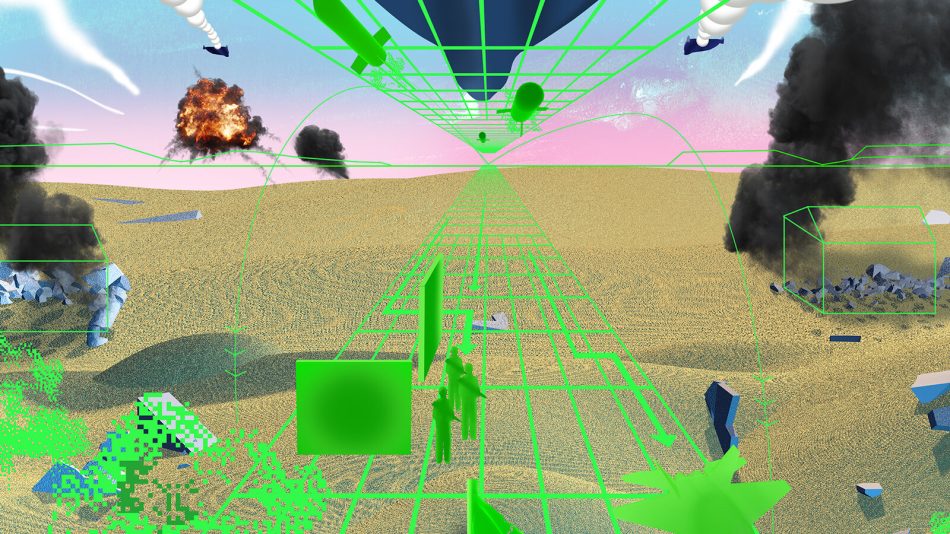
Opinion | Iran Is Ending the Dream of Remote-Controlled War
The concept of remote-controlled warfare has transformed the landscape of modern military engagements. Initially perceived as a means to reduce casualties and minimize risks to personnel, this strategy has faced significant challenges, particularly in the context of Iran’s evolving military capabilities. As the geopolitical landscape shifts, the implications of Iran’s advancements in drone technology and asymmetric warfare strategies are becoming increasingly evident.
The Rise of Remote-Controlled Warfare
In the early 21st century, the United States and its allies embraced the use of drones and other remote-controlled technologies as a cornerstone of their military strategy. This approach allowed for precision strikes against high-value targets while keeping soldiers out of harm’s way. The use of unmanned aerial vehicles (UAVs) became a hallmark of the U.S. military’s operations in regions like Afghanistan and Iraq.
Advantages of Remote-Controlled Warfare
- Reduced Casualties: By utilizing drones, military forces could engage targets without risking the lives of personnel.
- Increased Precision: Advanced targeting systems allowed for more accurate strikes, minimizing collateral damage.
- Real-Time Intelligence: Drones provided live feeds and data, enhancing situational awareness for commanders.
Iran’s Military Strategy Shift
However, Iran’s military strategy has begun to challenge the effectiveness of remote-controlled warfare. The country has invested heavily in developing its own drone capabilities, which are not only used for surveillance but also for offensive operations. This shift indicates a broader trend in which traditional notions of warfare are being redefined.
Iran’s Drone Capabilities
Iran has made significant strides in drone technology, producing a range of UAVs that can carry out various missions. These drones are often equipped with advanced surveillance systems and can be armed with missiles, making them formidable tools in asymmetric warfare. Iran’s drone program has been bolstered by its ability to reverse-engineer technology and collaborate with allied groups, such as Hezbollah.
Regional Implications
The proliferation of Iranian drones has implications beyond its borders. Iran’s support for proxy groups in the region has enabled these entities to utilize drone technology in conflicts, thereby complicating the strategic calculations of its adversaries. Countries like Israel and Saudi Arabia have found themselves increasingly vulnerable to drone attacks, which can be launched from distant locations.
Challenges to Remote-Controlled Warfare
The rise of Iranian drone capabilities poses several challenges to the concept of remote-controlled warfare:
Countermeasures and Vulnerabilities
As adversaries adapt to the use of drones, they are developing countermeasures to mitigate the threat. This includes electronic warfare tactics designed to jam or disrupt drone communications and targeting systems. The effectiveness of remote-controlled warfare is diminished when adversaries can neutralize these technologies.
Escalation of Conflicts
Iran’s use of drones has the potential to escalate conflicts in the region. Traditional military strategies that rely on remote-controlled operations may not be effective against an enemy that employs asymmetric tactics. The unpredictability of drone warfare can lead to rapid escalations, as adversaries may feel compelled to respond to drone strikes with force, resulting in broader conflicts.
The Future of Warfare
The evolution of warfare is a dynamic process, influenced by technological advancements and geopolitical shifts. As Iran continues to refine its military capabilities, the dream of remote-controlled warfare may be fading. The implications of this shift are profound, as they challenge established military doctrines and force countries to reconsider their strategies.
Revisiting Military Strategies
Military planners must take into account the changing landscape of warfare. This includes investing in counter-drone technologies, enhancing cyber capabilities, and rethinking the role of ground forces in an era where remote-controlled operations may no longer guarantee success. The need for a comprehensive approach that integrates various forms of warfare is becoming increasingly clear.
International Response
The international community must also address the challenges posed by the proliferation of drone technology. Diplomatic efforts to regulate the use of drones and establish norms around their deployment are essential to prevent conflicts from escalating further. Collaborative approaches to security that involve multiple nations can help mitigate the risks associated with drone warfare.
Conclusion
As Iran continues to develop its military capabilities, the dream of remote-controlled warfare is being challenged. The rise of drone technology and asymmetric warfare strategies necessitates a reevaluation of military doctrines and international security frameworks. The future of warfare will likely require a more nuanced understanding of the complexities involved, as traditional methods may no longer suffice in the face of evolving threats.
Note: The analysis presented in this article reflects the current trends and developments in military strategy and technology as of October 2023.