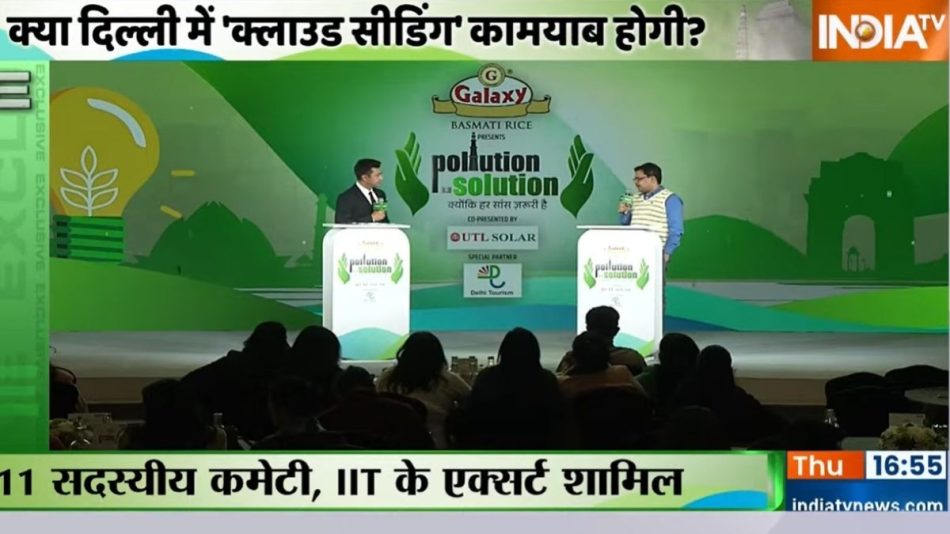
Pollution Ka Solution Conclave: Insights from IIT Professor on Delhi’s Pollution Crisis
In recent years, the alarming levels of pollution in Delhi have sparked numerous discussions and debates about potential solutions. One of the most talked-about methods has been cloud seeding, a process that aims to enhance precipitation and potentially cleanse the atmosphere. However, at the recent Pollution Ka Solution Conclave, an IIT professor expressed skepticism about the viability of cloud seeding as a solution for Delhi’s pollution woes.
Understanding Cloud Seeding
Cloud seeding is a form of weather modification that involves dispersing substances into the atmosphere to encourage precipitation. The most common materials used in cloud seeding include silver iodide, sodium chloride, and other chemicals that can stimulate rain formation. While cloud seeding has been successfully implemented in various regions around the world to increase rainfall, its application in urban pollution control remains contentious.
Professor’s Perspective
During the conclave, the IIT professor highlighted several critical points regarding the ineffectiveness of cloud seeding in addressing Delhi’s pollution crisis:
- Limited Impact on Air Quality: The professor argued that cloud seeding primarily influences weather patterns and precipitation but does not directly tackle the root causes of air pollution, such as vehicular emissions, industrial discharge, and construction dust.
- Environmental Concerns: The use of chemicals in cloud seeding raises environmental concerns. The potential for unintended consequences on local ecosystems and water quality must be considered before implementing such techniques.
- Cost-Effectiveness: The financial implications of cloud seeding operations can be significant. The professor questioned whether the investment in cloud seeding would yield sufficient benefits in terms of improved air quality.
- Alternative Solutions: The professor emphasized the importance of focusing on sustainable and long-term solutions to combat pollution, such as improving public transportation, promoting electric vehicles, and enhancing green spaces in urban areas.
The Reality of Delhi’s Pollution
Delhi has consistently ranked among the most polluted cities in the world. The primary sources of pollution include:
- Vehicular Emissions: With millions of vehicles on the roads, emissions from cars, trucks, and buses contribute significantly to air pollution.
- Industrial Pollution: Factories and power plants in and around Delhi emit large quantities of pollutants, including particulate matter and toxic gases.
- Construction Activities: Ongoing construction projects generate dust and particulate matter, further deteriorating air quality.
- Burning of Biomass and Waste: The practice of burning agricultural residue and waste contributes to seasonal spikes in pollution levels.
Current Measures to Combat Pollution
In response to the pollution crisis, the Delhi government has implemented several measures aimed at improving air quality:
- Odd-Even Rule: This traffic management strategy restricts the use of vehicles based on their registration numbers to reduce congestion and emissions.
- Promotion of Electric Vehicles: Incentives for electric vehicles (EVs) have been introduced to encourage their adoption and reduce reliance on fossil fuel-powered vehicles.
- Green Cover Initiatives: Efforts to increase green spaces through tree planting and the development of parks have been initiated to improve air quality.
- Public Awareness Campaigns: The government has launched campaigns to educate citizens about the importance of reducing pollution and adopting eco-friendly practices.
Community Involvement and Awareness
Addressing pollution in Delhi requires a collective effort from all stakeholders, including government bodies, industries, and citizens. Community involvement plays a crucial role in creating awareness and fostering a culture of environmental responsibility. Some initiatives include:
- Workshops and Seminars: Educational programs aimed at teaching citizens about pollution and its effects can empower individuals to take action.
- Clean-Up Drives: Organizing community clean-up events can help reduce litter and promote a cleaner environment.
- Advocacy Groups: Local NGOs and advocacy groups can mobilize citizens to demand better policies and practices from the government.
Conclusion
While cloud seeding may appear as a quick fix to the pressing issue of pollution in Delhi, experts like the IIT professor emphasize that it is not a sustainable solution. The focus must shift towards comprehensive strategies that address the root causes of pollution through community involvement, government action, and innovative solutions. Only through a concerted effort can Delhi hope to reclaim its air quality and ensure a healthier environment for its residents.
Note: The information presented in this article is based on discussions from the Pollution Ka Solution Conclave and reflects the opinions of experts in the field.