QS Sustainability Rankings 2026: No Indian Institution in Top 200
On November 18, 2025, QS Quacquarelli Symonds, a London-based higher education consultancy, released its QS World University Rankings for Sustainability 2026. This year’s rankings have revealed a concerning trend for Indian higher education institutions, as none have managed to secure a position within the top 200 globally. Despite having 103 universities featured in the rankings, Indian institutions have performed poorly compared to their international counterparts.
India’s Position in the Global Rankings
India ranks fourth in terms of the number of universities included in the QS Sustainability Rankings, trailing behind the United States, China, and the United Kingdom. However, the lack of representation in the top 200 indicates significant challenges faced by Indian universities in achieving sustainability benchmarks.
Top Indian Institutions and Their Rankings
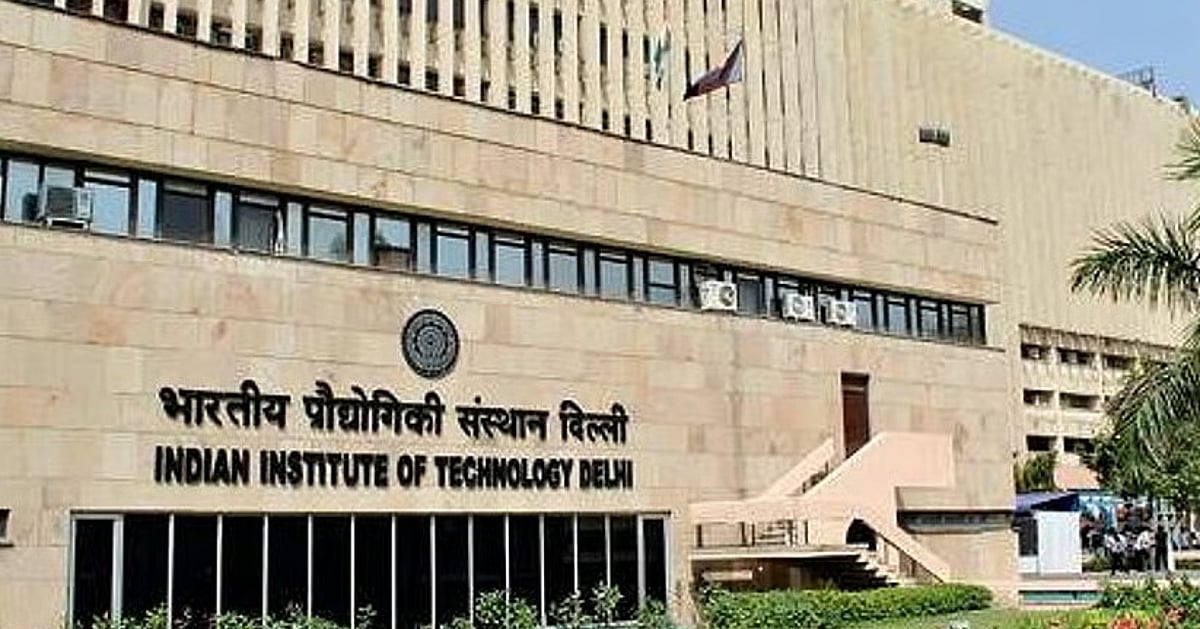
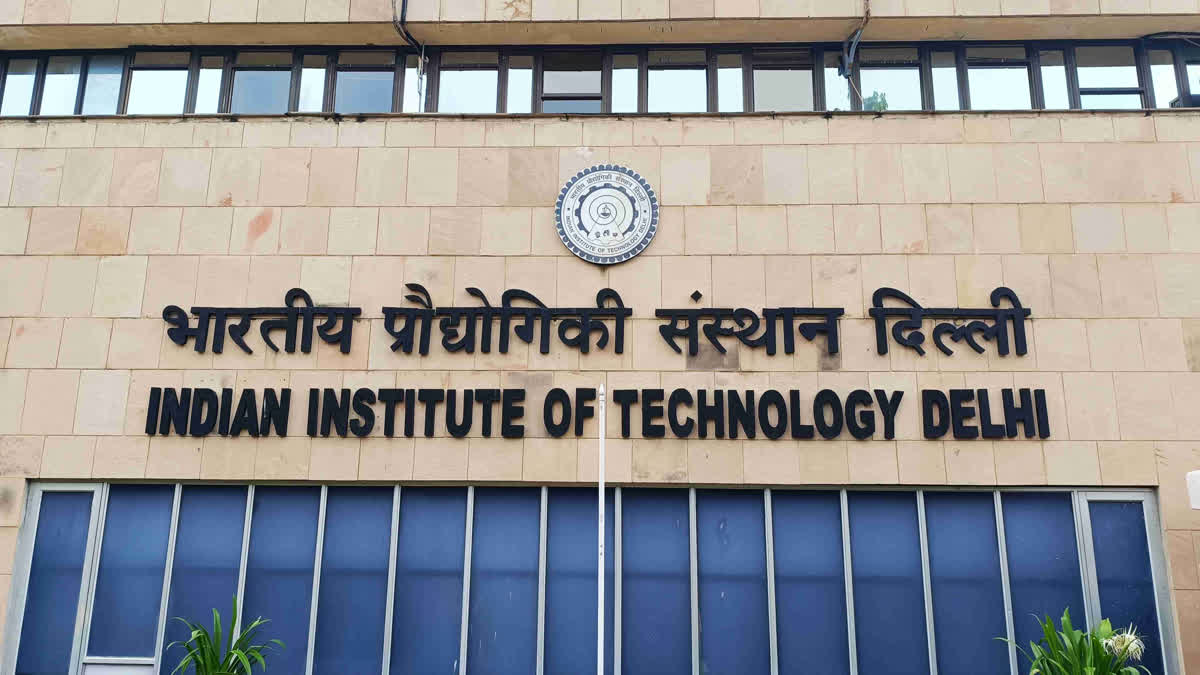
The Indian Institute of Technology, Delhi (IIT Delhi) is the highest-ranked Indian institution in the QS Sustainability Rankings 2026, but it has seen a decline in its position. Here are the rankings of notable Indian universities:
- IIT Delhi: 205th place with an overall score of 83.1
- IIT Bombay: 235th place with a score of 81.4
- IIT Kharagpur: 236th place with a score of 81.3
- IIT Madras: 305th place with a score of 77.3
- IIT Kanpur: 310th place with a score of 78.0
- IIT Roorkee: 352nd place with a score of 74.9
- IIT (BHU) Varanasi: 672nd place with a score of 62.5
- IIT Hyderabad: 792nd place with a score of 58.7
Other institutions such as IIT Gandhinagar and IIT Guwahati also made it to the list, but their specific rankings were not highlighted.
Global Leaders in Sustainability Rankings
In contrast to the performance of Indian universities, several institutions have excelled in the QS Sustainability Rankings 2026. Sweden’s Lund University topped the list with a perfect score of 100. Following closely was the University of Toronto in second place with a score of 99.8, and University College London secured the third position.
Understanding the QS Sustainability Rankings
The QS Sustainability Rankings evaluate universities based on a variety of environmental, social, and governance (ESG) factors. These factors include:
- Research related to sustainable development goals
- Academic reputation in sustainability education
- Alumni impact in the field of sustainability
These criteria are designed to assess how well universities are integrating sustainability into their research, teaching, and community engagement efforts.
Implications for Indian Higher Education
The absence of Indian institutions in the top 200 of the QS Sustainability Rankings raises several questions about the current state of sustainability practices in the country’s higher education sector. The decline in rankings for prominent institutions such as IIT Delhi and IIT Bombay suggests that these universities may need to reevaluate their strategies and initiatives related to sustainability.
Furthermore, the drop in rankings can also impact the global perception of Indian universities, potentially affecting their ability to attract international students and faculty. As sustainability becomes an increasingly important factor in global education, Indian institutions may need to enhance their efforts in this area to remain competitive.
Conclusion
The QS Sustainability Rankings 2026 highlight a critical moment for Indian higher education institutions. With no representation in the top 200, it is essential for Indian universities to focus on improving their sustainability practices and enhancing their global standing. As the world continues to prioritize sustainability, the ability of these institutions to adapt and innovate will be crucial for their future success.
Note: The information presented in this article is based on the QS Sustainability Rankings 2026 released on November 18, 2025, and reflects the current state of Indian higher education institutions in the context of global sustainability efforts.