Researchers Develop a Novel Method to Make Ultra-Strong, Corrosion-Resistant Steel for Extreme Environments
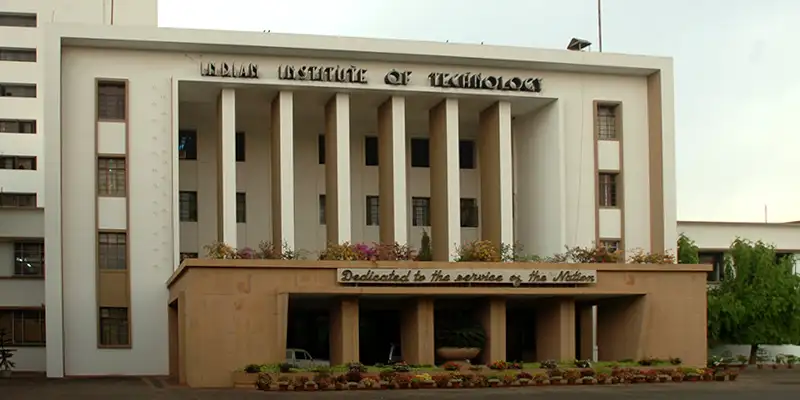
In a groundbreaking study, researchers from the Indian Institute of Technology (IIT) Kharagpur, the Indian Institute of Science (IISc), and the Indian Space Research Organisation (ISRO) have unveiled a novel method for producing ultra-low carbon stainless steel. This innovative material is designed to withstand the harshest environments, including the extreme conditions of space.
The Need for Advanced Steel
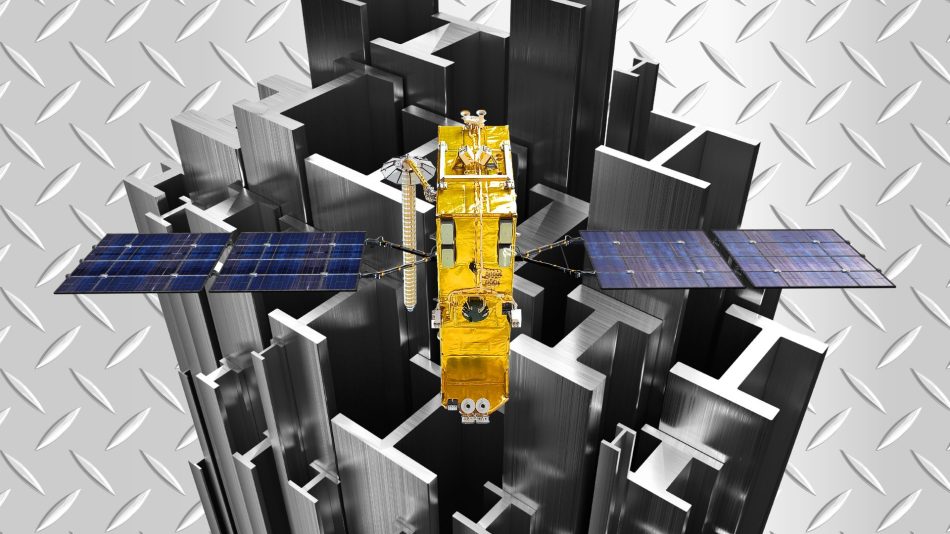
As technology advances, the demand for materials that can perform under extreme conditions has increased significantly. Industries such as aerospace, defense, and satellite technology require materials that are not only strong but also resistant to corrosion. Traditional steels often lack the necessary properties to endure these challenges, leading to the need for innovative solutions.
Understanding the New Steel
The researchers focused on a specific type of steel known as precipitation-hardened martensitic stainless steel. This material is highly valued because it combines the strength of heavy-duty steels, like those used in tanks, with the rust resistance of standard kitchen stainless steel.
Microscopic Evolution
By meticulously controlling the aging temperature of the steel, the team was able to map its microscopic evolution. They subjected the steel to sub-zero treatments at -73 degrees Celsius, followed by aging treatments at temperatures ranging from 482 to 621 degrees Celsius. This controlled approach allowed them to create a material that is both ultra-strong and flexible enough to endure the frigid temperatures of deep space.
Key Features of the New Steel
The novel steel boasts several remarkable features:
- Ultra-Strength: The steel is designed to withstand extreme stress, making it suitable for applications in aerospace and defense.
- Corrosion Resistance: Unlike traditional steels that require toxic coatings for rust resistance, this new steel has built-in corrosion resistance, eliminating the need for hazardous coatings.
- Flexibility: The steel maintains flexibility, preventing brittleness that can lead to failure under stress.
The Role of Microscopic Structures
At the microscopic level, the steel undergoes significant changes during the aging process. Tiny, rod-shaped crystals known as Ni3Ti precipitates form within the metal. These crystals act as microscopic roadblocks, preventing atoms from sliding past one another, which significantly enhances the material’s hardness.
Balancing Hardness and Brittleness
While increased hardness is desirable, excessive hardness can lead to brittleness, causing the material to shatter under stress. To address this, the researchers identified a second microscopic feature called reverted austenite. This softer phase of the metal grows along the boundaries of the steel’s internal structures, providing necessary flexibility.
The TRIP Effect
By carefully tuning the aging temperature to between 510 and 593 degrees Celsius, the researchers achieved a phenomenon known as Transformation-Induced Plasticity (TRIP). This effect allows the softer austenite phase to transform into a harder martensite phase at points of stress, effectively acting as a built-in shock absorber. This transformation absorbs energy and helps to prevent the propagation of cracks.
Temperature and Performance
The study also highlights the importance of temperature management during the aging process. If the aging temperature exceeds 593 degrees Celsius, the beneficial reverted austenite becomes thermally unstable, reverting to a brittle state during cooling. This can significantly reduce the steel’s performance, making it critical for engineers to understand these limits when designing components for rockets and other high-stress applications.
Implications for Future Technology
The development of this ultra-low carbon steel has vast implications for various industries. With its combination of toughness and corrosion resistance, it paves the way for more reliable and long-lasting components. As space exploration expands, the ability to engineer the microscopic properties of steel will ensure that critical machines can withstand extreme conditions.
Conclusion
The research conducted by IIT Kharagpur, IISc, and ISRO represents a significant advancement in material science. By creating a steel that is both ultra-strong and corrosion-resistant without the need for toxic coatings, the team has opened new avenues for innovation in aerospace, defense, and beyond. This novel method not only enhances the performance of materials but also aligns with environmental sustainability goals.
Note: This article is based on the latest research findings and highlights the potential of advanced materials in modern technology.