Robot dogs now read gauges and thermometers using Google Gemini
Introduction
In recent years, advancements in artificial intelligence (AI) and robotics have transformed the way we interact with technology. One of the most exciting developments is the integration of AI into robotic systems, enabling them to perform tasks that were once thought to be the exclusive domain of humans. A notable example of this innovation is the use of AI-powered robotic dogs that can now read gauges and thermometers, thanks to the capabilities of Google Gemini.
What is Google Gemini?
Google Gemini is an advanced AI system developed by Google, designed to enhance machine learning and computer vision capabilities. It utilizes deep learning algorithms to interpret visual data, making it possible for machines to understand and interact with their environment more effectively. Gemini’s ability to process and analyze images allows robotic systems to perform complex tasks such as reading measurements from various instruments.
The Role of Robot Dogs
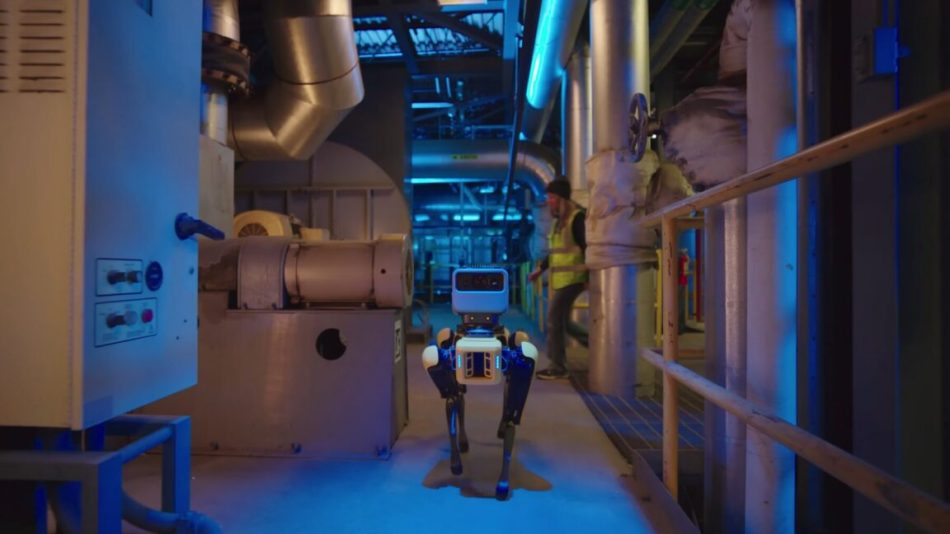
Robot dogs have emerged as versatile tools in various industries, including manufacturing, healthcare, and logistics. These robotic companions are equipped with sensors and cameras that enable them to navigate their surroundings and interact with objects. With the integration of Google Gemini, robot dogs can now interpret visual information from gauges and thermometers, broadening their functionality.
How Robot Dogs Read Gauges and Thermometers
The process of reading gauges and thermometers using robotic dogs involves several key steps:
- Image Capture: The robot dog uses its cameras to capture images of the gauge or thermometer.
- Image Processing: Google Gemini analyzes the captured images to identify the relevant data points, such as needle positions or digital readouts.
- Data Interpretation: The AI interprets the visual data, translating it into readable measurements.
- Data Transmission: The robot dog transmits the interpreted data to a central system or user interface for further analysis.
This process allows for quick and accurate readings, reducing the need for human intervention and minimizing the risk of errors.
Applications of Robot Dogs in Industry
The ability of robot dogs to read gauges and thermometers opens up a range of applications across various sectors:
- Manufacturing: In manufacturing plants, robot dogs can monitor equipment performance by reading temperature gauges and pressure indicators, ensuring optimal operation.
- Healthcare: In hospitals, these robotic assistants can check medical equipment readings, such as blood pressure monitors, providing timely data to healthcare professionals.
- Logistics: In warehouses, robot dogs can monitor environmental conditions by reading thermometers, ensuring that sensitive products are stored at appropriate temperatures.
- Research: In laboratories, robot dogs can assist scientists by reading various gauges and providing data for experiments, enhancing research efficiency.
Benefits of Using Robot Dogs for Reading Gauges
The integration of robot dogs equipped with Google Gemini for reading gauges and thermometers offers several advantages:
- Increased Accuracy: AI-driven readings reduce human error, leading to more accurate data collection.
- Enhanced Efficiency: Robot dogs can operate continuously without fatigue, allowing for constant monitoring of critical equipment.
- Cost Savings: Automating the process of reading gauges can reduce labor costs and minimize downtime caused by equipment failure.
- Improved Safety: Deploying robot dogs in hazardous environments can keep human workers safe from potential dangers.
Challenges and Considerations
While the use of robot dogs for reading gauges and thermometers presents numerous benefits, there are also challenges and considerations to keep in mind:
- Technical Limitations: The effectiveness of robot dogs depends on the quality of their sensors and cameras, which may limit their performance in certain conditions.
- Integration with Existing Systems: Businesses may face challenges in integrating robotic systems with their current infrastructure and workflows.
- Cost of Implementation: The initial investment in robotic technology can be significant, which may deter some organizations from adopting these solutions.
- Data Security: As with any connected device, there are concerns about data privacy and security, particularly in sensitive industries.
The Future of Robot Dogs in Industry
The future of robot dogs equipped with AI capabilities like Google Gemini is promising. As technology continues to advance, we can expect to see:
- Improved AI Algorithms: Ongoing developments in AI will enhance the ability of robot dogs to interpret complex data.
- Greater Autonomy: Future robot dogs may operate with even less human intervention, making decisions based on real-time data analysis.
- Wider Adoption: As costs decrease and technology becomes more accessible, more industries may adopt robotic solutions for monitoring and data collection.
- Integration with IoT: The integration of robot dogs with the Internet of Things (IoT) will enable seamless data sharing and communication between devices.