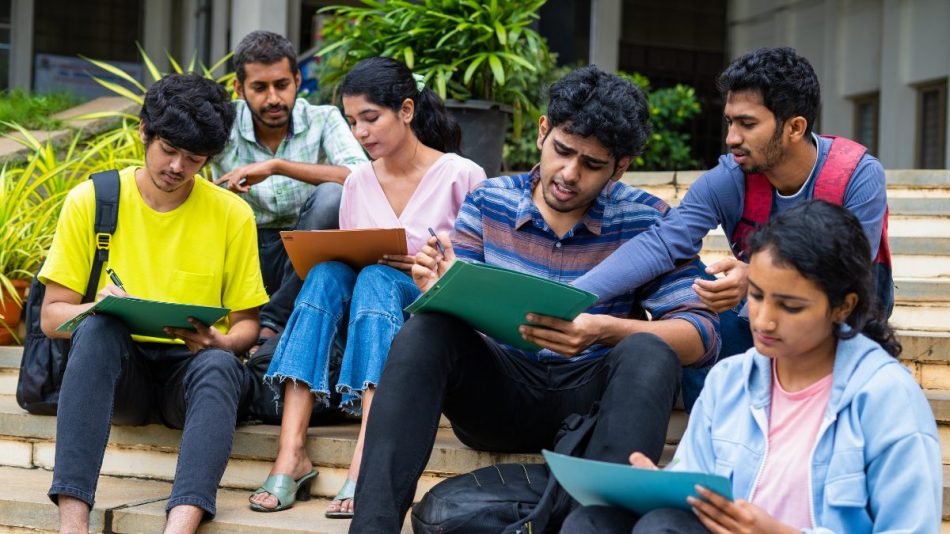
Rosatom & IIT Bombay partner to build India’s next-generation nuclear workforce
In a significant move to bolster India’s nuclear energy sector, Rosatom State Corporation, through its subsidiary JSC Engineering and Technology Center “GET” (ETC GET), has announced a strategic partnership with the Indian Institute of Technology Bombay (IIT Bombay) and ProSIM R&D Pvt Ltd. This collaboration aims to address the increasing demand for skilled professionals in the nuclear energy field by launching a pilot training program specifically designed for nuclear specialists in India.
Overview of the Training Program
The inaugural training session is scheduled to take place from April 15 to 17, 2026, at the IIT Bombay campus. The program will emphasize the use of simulators and digital twin technologies, which are crucial for enhancing practical learning and operational understanding in the nuclear power sector. This initiative is part of a broader effort to fill the growing skills gap in India’s nuclear workforce as the country aims to expand its nuclear energy capacity significantly.
Addressing the Skills Gap
India’s nuclear energy roadmap envisions a substantial increase in installed capacity by the year 2047. To achieve this ambitious goal, the country will require thousands of trained specialists annually. However, the current training infrastructure is only capable of producing a limited number of qualified professionals each year, highlighting a critical shortfall in workforce availability.
This training program is designed to bridge that gap by combining the strengths of various stakeholders:
- ETC GET: Brings extensive experience in simulator and digital twin technologies for nuclear power plants.
- ProSIM R&D Pvt Ltd: Contributes expertise in physics-based modeling and safety analysis.
- IIT Bombay: Provides academic knowledge across nuclear science and engineering disciplines.
Significance of the Initiative
The pilot training program represents more than just an educational initiative; it underscores Rosatom’s commitment to supporting the development of India’s nuclear workforce. An ETC GET representative stated, “Alongside advanced technologies, building the capability to operate nuclear infrastructure safely and efficiently will be essential for the sector’s long-term growth.”
This collaborative effort is expected to attract interest from various stakeholders within India’s nuclear ecosystem, including both public and private sector organizations. It serves as a foundation for further collaboration in training, research, and technology deployment in the nuclear sector.
Future Collaborations
Rosatom’s partnership with IIT Bombay is part of a larger strategy to enhance cooperation with India across the entire nuclear value chain. This includes ongoing projects such as the Kudankulam Nuclear Power Plant and future collaborations on Small Modular Reactors (SMRs). These initiatives are aimed at fostering long-term partnerships in energy, technology, and human resource development.
Conclusion
The collaboration between Rosatom and IIT Bombay marks a pivotal step in preparing India’s next generation of nuclear professionals. As the country aims for a significant expansion in its nuclear energy capabilities, initiatives like this training program will be crucial in ensuring that the workforce is adequately equipped to meet future demands. By leveraging advanced technologies and fostering industry-academic partnerships, India is setting the stage for a robust and sustainable nuclear energy sector.
Note: The information provided in this article is based on the latest updates available as of April 2026.