RSK IITK workshop training to craft jewellery with clay, crochet
In a remarkable initiative aimed at empowering rural artisans and youth, the Ranjit Singh Rozi Shiksha Kendra (RSK) at IIT Kanpur is currently hosting a five-day jewellery-making workshop. This workshop, which commenced on March 16, 2026, has attracted over 70 participants, primarily from local villages.
Workshop Overview
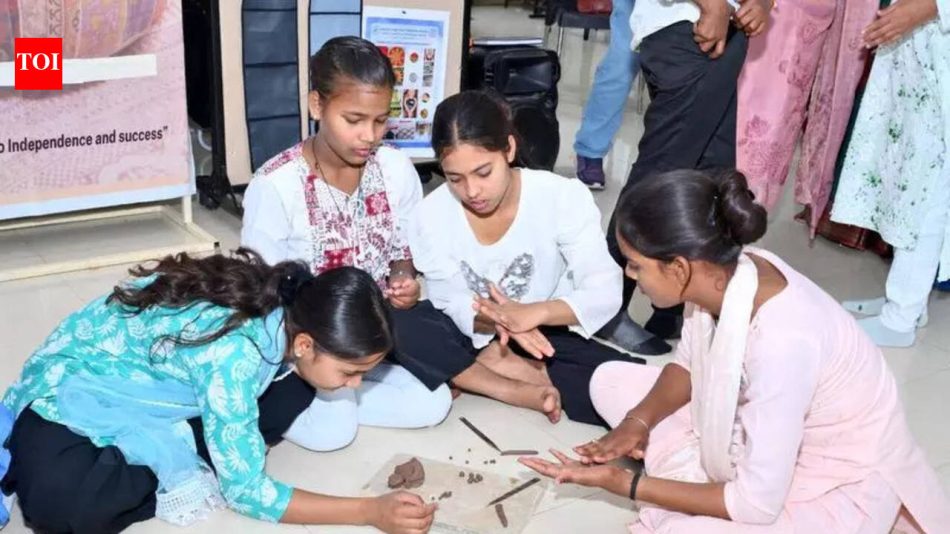
The workshop is divided into two parallel sessions: one focusing on crafting jewellery with clay and the other on creating trendy accessories using threads and crochet techniques. This initiative is a collaborative effort between RSK IITK and renowned artist groups from Gorakhpur, bringing together 34 rural artisans from traditional potter families and students from nearby rural schools.
Goals and Objectives
The primary goal of this workshop is to inspire the new generation of artisans who may be drifting away from traditional crafts. Rita Singh, the project executive officer of RSK, emphasized the importance of introducing these crafts to the participants. She stated, “The trend of the new generation of artisans moving away from a traditional craft has not spared pottery. This workshop aims to introduce crafts that are related to them. The idea is to inspire them, and once they discover the joy of creating and designing, it will stay with them forever and pave the way for earnings.”
Participants and Their Aspirations
The workshop has attracted a diverse group of participants, including:
- Rural women with existing knowledge of crocheting, eager to learn new techniques for creating fashionable thread jewellery.
- Young artisans from potter families looking to enhance their skills in clay jewellery making.
- Students from local schools who are keen to acquire new skills that can lead to potential income opportunities.
Among the participants, 40 rural women are particularly focused on using their crochet skills to create unique jewellery pieces. Many of these women aspire to become budding entrepreneurs, aiming to sell their creations online.
Training and Techniques
Throughout the workshop, participants are learning various techniques and the use of tools and materials essential for jewellery making. One of the trainers, Vandana, noted, “Some women are picking up very well, and I can pair up with them to fetch larger orders.” This collaborative approach not only enhances their skills but also creates opportunities for larger-scale production.
Clay Jewellery Making
Under the guidance of trainer Kalyani Kirti Singh, participants in the clay jewellery workshop are exploring the growing trend of handcrafted jewellery. Singh highlighted the uniqueness of each crafted piece, stating, “Each jewellery set crafted is different and unique.” Her companion, Saroj, added, “People like accessories that are eco-friendly, rooted in tradition, and stylish, and this craft offers it all.”
Crochet Jewellery Making
The crochet workshop is designed to enhance existing skills while introducing new styles and techniques. Participants are encouraged to experiment with various designs, enabling them to create trendy and marketable jewellery. This session is particularly beneficial for women looking to establish their own businesses.
Support and Guidance
Prof. Sandeep Sangal, who heads the centre at IIT Kanpur, expressed the institution’s commitment to facilitating the formation of rural start-ups and micro-enterprises. He stated, “We are on a mission to provide training and design inputs while ensuring convergence with government schemes and marketing guidance.” This holistic approach aims to empower participants not just with skills, but also with the knowledge to navigate the business landscape.
Inauguration and Community Impact
The workshop was inaugurated by chief guest Archna Soni, the principal of Govt Girls Inter College, Singhpur, where many participating girls are enrolled. Other notable attendees included Prof. Archna Singh and Prof. Rashmi Singh from the Department of Home Science at CSA Agriculture University, along with designers associated with the centre. Their presence underscores the collaborative effort to uplift the community through skill development.
Future Prospects
The success of this workshop could pave the way for similar initiatives in the future, focusing on various crafts and skills that can empower rural communities. By fostering creativity and entrepreneurship, RSK IITK aims to create a sustainable model for economic growth in these areas.
Conclusion
The RSK IITK workshop is a significant step towards reviving traditional crafts while providing modern skills to rural artisans and youth. By blending creativity with entrepreneurship, this initiative not only preserves cultural heritage but also opens new avenues for income generation and self-sufficiency.
Note: This article reflects the ongoing efforts to empower rural artisans through skill development and entrepreneurship, showcasing the importance of traditional crafts in modern society.