Rural property cards under Svamitva boost access to financial services: IIM (A) study
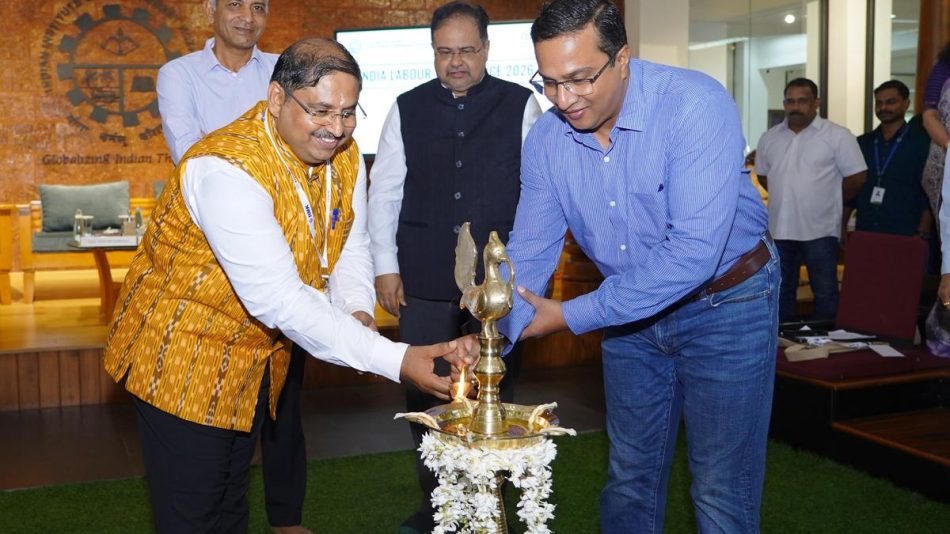
In a significant development for rural financial inclusion, a recent study conducted by the Indian Institute of Management (IIM) Ahmedabad has highlighted the positive impact of the Svamitva scheme. This initiative, which aims to provide property cards to rural households, has facilitated access to formal financial services, enabling property owners to use their land as collateral for loans.
Overview of the Svamitva Scheme
The Svamitva scheme, officially known as the Survey of Villages Abadi and Mapping with Improvised Technology in Village Areas, was launched by the Government of India. Its primary objective is to provide property titles to rural households, thereby enhancing land ownership security and facilitating economic development.
Key Findings from the IIM Study
The IIM Ahmedabad study reveals that over 30 million rural property cards have been issued under the Svamitva scheme, significantly boosting access to financial services. The study indicates that:
- Approximately 10,913 loans, totaling ₹1,679 crore, have been sanctioned using Svamitva property cards as collateral.
- These loans have been utilized by property title holders for various purposes, including purchasing vehicles, expanding businesses, and renovating homes.
- The overall credit uptake in states like Gujarat, Maharashtra, and Madhya Pradesh has increased by an average of 6.5%.
- In Maharashtra, where 37 lakh property titles have been distributed, credit offtake surged by 15% to 16%.
Economic Impact of Property Cards
The introduction of property cards has also had a notable impact on local economies. For instance, in Maharashtra, the distribution of property cards has led to:
- A 4.71% increase in Gram Panchayat property tax revenue, amounting to ₹10,284 per Gram Panchayat annually.
- A 7.57% rise in other local taxes, translating to ₹5,566 per Gram Panchayat.
Land Formalization and Its Benefits
The study further emphasizes the importance of land formalization. It reports that registered mutations on residential parcels in Madhya Pradesh have grown by 6.2% annually, while agricultural parcel mutations have declined by 4.87%. This trend indicates a reduction in informal land conversions and clearer property boundaries, which are essential for effective land management.
Future Goals of the Svamitva Scheme
To enhance the monetization of rural properties, the government aims to provide property titles to 40 million rural families across 3.46 lakh villages by September 2027. Key states that have generated a significant number of property cards include:
- Uttar Pradesh: 1.11 crore cards
- Madhya Pradesh: 67.33 lakh cards
- Haryana: 25.15 lakh cards
- Gujarat: 17.65 lakh cards
- Karnataka: 10.58 lakh cards
Challenges and Exclusions
While the Svamitva scheme has made significant strides, it does not cover certain regions. States like Tamil Nadu, Bihar, Jharkhand, and West Bengal are excluded due to their pre-existing land records. Additionally, tribal regions and panchayats under the Panchayats (Extension to Scheduled Areas) Act (PESA) are not included, as land in these areas is often jointly owned by communities.
Innovative Mapping Techniques
The implementation of the Svamitva scheme incorporates advanced technology, particularly drone-based surveys, which enable high-precision mapping of properties. This method ensures accurate boundary identification and involves the consent and participation of property owners for delineating property boundaries.
Implementation and Collaboration
The Svamitva scheme is being executed by the Ministry of Panchayati Raj in collaboration with state revenue and panchayati raj departments. The Survey of India has played a crucial role in providing property titles to over 3.14 crore individuals across 1.89 lakh villages. The total area surveyed under the Svamitva scheme covers over 3 lakh villages, amounting to 67,000 square kilometers, with an intrinsic value exceeding ₹135 lakh crore.
Conclusion
The Svamitva scheme represents a transformative approach to rural land management and financial inclusion. By providing property titles, it not only enhances the security of land ownership but also opens up new avenues for economic development in rural areas. The findings from the IIM Ahmedabad study underscore the importance of such initiatives in fostering financial access and stimulating local economies.
Note: The information provided in this article is based on the latest findings from the IIM Ahmedabad study and reflects the status of the Svamitva scheme as of May 2026.