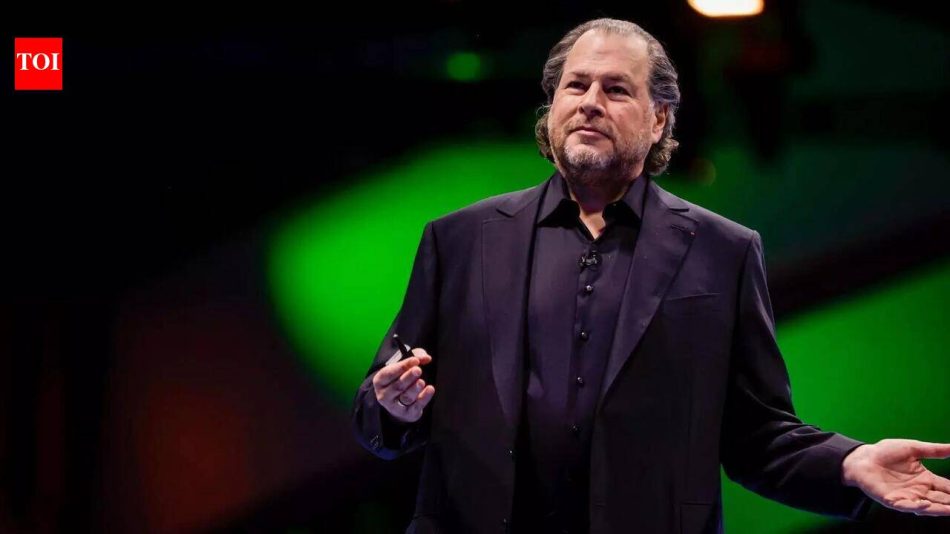
Salesforce CEO Marc Benioff on AI layoffs: Most people don't really understand what is going on, it is…
In a recent discussion, Salesforce CEO Marc Benioff addressed the ongoing narrative surrounding artificial intelligence (AI) and its impact on job layoffs in the tech industry. He argues that the situation is being oversimplified and misinterpreted by many observers.
Understanding the Layoff Narrative
Benioff contends that the portrayal of AI as the primary driver of mass white-collar layoffs is a misconception. He believes that this narrative is a “lazy way out” for some CEOs who are looking for easy explanations for their workforce reductions. Instead, he suggests that there are multiple factors at play, including:
- Excessive costs that companies incurred during rapid growth.
- Financial commitments related to data centers.
- Genuine restructuring due to AI advancements.
According to Benioff, conflating these distinct issues into a single narrative is a mistake that misleads stakeholders and the public alike.
Salesforce’s Approach to Hiring
While many tech companies are cutting jobs, Salesforce is taking a different approach. Benioff has committed to hiring 20% more salespeople, emphasizing the importance of human connection in business transactions. He stated, “AI doesn’t have a soul. It’s not that human connectivity.” This belief underpins his strategy to expand Salesforce’s sales force, even as other departments may see a reduction in headcount.
Current Workforce Statistics
Salesforce currently employs over 83,000 people, marking a record high for the company. A significant portion of this workforce is dedicated to assisting customers in utilizing Salesforce’s products effectively. Benioff’s goal is to increase the number of account executives to nearly 20,000 this year, driven by increasing demand from small, medium, and large customers.
Critique of Other Companies’ Layoff Strategies
Benioff’s comments were particularly pointed regarding other tech companies that have framed their layoffs as necessary adjustments for an AI-driven future. For instance, he responded to Jack Dorsey’s decision to cut about 4,000 employees at Block, which represented roughly 40% of its workforce. Dorsey characterized these cuts as part of an AI-era restructuring, but Benioff was skeptical of this framing.
He noted that Block had grown rapidly from 4,000 employees in 2019 to nearly 13,000 by the end of 2023, indicating that the layoffs might be more about the company’s overextension rather than a strategic pivot to AI.
Industry Trends and Observations
Benioff’s insights resonate with observations made by others in the industry. OpenAI CEO Sam Altman acknowledged earlier this year that some companies are using AI as a scapegoat for layoffs that they would have made regardless of technological advancements. Analyst Dan Dolev from Mizuho Americas also pointed out that many layoffs at Block were likely not due to AI but rather a result of the company’s rapid growth and subsequent restructuring needs.
Future of Work in the Tech Industry
As the tech industry continues to evolve, Benioff emphasizes the need for transparency from CEOs regarding the reasons behind layoffs. He believes that leaders should be honest about the challenges their companies face, even if it means facing criticism. “You’re gonna take bullets no matter what because that’s your role as CEO,” he remarked. This perspective encourages accountability and a more nuanced understanding of the changing landscape of employment in the tech sector.
Conclusion
In summary, Marc Benioff’s views on AI and layoffs challenge the prevailing narrative that blames technology for job losses. Instead, he advocates for a more comprehensive analysis of the factors influencing workforce changes in the tech industry. By focusing on human connections and the unique value that employees bring to business, Salesforce is positioning itself for growth even amidst broader industry challenges.
Note: This article reflects the views and insights of Salesforce CEO Marc Benioff regarding the current state of AI and employment in the tech industry.