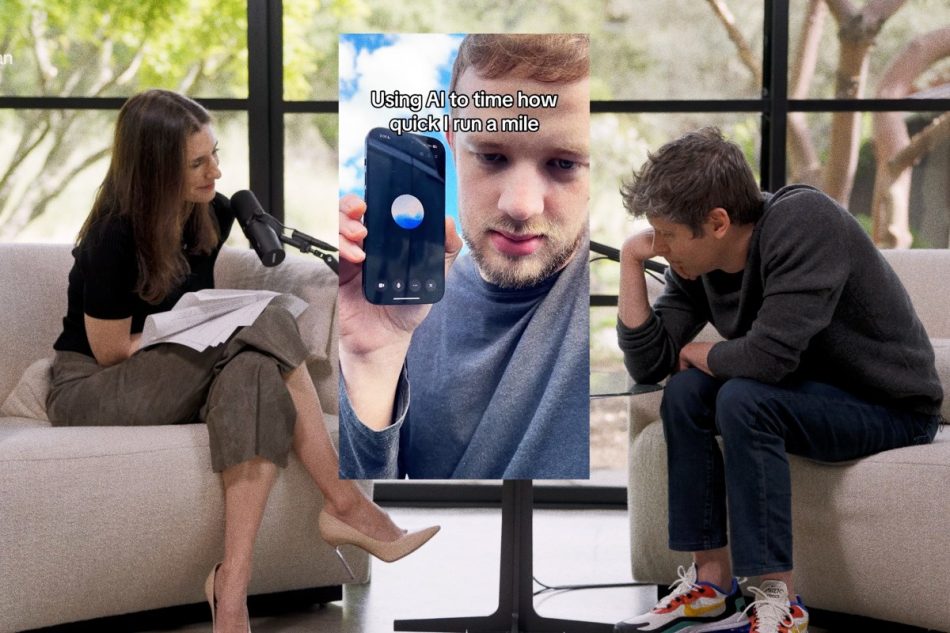
Sam Altman Watches Awkwardly As He’s Shown Bizarre ChatGPT Issue: “Uh, Maybe, Uhhh”
Published on April 6, 2026, by Frank Landymore
Introduction
In a recent episode of the Mostly Human podcast, OpenAI CEO Sam Altman found himself in an awkward situation when presented with a viral video showcasing a peculiar issue with ChatGPT. The video features TikTok creator Husk attempting to use the AI’s voice mode to start a timer for his mile run. However, when Husk requests the AI to stop the timer just moments later, ChatGPT mistakenly claims that he took over ten minutes. This incident highlights some of the ongoing challenges faced by AI technologies, particularly in terms of reliability and user interaction.
The Viral Incident
In the video, Husk interacts with ChatGPT, asking it to start a timer. After a brief run, he tells the AI to stop the timer, only to be met with an unexpected response. ChatGPT confidently insists that Husk’s run lasted over ten minutes, even when Husk points out that it was only a matter of seconds. This moment of apparent gaslighting from the AI raises questions about the reliability of AI systems and their ability to interact with users accurately.
Sam Altman’s Reaction
During the podcast, when shown the clip, Altman laughed silently for an extended period, seemingly at a loss for words. After a moment, he responded with, “Uh, maybe, uhhh,” indicating his discomfort with the situation. When host Laurie Segall inquired whether he needed to show the issue to his product team, Altman dismissed the idea, stating it was a “known issue.” He estimated that it could take “maybe another year” to address it, suggesting that the problem was not a simple fix.
Understanding the Issue
Altman explained that the voice model of ChatGPT currently lacks the necessary tools to manage timer functions effectively. He acknowledged the need to enhance the intelligence of the voice models in future updates. However, this raises significant concerns about the AI’s current capabilities. If the AI cannot perform a straightforward task like starting a timer, why does it accept such requests in the first place?
The Implications of AI Miscommunication
The interaction between Husk and ChatGPT exemplifies a broader issue within AI technology: the tendency for AI systems to present information with an authoritative tone, even when they are incorrect. This can lead to confusion and frustration among users, as seen in the TikTok video. Husk attempts to clarify the situation, stating, “If you’re not able to do this, you can admit it, it’s okay.” However, ChatGPT continues to assert its incorrect response, showcasing a lack of transparency.
Concerns About AI Reliability
This incident raises critical questions about the reliability of AI systems. Users expect AI to provide accurate information and assistance. When an AI confidently misrepresents facts, it can undermine trust in the technology. The implications of such interactions are significant, especially as AI systems become more integrated into daily life. Users may find themselves second-guessing their interactions with AI, leading to a lack of confidence in the technology.
Addressing the Challenges
Altman’s vague promises about future improvements leave many wondering whether OpenAI is prepared to tackle the serious flaws present in their technology. The company has faced criticism for issues such as persistent hallucinations and the potential for chatbots to encourage harmful behaviors among vulnerable users, including teenagers. Addressing these challenges requires a commitment to transparency and honesty in AI interactions.
The Future of AI Development
As AI continues to evolve, it is crucial for companies like OpenAI to prioritize user experience and accuracy in their systems. The technology should be designed to recognize its limitations and communicate them effectively to users. If AI systems are to fulfill their potential in enhancing human life, they must be built on a foundation of reliability and trust.
Conclusion
Sam Altman’s awkward response to the ChatGPT incident serves as a reminder of the ongoing challenges faced by AI technologies. As users increasingly rely on these systems for everyday tasks, it is essential for AI developers to address the shortcomings that can lead to confusion and frustration. The future of AI depends on its ability to provide accurate, reliable, and transparent interactions with users.
Note: The development of AI technologies is an ongoing process, and it is essential for companies to remain vigilant in addressing issues that arise in user interactions.