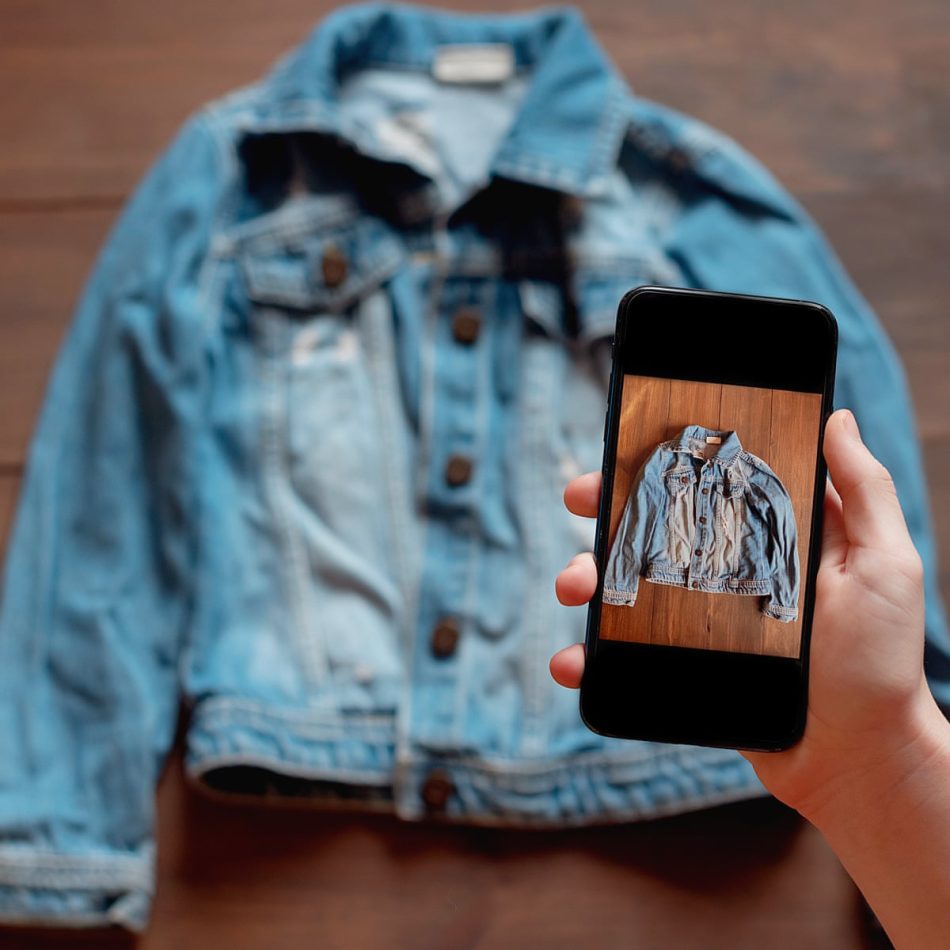
Secondhand clothes sales forecast to hit 9bn as AI helps shoppers find deals
In recent years, the secondhand clothing market has experienced remarkable growth, with sales projected to reach $289 billion (£217 billion) in 2026. This surge is attributed to the increasing popularity of online resale platforms and the integration of artificial intelligence (AI) in helping consumers locate the items they desire.
Market Growth and Projections
According to ThredUp’s annual resale report, which utilizes research from market analysts GlobalData, the secondhand clothing market is expected to grow by 12% this year alone. Over the next five years, it is anticipated to expand at an average annual rate of 9%, ultimately reaching a staggering $393 billion. This growth rate is projected to be double that of the overall clothing market.
Rise of Resale Platforms
The success of platforms such as Vinted, Depop, Vestige, and ThredUp has played a crucial role in this expansion. In 2021, the secondhand market was valued at approximately $141 billion, less than half of the expected total for 2026. The increasing acceptance and demand for secondhand items have prompted well-known brands like Dr Martens, Zara, and Mulberry to sell their own pre-owned items or refurbish used clothing.
Market Share and Sales Growth
James Reinhart, co-founder and CEO of ThredUp, noted that resale now accounts for one-tenth of global clothing sales. The U.S. secondhand market grew nearly four times faster than the broader market in 2025. Sales figures from various platforms highlight this trend:
- ThredUp reported a 20% increase in sales, reaching $310.8 million last year.
- Depop’s sales soared by 42%, amounting to £101 million.
- Vinted’s sales rose by 36%, totaling €813.4 million (£710 million) in 2024.
Challenges in Profitability
Despite the booming sales, many resale platforms have struggled to achieve profitability. ThredUp faced a pre-tax loss of $20 million, while Depop reported a £42 million loss. In contrast, Vinted was one of the few platforms to turn a profit, earning €76.7 million in 2024. Additionally, Depop was sold to eBay by its former owner, Etsy, indicating the challenges faced by these platforms in sustaining their business models.
Impact of Economic Factors
The current economic climate, marked by inflation and rising energy prices due to geopolitical conflicts, may further drive consumers toward secondhand shopping. Reinhart suggested that as prices for new clothing rise, more shoppers might seek affordable alternatives in the resale market to obtain the brands they desire without overspending.
The Role of AI in Resale
AI has emerged as a transformative force in the secondhand clothing market, enabling online platforms to efficiently sort through vast inventories and catalog items for potential buyers. Reinhart compared this technological advancement to the years spent by companies like Netflix and Spotify developing algorithms to personalize user experiences. He emphasized that AI can deliver similar results almost instantly, significantly enhancing the shopping experience.
Reducing Friction in the Buying Process
AI technology is also playing a vital role in minimizing the barriers between discovering an item on social media and completing a purchase. Reinhart stated that the next phase of market growth will depend on platforms’ ability to unlock supply and connect inventory with the next generation of shoppers. This demographic, primarily consisting of Generation Z and millennials aged 14 to 45, is expected to drive 70% of market growth.
Future Outlook for the Secondhand Market
Neil Saunders, GlobalData’s managing director, highlighted the need for the infrastructure of discovery to evolve within the social media feeds where younger consumers spend their time. He noted that the global secondhand market is entering a more competitive and structurally complex phase, requiring innovative technology to facilitate easier selling and ensure sufficient stock to meet growing demand.
Conclusion
The secondhand clothing market is poised for significant growth in the coming years, driven by technological advancements, changing consumer behaviors, and economic factors. As AI continues to enhance the shopping experience and more brands embrace resale, the industry is likely to see an increasing shift towards sustainable fashion choices.
Note: The information presented in this article is based on data available up to October 2023 and may be subject to change as new trends and developments emerge in the retail industry.