
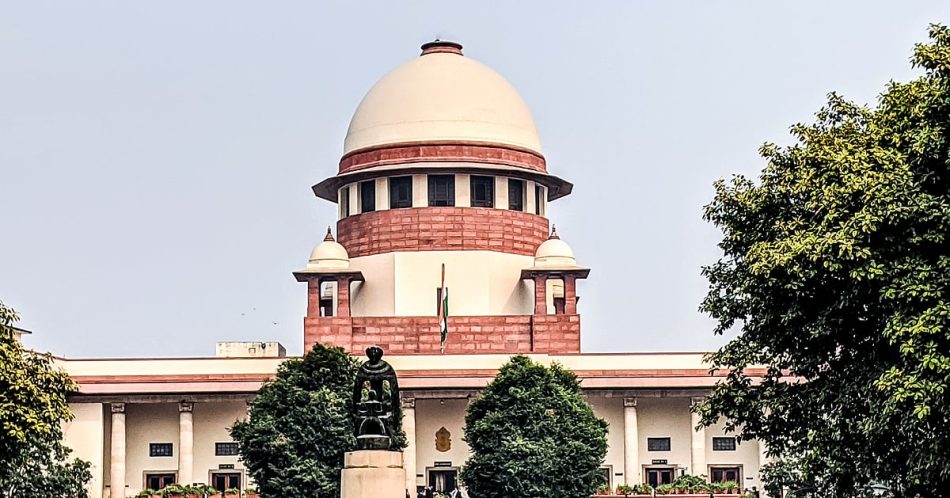
Supreme Court Upholds Cancellation of Plot for IIT Patna
In a landmark decision, the Supreme Court of India has upheld the cancellation of a plot of land in Patna that was originally designated for the establishment of the Indian Institute of Technology (IIT). This ruling emphasizes the importance of public interest over private commercial interests, affirming the government’s commitment to education and development.
Background of the Case
The case arose when the Bihar government allocated a specific plot of land for the establishment of IIT Patna. However, the allocation faced challenges from private developers who sought to utilize the land for commercial purposes. The Supreme Court’s ruling has significant implications, as it reinforces the idea that educational institutions like IITs serve a greater purpose than mere commercial development.
Significance of IITs in India
The Indian Institutes of Technology (IITs) are among the most prestigious engineering institutions in India, playing a crucial role in shaping the future of technology and innovation in the country. Here are some key points highlighting their importance:
- Educational Excellence: IITs are known for their rigorous academic programs and high standards of education, attracting top talent from across the nation.
- Research and Development: These institutions contribute significantly to research and development in various fields, fostering innovation and technological advancement.
- Societal Impact: IITs not only educate individuals but also contribute to societal development by addressing real-world problems through research and community engagement.
- Economic Growth: By producing skilled engineers and technologists, IITs play a vital role in driving economic growth and enhancing India’s global competitiveness.
The Supreme Court’s Rationale
In its ruling, the Supreme Court emphasized that the establishment of IIT Patna was in the public interest. The court pointed out that educational institutions cater to a large number of students and are essential for the development of individuals, society, and the nation as a whole. The judges noted that prioritizing commercial interests over educational needs would be detrimental to the country’s progress.
Public Response to the Ruling
The Supreme Court’s decision has been met with widespread approval from various sectors of society. Educationalists, students, and the general public have expressed their support for the ruling, viewing it as a victory for public interest and educational advancement. Many believe that the decision will set a precedent for future cases involving land allocation for educational purposes.
Implications for Future Educational Projects
This ruling could have far-reaching implications for future educational projects in India. It sends a clear message that the government prioritizes the establishment and expansion of educational institutions over private commercial interests. Here are some potential impacts:
- Encouragement for New Institutions: The ruling may encourage the establishment of more IITs and other educational institutions across the country, particularly in underserved areas.
- Strengthening of Public Policy: Policymakers may be motivated to create more supportive frameworks for educational institutions, ensuring they receive the necessary resources and land allocations.
- Enhanced Collaboration: The decision may foster collaboration between government bodies and educational institutions, leading to better planning and execution of educational projects.
- Focus on Quality Education: With a strengthened commitment to education, there may be a renewed focus on improving the quality of education in India, ensuring that institutions meet global standards.
Conclusion
The Supreme Court’s ruling to uphold the cancellation of the plot for IIT Patna serves as a pivotal moment in India’s educational landscape. By prioritizing public interest over private commercial interests, the court has reinforced the significance of educational institutions in national development. This decision not only supports the establishment of IIT Patna but also paves the way for future educational initiatives that can benefit society as a whole.
Note: This article reflects the events and implications surrounding the Supreme Court’s ruling as of January 2026. For ongoing updates and developments, please refer to reliable news sources.


