
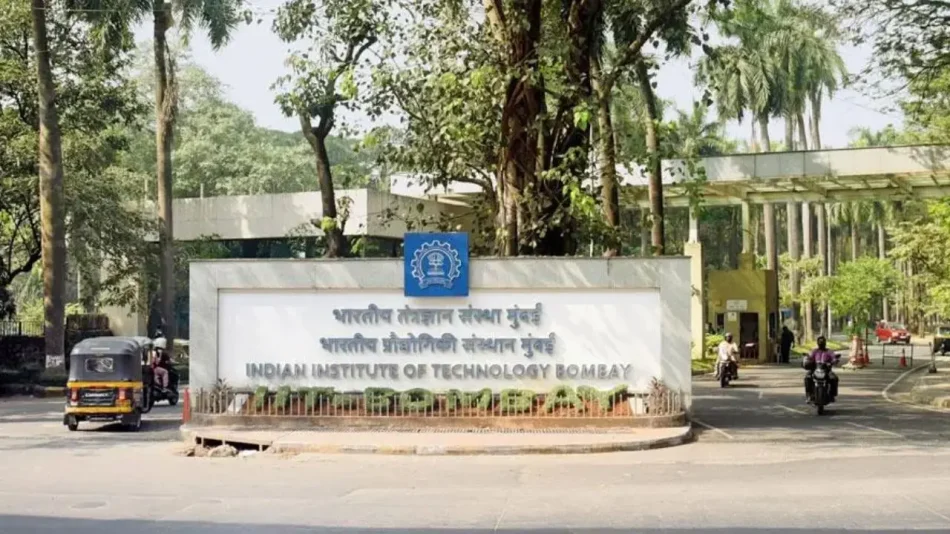
Thane woman duped of Rs 12.5 lakh in fake IIT Bombay admission scam
In a troubling incident that highlights the growing issue of fraud in educational admissions, a woman from Thane has been allegedly cheated out of Rs 12.5 lakh by a man who posed as an Indian Revenue Service (IRS) officer. The accused promised her that he could secure admission for her son into the prestigious Indian Institute of Technology (IIT) Bombay.
The Incident
The incident came to light when the victim, a 45-year-old woman residing in the Diva area of Thane, approached the local police to file a complaint. According to police reports, the accused lived in the same housing complex as the victim and had initially gained her trust by claiming to have significant influence within various government departments.
Details of the Scam
Over a period of time in 2023, the accused managed to convince the woman to part with a total of Rs 12,50,000. He assured her that he had the necessary connections to facilitate her son’s admission into IIT Bombay. The woman, believing in his false promises, transferred the money to him in several installments.
Realization of Fraud
As the days passed and the promised admission did not materialize, the woman began to grow suspicious. When she confronted the accused, he provided evasive answers, further raising her doubts. Eventually, it became clear to her that she had been duped. Following this realization, she decided to take action and reported the matter to the police.
Legal Action
Upon receiving her complaint, the Mumbra Police registered a First Information Report (FIR) against the accused on Monday. The charges include cheating, forgery, and impersonation. The police are currently investigating the matter to apprehend the fraudster and bring him to justice.
Similar Cases of Fraud
This incident is not isolated. In a separate case, a temple priest from Vikhroli was allegedly duped of Rs 84 lakh in a fake flat deal related to a redevelopment project in Bhandup. This case involved multiple individuals, including a developer, his associate, and bank officials, who were accused of orchestrating a complex scheme to defraud the priest.
How the Flat Deal Scam Worked
- The accused built credibility through a bank-sanctioned home loan.
- They selectively verified documents and concealed prior transfers of development rights.
- Large sums of money were routed through multiple accounts to obscure the fraudulent activities.
Exposing the Fraud
The fraud was eventually exposed when a civil dispute was filed in 2023 by the original stakeholders of the project. Investigations revealed that the flat in question belonged to an original member and that the development rights had been transferred years earlier, which the accused had concealed.
Preventive Measures Against Fraud
As these incidents demonstrate, it is crucial for individuals to be vigilant and cautious, especially when dealing with matters related to education and real estate. Here are some preventive measures that can be taken:
- Verify Credentials: Always check the credentials of individuals claiming to have influence or connections in educational institutions or real estate.
- Be Skeptical of Promises: If an offer seems too good to be true, it probably is. Be wary of promises that guarantee admission or ownership without proper documentation.
- Consult Authorities: Before making any financial transactions, consult with official sources or legal advisors to ensure the legitimacy of the offer.
- Report Suspicious Activities: If you suspect fraud, report it to the authorities immediately to prevent further victimization.
Conclusion
The case of the Thane woman serves as a stark reminder of the risks associated with educational fraud. As individuals seek opportunities for their children, it is essential to remain vigilant and informed to avoid falling prey to such scams. The police are actively working to catch the perpetrator in this case, and it is hoped that justice will be served.
Note: Always exercise caution and conduct thorough research before engaging in any financial dealings, especially those involving education and property.


