‘Uber for nurses’: gig-work apps lobby to deregulate healthcare, report finds
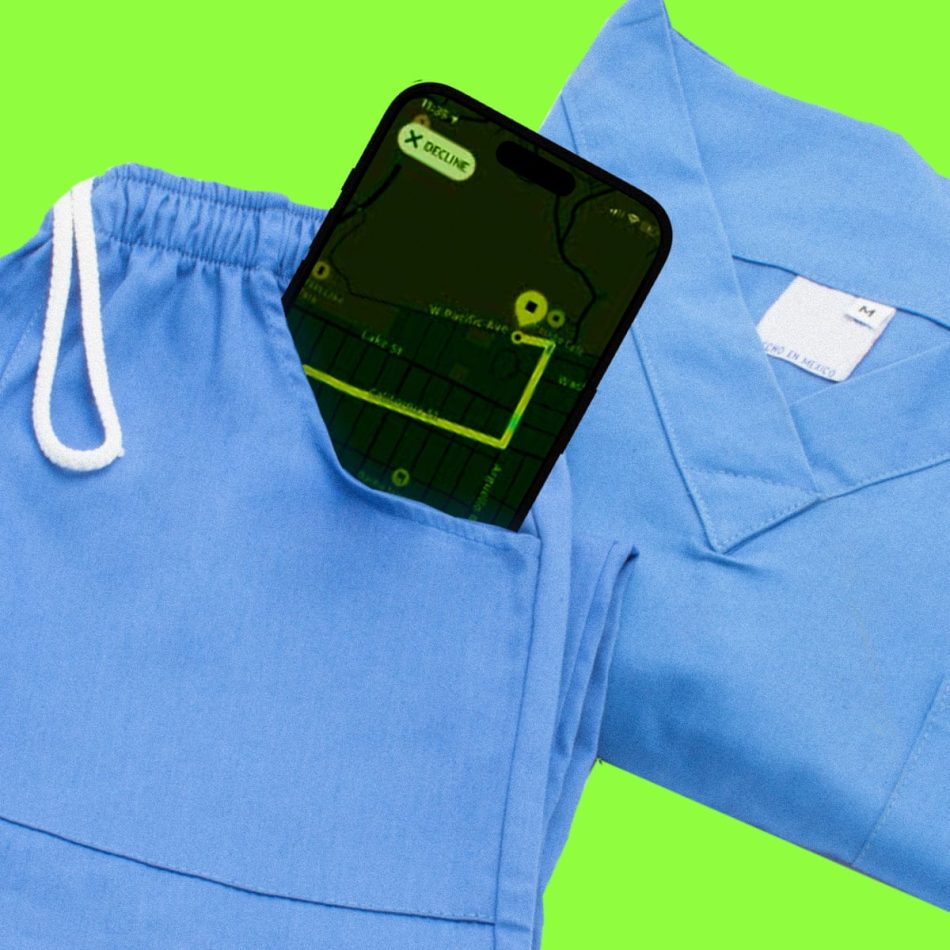
In a recent report published by the AI Now Institute, the growing influence of gig-work applications in the healthcare sector has been highlighted, particularly those dubbed the “Uber for nursing.” This report sheds light on how these platforms are lobbying for deregulation, which could have significant implications for healthcare workers and the quality of care provided to patients.
The Rise of Gig Nursing Platforms
Gig nursing platforms have emerged as billion-dollar entities, with three major companies reaching valuations of over $1 billion. These platforms have attracted substantial investments from private equity firms and have secured contracts with government agencies, including staffing public facilities like Immigration and Customs Enforcement (ICE) detention centers.
The report indicates that these platforms utilize artificial intelligence (AI) to manage staffing in hospitals and healthcare facilities. By leveraging AI, these companies can set pay rates, monitor performance metrics, and determine the future availability and pay of nurses based on their performance data.
Impact on Workers’ Rights and Protections
One of the most alarming findings of the report is the negative impact that these gig platforms have on workers’ rights, protections, and pay. The model allows nurses to bid on work shifts, with the lowest bid winning the position. This creates a competitive environment where nurses may feel pressured to accept lower wages to secure shifts.
Dr. Katie J. Wells, a co-author of the report, expressed concern over the implications of this model. She stated, “AI is incorporated into all these human management software systems, and for nurses that means dropping them into all kinds of places, without orientation, without workers’ comp, without any way to protect themselves if they’re sick and they need to cancel.”
Disciplinary Point Systems
Furthermore, platforms like Clipboard Health employ disciplinary point systems that penalize nurses for canceling shifts or arriving late. Nurses can lose points for cancellations, with more points deducted for providing less notice. This system can create an environment of fear and anxiety among gig workers, further undermining their rights and job security.
Legislative Lobbying Efforts
Since 2022, at least 17 states have introduced bills aimed at exempting gig nursing platforms from the regulations that apply to traditional healthcare staffing agencies. The report details how lobbying efforts have successfully advanced exemption bills in states such as Colorado, Illinois, Iowa, Louisiana, Minnesota, Missouri, Nevada, and Rhode Island.
Additionally, these gig platforms have lobbied for policies that would exempt them from worker protection laws in states like Georgia, Ohio, California, Pennsylvania, Missouri, and Wisconsin. Currently, platforms are already exempt from certain worker protections in West Virginia and unemployment insurance laws in Louisiana.
Comparison to Ride-Share Companies
The report draws parallels between the lobbying efforts of gig nursing platforms and those of ride-share companies, which have historically sought to avoid regulation as traditional transportation services. Dr. Wells emphasized the urgency of protecting healthcare from what she perceives as an aggressive attack on worker rights and public safety.
“I’m really hoping that we can protect healthcare from what I fear is a sort of more aggressive attack,” she remarked. “They’ve made such headway in so many places about pushing back worker protections, but also public safety concerns and in patient wellbeing.”
Federal Level Lobbying
At the federal level, these gig nursing platforms are pushing for legislation that would facilitate the growth of independent work. This includes proposals to allow gig platforms to be contracted by the government for emergencies and to indemnify them from liability for patient injuries.
In contrast, New York state has taken a different approach, passing a law in 2025 that mandates gig platforms to comply with state regulations for healthcare staffing agencies. This law aims to ensure that workers in the gig economy receive the same protections as their traditionally employed counterparts.
Concerns for the Future
The report raises significant concerns about the future of nursing jobs if the gig model continues to gain acceptance. Dr. Wells noted, “There’s a huge concern that if this model continues to gain acceptance or carve-outs, a lot of jobs could go this way.”
As the conversation around AI and gig work evolves, it is crucial to consider not only the potential for job replacement but also the degradation of existing jobs and the erosion of protections for workers.
Conclusion
The rise of gig-work applications in the healthcare sector presents a complex challenge. While these platforms offer flexibility and opportunities for nurses, they also pose significant risks to workers’ rights and patient care. As lobbying efforts continue to push for deregulation, it is essential for lawmakers and stakeholders to carefully consider the implications of these changes on the healthcare workforce and the quality of care provided to patients.
Note: This article is based on a report from the AI Now Institute and reflects the current state of gig-work applications in healthcare as of April 2026.