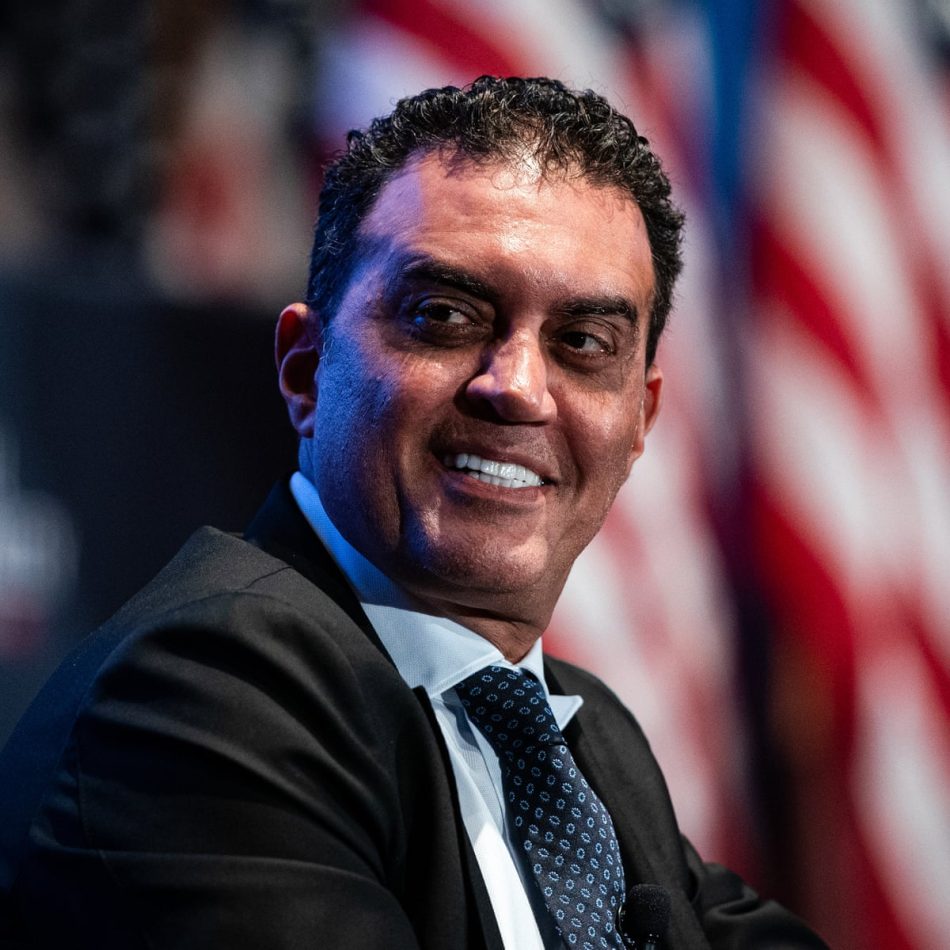
US defense official overseeing AI reaped millions selling xAI stock after Pentagon entered agreement with company
A high-profile official within the US Department of Defense, overseeing artificial intelligence initiatives, has reportedly made a profit of up to $24 million from the sale of stock in Elon Musk’s AI company, xAI. This transaction has raised significant ethical concerns, particularly regarding potential conflicts of interest within the government.
Background on Emil Michael
Emil Michael serves as the Pentagon’s Under Secretary for Research and Engineering, a position he was appointed to during the Trump administration. His role involves overseeing negotiations with various AI companies and advocating for the rapid integration of artificial intelligence within the defense sector.
Michael’s connection to xAI is noteworthy. When he joined the Department of Defense, his stake in the company was valued between $500,000 and $1 million. However, he sold this stock on January 9, 2026, for a reported amount between $5 million and $25 million, indicating a staggering increase in value of between 400% and 4,800%.
Details of the Transaction
According to government ethics records released in April 2026, Michael’s financial disclosures reveal that he held his xAI shares through a company called KQ Partners. The exact circumstances surrounding how Michael acquired these shares, including their pricing and the identity of the buyer, remain unclear, as xAI is not a publicly traded company.
During the time Michael owned the xAI stock, the Pentagon entered into two agreements with the company. In July 2025, xAI’s Grok chatbot was selected as one of four commercial providers to assist the Department of Defense in utilizing artificial intelligence technologies. Subsequently, on December 22, 2025, the Pentagon announced a new agreement with xAI, further solidifying the company’s role in the military’s AI initiatives.
Ethical Concerns and Legal Implications
The timing of Michael’s stock sale and the Pentagon’s agreements with xAI has raised eyebrows among ethics experts. Richard Painter, a former ethics lawyer for President George W. Bush, emphasized that federal law prohibits government officials from engaging in actions that could benefit their financial interests. Painter stated, “It sounds pretty weird… There is no way that a decent ethics lawyer would let a [defense department] official hold on to AI stock while he’s involved in AI matters.”
In December 2025, Michael received a divestiture certificate from the Office of Government Ethics (OGE), which mandated the sale of his xAI stock to comply with conflict of interest laws. Despite this, he did not sell his holdings until January 9, 2026, just days after the Pentagon’s announcement of its new agreement with xAI.
Defense Department’s Response
The Pentagon has not provided detailed responses to inquiries regarding Michael’s stock transactions. However, a statement attributed to spokesperson Sean Parnell asserted that the Department of War maintains a rigorous ethics framework, including financial disclosure reviews and divestitures where appropriate. Parnell emphasized that Michael was “in full compliance with all ethics laws and regulations,” dismissing claims to the contrary as false.
Michael’s Role and Controversies
Since his appointment, Emil Michael has become a prominent figure in the Pentagon’s push for AI integration. He has been vocal in disputes with AI contractors, notably with Anthropic, a firm that has raised concerns about the ethical use of AI technologies. In an unusual move for a defense official, Michael publicly criticized the CEO of Anthropic on social media, calling him a “liar” and questioning his integrity.
Michael’s close ties to Elon Musk have also drawn attention. Before his appointment, he had a successful career in business, including a notable position as Chief Business Officer at Uber. His relationship with Musk has been publicly acknowledged, and Musk had previously expressed support for Michael in the context of a potential appointment to a different government position.
Conclusion
The situation surrounding Emil Michael’s financial dealings raises significant questions about ethics and governance within the US Department of Defense. As the military increasingly integrates artificial intelligence into its operations, the need for transparency and accountability in such transactions becomes paramount. The implications of Michael’s actions could have lasting effects on public trust in government officials and their financial dealings.
Note: This article is based on information available as of October 2023 and aims to provide a comprehensive overview of the ethical concerns related to Emil Michael’s stock transactions in relation to the Pentagon’s agreements with xAI.