US man pleads guilty to defrauding music streamers out of millions using AI
A North Carolina man has pleaded guilty to a significant case of fraud involving music streaming platforms, marking one of the first successful prosecutions of AI-related fraud in the music industry. Michael Smith, 52, was charged after he flooded various streaming services with thousands of AI-generated songs and used automated bots to artificially inflate the number of streams to billions.
Details of the Case
On March 21, 2026, Smith entered a guilty plea in a federal court in New York’s southern district to conspiracy to commit wire fraud. According to US attorney Jay Clayton, Smith’s actions resulted in the generation of thousands of fake songs that were streamed billions of times, leading to substantial financial losses for legitimate artists and rights holders.
The Fraudulent Scheme
Smith’s scheme involved creating AI-generated music and utilizing bot farms to boost the number of streams artificially. Between 2017 and 2024, he reportedly amassed as many as 661,440 streams daily, resulting in annual royalties exceeding $1 million. In total, he fraudulently obtained more than $10 million in royalty payments.
Impact on the Music Industry
The implications of Smith’s actions extend beyond individual artists. The music industry, which had largely recovered from the piracy issues of the early 2000s, now faces a new threat from AI-generated music. This type of fraud diverts funds from genuine musicians and songwriters, further complicating an already challenging landscape for artists who depend on streaming revenue.
Legal Consequences
As part of his plea agreement, Smith faces a potential prison sentence of up to five years and the forfeiture of $8,091,843.64. His case has garnered attention as it highlights the growing issue of AI-related fraud in the music business, which is increasingly threatened by fake music that can overwhelm streaming platforms.
Industry Reactions
Commentators on social media have expressed concern over the implications of Smith’s actions. One user remarked that Smith had effectively created both the music and the audience, generating significant income from songs that no human actually listened to. This situation raises alarms about the authenticity of streams and the potential for further exploitation in the industry.
Challenges for Legitimate Artists
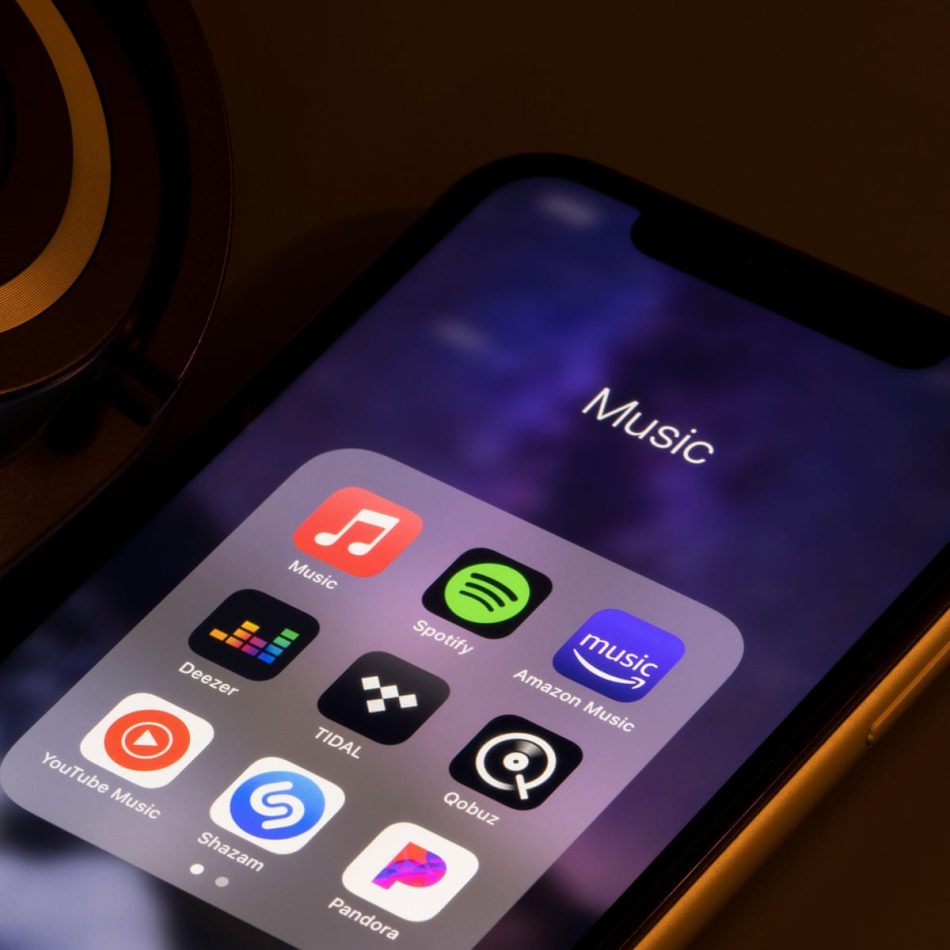
The rise of AI-generated music poses a significant challenge for independent and legitimate artists. Streaming platforms such as Spotify, Apple Music, and YouTube Music operate on a model that compensates musicians based on the number of streams. However, with the influx of AI-generated content, the revenue that should go to real artists is being siphoned off, leading to concerns about the sustainability of music careers.
Recent Developments in AI Music
In recent months, the music industry has seen a surge in AI-generated content. For instance, the French streaming service Deezer reported that it receives approximately 60,000 fully AI-generated tracks daily. Additionally, the US trade publication Billboard noted that a company called Suno generates around 7 million songs each day, equating to an entire streamer’s catalog of music every two weeks.
Government and Industry Response
The UK government recently abandoned plans to allow AI companies to use copyrighted works without permission, a proposal that faced significant opposition from artists, including notable names like Elton John and Paul McCartney. This backlash highlights the growing concern among musicians regarding the potential for AI to undermine their rights and livelihoods.
Future of Music and AI
As the debate over AI-generated music continues, industry leaders are grappling with the implications for the future of music creation. Paul Sinclair, CEO of Suno, expressed his internal conflict over the issue, emphasizing the need to balance innovation with the preservation of artistic integrity. He stated, “This s–t is complicated … I want to make sure there’s whole future generations of the beauty of art and music and the ability to build careers around it.”
Conclusion
The case of Michael Smith serves as a cautionary tale for the music industry as it navigates the complexities of AI technology and its impact on creativity and revenue. As the landscape of music streaming evolves, it is imperative for artists, industry stakeholders, and regulators to work together to address the challenges posed by AI-generated content and ensure that the rights of legitimate musicians are protected.
Note: This article is based on information available as of March 2026 and reflects ongoing developments in the music industry regarding AI and streaming services.