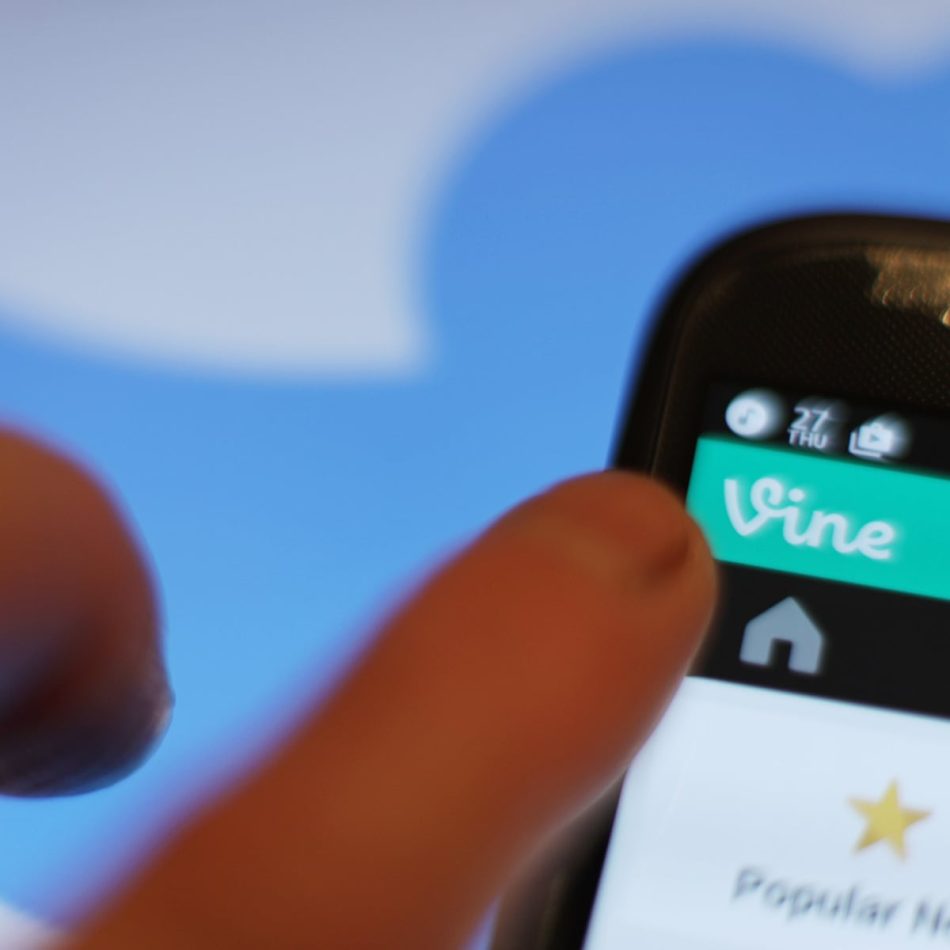
Vine video-sharing app is back – and battling AI slop
The Vine video-sharing app, once a pioneer of short-form video content, is making a comeback under the new name Divine. This revival is spearheaded by Jack Dorsey, co-founder of Twitter, who aims to create a platform that emphasizes human creativity over the increasing prevalence of AI-generated content.
A Brief History of Vine
Launched in 2013, Vine allowed users to create and share looping six-second videos. It quickly gained popularity, reaching 100 million monthly active users at its peak. The platform was instrumental in launching the careers of numerous influencers and comedians, including Logan Paul and many others who became internet sensations through their creative content.
Vine was acquired by Twitter shortly after its inception, but the platform struggled to find a sustainable business model. In 2017, it was officially shut down, much to the dismay of its dedicated user base. The app’s closure marked the end of an era for short-form video content, but its impact on social media and internet culture remains significant.
The Return of Vine as Divine
Fast forward to 2026, and the Vine name is being revived with a new vision. Under the name Divine, the app has relaunched and is now available in app stores. The new platform aims to host 500,000 videos from the original Vine app while allowing users to create new content that adheres to the traditional six-second limit. However, there is a crucial twist: all new content must be created by humans, with no AI-generated material allowed.
Philosophy Behind Divine
The philosophy of Divine is clear: “Creative power belongs in human hands.” This mantra is a response to the growing concern over low-quality AI-generated content, often referred to as “AI slop.” Recent research indicates that over 20% of videos shown to new users on platforms like YouTube are AI-generated, leading to a call for a return to authentic, human-created content.
Leadership and Vision
Evan Henshaw-Plath, known online as Rabble, is at the forefront of this initiative. A former Twitter employee, Henshaw-Plath initially launched Divine as a personal project to preserve the creative spirit of the original Vine. He expressed his desire to reconnect users with a time when the internet felt more creative, open, and human-centric.
“The overwhelming response we got to our initial announcement has turned my side project into more of a movement,” Henshaw-Plath stated. He emphasized that the app’s launch is not merely about nostalgia; rather, it serves as an antidote to the current state of social media, which often prioritizes algorithms over genuine creativity.
Ensuring Authenticity
To maintain the integrity of the content on Divine, the platform has implemented strict measures to ensure that all videos are human-made. Users must either record videos directly within the app or verify their content as human-generated using a verification tool. This step is crucial in fostering a community that values authentic creativity and originality.
Funding and Support
Funding for Divine has come from Dorsey’s non-profit fund and Other Stuff, an organization that supports open-source social media projects. Dorsey has acknowledged the challenges that the original Vine faced in finding a viable business model, stating, “It is no secret that we didn’t find a business model for Vine.” However, he believes that Divine’s founding principle is to empower creators, allowing them full control over their content and the potential to develop their own revenue streams.
The Challenges Ahead
Despite the excitement surrounding Divine’s return, the app faces significant challenges in a saturated market. The landscape of short-form video content has evolved dramatically since Vine’s original closure. Platforms such as TikTok have become dominant players in the space, while Meta’s Instagram Reels and YouTube Shorts have also gained immense popularity, averaging over 200 billion daily views.
Community and User Engagement
To succeed, Divine will need to cultivate a strong community of creators and users who are passionate about the platform’s mission. Engaging with original Vine creators and attracting new talent will be essential in building a vibrant ecosystem that encourages creativity and collaboration.
Conclusion
The return of Vine as Divine represents a significant shift in the social media landscape, prioritizing human creativity over artificial intelligence. With a commitment to authenticity and a focus on empowering creators, Divine aims to carve out a niche in a crowded market. As the platform continues to evolve, it will be interesting to see how it navigates the challenges ahead and whether it can recapture the magic of its predecessor.
Note: The information provided in this article is based on data available up to October 2023 and reflects the current state of the Divine platform and its objectives.