
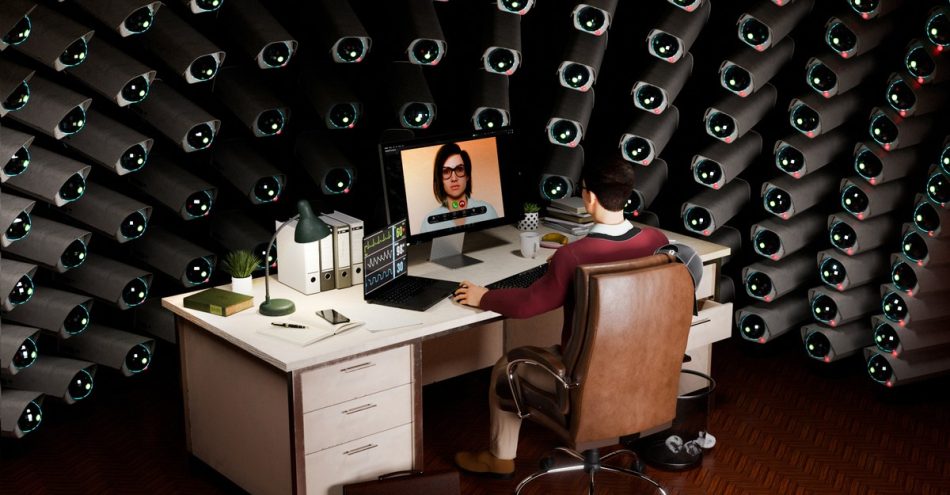
What if Your Boss Monitored Your Emotions?
The rise of emotional surveillance in the workplace is an emerging trend that raises significant questions about privacy, consent, and the future of work. As technology continues to evolve, companies are increasingly turning to artificial intelligence (AI) to monitor not just productivity but also the emotional states of their employees.
The Emergence of Emotion AI
Emotion AI, also known as affective computing, refers to the technology that analyzes human emotions through various means, including facial recognition, voice tone, and even text analysis. One notable example is MorphCast, an application that claims to assess a person’s emotional state during meetings by analyzing facial expressions and other cues. It can categorize emotions as “amused,” “determined,” or even “impatient,” providing insights into how engaged or interested someone is during a conversation.
Applications of Emotion AI
Companies are adopting emotion AI for a variety of purposes:
- Customer Service: Many businesses, including MetLife, utilize emotion AI to monitor call-center agents’ vocal tones and pitches to ensure quality assurance.
- Employee Monitoring: Trucking companies are employing advanced technologies like eyeball trackers and brain-wave scanners to assess driver fatigue and distress.
- Workplace Interaction: Fast-food chains like Burger King are experimenting with AI chatbots that evaluate employee interactions for friendliness.
The Shift to White-Collar Work
Initially, emotion AI technology was primarily used in lower-wage jobs. However, it is now making its way into white-collar environments. Tools like Aware, which integrates with Slack, continuously monitor messages for sentiment and toxicity. Microsoft’s Azure cloud services allow employers to analyze employee communications for emotional content. Moreover, companies like Imentiv are advising clients on how to incorporate emotional analysis into the hiring process, promising insights into candidates’ emotional engagement and personality types.
Regulatory Landscape
Despite the rapid growth of emotion AI, regulatory frameworks are struggling to keep pace. In 2022, the European Union enacted a ban on the use of emotion AI in workplaces, except for medical or safety purposes. This regulation prompted some companies, like MorphCast, to relocate to areas with more lenient laws. Nevertheless, the global market for emotion AI is projected to triple by 2030, reaching an estimated $9 billion.
The Implications of Emotional Surveillance
The implications of monitoring employee emotions are profound. The concept of trading some freedom for financial compensation is not new; however, the methods of surveillance have become more sophisticated and invasive. Karen Levy, an associate professor at Cornell, notes that the desire for employers to monitor their workers is a longstanding issue. The technology to track emotions without consent, while not new, is now more accessible and easier to implement.
Privacy Concerns
The lack of privacy protection for workers is a significant concern. In the United States, federal law allows employers broad latitude to monitor employee activities during work hours. This includes scanning communications and recording video and audio, even when employees are off the clock. While employees may have some legal protections, the reality is that the ability to collect and analyze data has become more feasible than ever before.
Technological Advancements
Recent advancements in technology have made it possible for companies to gather extensive data on employee behavior. Tools such as location trackers, keystroke loggers, and even cameras and microphones can provide detailed insights into how employees spend their time. The ability to analyze this data has transformed human resources from a qualitative discipline into a data-driven field known as “people analytics.”
Cultural and Economic Factors
The cultural and economic landscape has also shifted, particularly in the wake of the COVID-19 pandemic. With more employees working remotely, trust between employers and employees has diminished. The looming threat of economic recession has further exacerbated this issue, pushing companies to seek ways to monitor and control their workforce more effectively. As AI technology continues to evolve, the potential for replacing human workers with machines looms large, raising ethical questions about the future of employment.
Conclusion
As emotional surveillance becomes more prevalent in the workplace, it is crucial for employees to be aware of their rights and the implications of such monitoring. The balance between productivity and privacy is delicate, and as technology advances, the need for clear regulations and ethical guidelines becomes increasingly important. The future of work may hinge on how society navigates these challenges.
Note: The rise of emotional surveillance presents both opportunities and challenges. It is essential for employees and employers alike to engage in open discussions about the ethical implications of monitoring emotional states in the workplace.


