Which IIT First Introduced Engineering Physics?
The Indian Institute of Technology (IIT) Bombay was the first to introduce a Bachelor of Technology (B.Tech) program in Engineering Physics in 1984. This initiative marked a significant shift in the landscape of technical education in India, establishing IIT Bombay as a leader in interdisciplinary studies.
Background of IIT Bombay
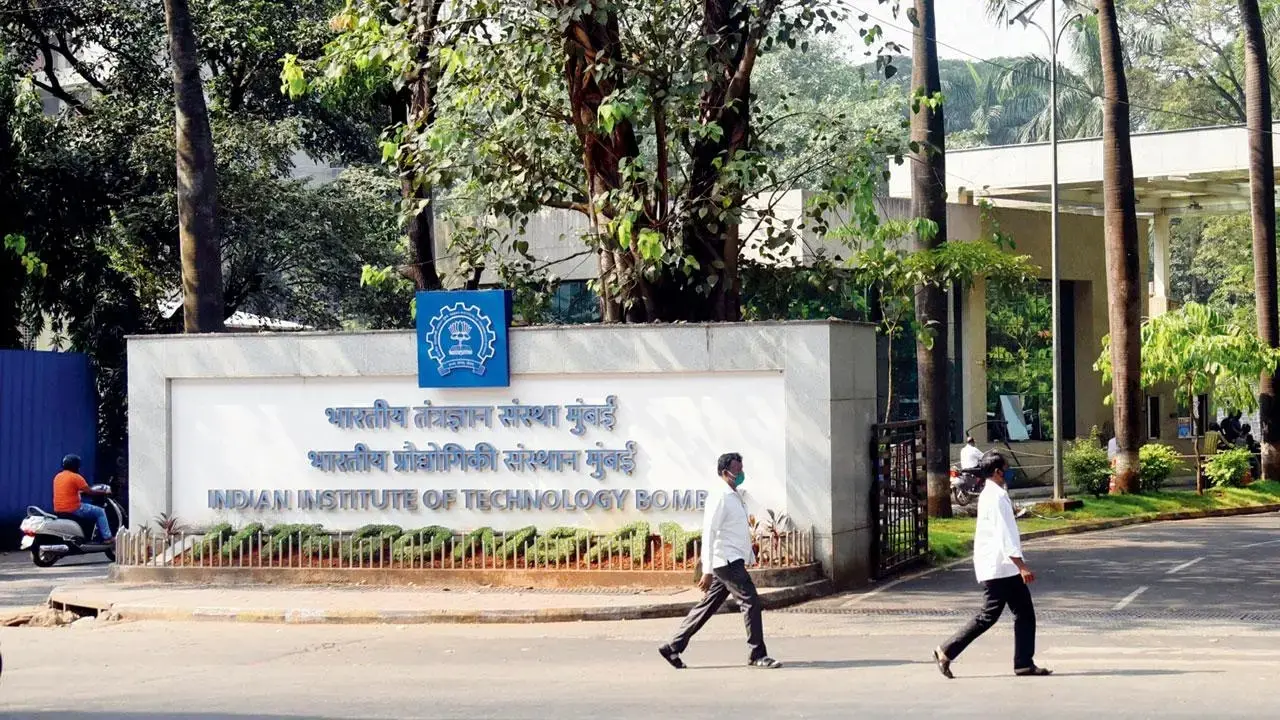
IIT Bombay, established in 1958 with support from UNESCO, is located in Powai, Mumbai. It is the second IIT to be established in India and has since grown into a globally recognized institution for engineering and technology education. The institute is renowned for its rigorous academic programs and research initiatives.
Introduction of Engineering Physics
The B.Tech in Engineering Physics was launched as a response to the declining enrollment in the traditional five-year integrated Master of Science (M.Sc) program. The decision to introduce a four-year B.Tech program was a result of extensive discussions among the academic bodies at IIT Bombay, aiming to create a curriculum that would bridge the gap between theoretical physics and practical engineering applications.
Curriculum and Specializations
The Engineering Physics program at IIT Bombay emphasizes a strong foundation in both physics and engineering principles. The curriculum is designed to prepare students for various fields, including quantum technologies and net-zero objectives. Over the years, other IITs have also developed their own Engineering Physics programs, each with unique specializations:
- IIT Madras: Known for its strong integration with the Department of Electrical Engineering, focusing on communications and photonics.
- IIT Ropar: Emphasizes semiconductor physics and nanotechnology, aligning its curriculum with the global electronics industry.
Key Highlights of IIT Bombay
IIT Bombay continues to be a top choice for students, particularly those who rank highly in the Joint Entrance Examination (JEE). Here are some key highlights of the institute:
- Established: 1958
- Location: Powai, Mumbai, Maharashtra (550-acre scenic campus)
- NIRF Ranking 2025: #3 (Overall), #3 (Engineering), #4 (Research), #2 (Innovation)
- QS World Ranking 2026: #129 Globally
- Flagship Programs: B.Tech (CSE, EE, Mechanical), B.Des, BS, MBA, M.Tech, PhD
- Research Ecosystem: 30+ Interdisciplinary Centers; New Quantum Sensing & Metrology Facility
- Placement Stats (2024): Avg. Salary: ₹23.5 LPA; Highest International: ₹1.68 Cr (Approx.)
Admissions and Programs Offered
IIT Bombay offers a wide array of programs ranging from undergraduate degrees to advanced research doctorates. The following are the main course categories available:
Undergraduate Programs
- B.Tech Programs: Four-year B.Tech degrees in core fields such as computer science, electrical engineering, and mechanical engineering.
- Bachelor of Design (B.Des): A four-year program focusing on industrial, communication, and interaction design.
Postgraduate Programs
- M.Tech Specializations: More than 70 postgraduate M.Tech specializations, including aerospace, chemical, and civil engineering.
- Management Degrees (MBA): Offers an Executive MBA and a two-year MBA aimed at technical graduates seeking leadership roles.
- Master of Science (M.Sc): Two-year M.Sc degrees in fundamental sciences such as physics, chemistry, and mathematics.
- Doctoral Research (Ph.D): Ph.D. programs available across all engineering, scientific, and humanities departments.
Research and Future Directions
IIT Bombay is committed to leading in frontier research areas. The institute’s Strategic Plan for 2026-2030 emphasizes advancements in:
- Machine Learning and Artificial Intelligence
- Semiconductors and Quantum Technologies
- Healthcare Technology and Climate Initiatives
The institute aims to foster a research ecosystem that not only contributes to academic knowledge but also addresses real-world challenges.
Conclusion
IIT Bombay’s introduction of the B.Tech in Engineering Physics in 1984 has had a lasting impact on India’s technical education landscape. The program continues to attract top talent and remains at the forefront of interdisciplinary research, making it a preferred choice for students aspiring to excel in engineering and physics.
Note: The information provided in this article is based on data available up to October 2023 and may be subject to change.