White influencer who was caught using AI to swap her face onto photo of black woman's body breaks silence
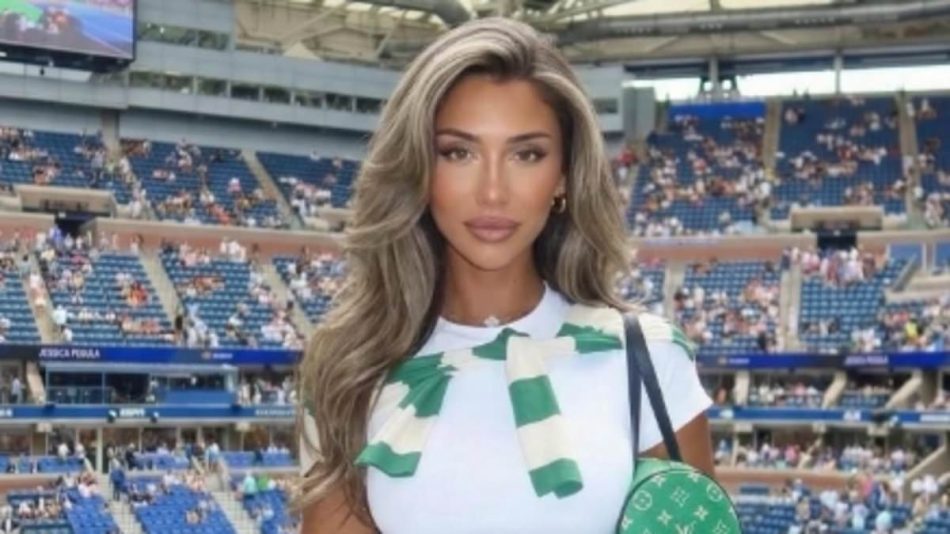
In a recent controversy that has sparked significant discussion on social media, Lauren Blake, a white influencer, has publicly addressed her involvement in a scandal where her face was superimposed onto a photo of a black model, Tatiana Elizabeth, during the 2024 US Open. The incident has raised questions about the ethical use of artificial intelligence in content creation and the responsibilities of influencers in the digital age.
The Incident
The controversy erupted when a post from Lauren Blake’s social media account featured an altered image that appeared to use the likeness of Tatiana Elizabeth without her consent. The original photo of Elizabeth, taken at the US Open, was repurposed in a way that many found offensive and disrespectful. Blake’s post was geolocated at the Miami Open, yet the background was clearly identifiable as the US Open in Queens, New York.
Lauren Blake’s Response
After the backlash, Lauren Blake spoke out to address the situation. In an interview with TMZ, she stated, “That shouldn’t have happened, and I take full responsibility. This came from an A.I. content system my team uses to generate images at scale. I did not see the original image or intentionally set out to copy anyone’s work, but that doesn’t change the outcome.”
Blake emphasized her commitment to the integrity of her content and acknowledged the impact her actions had on another creator. “I understand this impacted another creator, especially when it comes to respecting original work, and I never want to contribute to that kind of frustration or harm within the creative community that I have been a part of for 10 years,” she added.
Apology to Tatiana Elizabeth
In her statement, Blake revealed that she reached out to Tatiana Elizabeth to apologize personally. “I take full responsibility for what appears on my platforms. The post was removed and I have spoken with the creator privately to apologize,” she noted. Blake also mentioned that she would implement more oversight with her agency to ensure that her content is handled with the respect it deserves moving forward.
Community Reaction
The influencer community, along with many social media users, reacted strongly to the incident. Tatiana Elizabeth herself expressed her feelings of violation in a self-shot video, stating, “So, this photo to the right is a photo of me at the US Open in 2024. I came across this morning on Instagram of someone who castrated me and decided to use my image and my environment.”
Elizabeth’s comments highlighted the emotional toll that such actions can have on individuals, especially when it involves the appropriation of their likeness without permission. The term “castrated” used by Elizabeth underscores the seriousness of the violation and the feeling of being stripped of one’s identity and agency.
The Role of AI in Content Creation
This incident has sparked a broader conversation about the role of artificial intelligence in content creation. Many influencers and creators are increasingly using AI tools to generate content quickly and efficiently. However, this raises ethical questions about originality, consent, and the potential for misuse.
As AI technology continues to advance, it is crucial for creators to understand the implications of using such tools. The ability to manipulate images and create content at scale can lead to unintentional harm if not used responsibly. Influencers must be aware of the ethical considerations and the potential impact of their content on others.
Moving Forward
In light of this incident, Lauren Blake has committed to improving her practices and ensuring that her content reflects her values. “I am deeply sorry for the hurt this has caused the original creator and the community at large. Thank you to those that have spoken up. I am listening and I am committed to doing better,” she stated.
This situation serves as a reminder of the importance of accountability in the influencer space. As creators navigate the digital landscape, they must prioritize ethical practices and respect for the work of others. The incident also highlights the need for transparency and communication within the community to foster a more respectful and inclusive environment.
Conclusion
The controversy surrounding Lauren Blake’s use of AI to swap her face onto a black woman’s body has opened up critical discussions about the ethics of content creation in the digital age. As influencers continue to utilize advanced technologies, it is essential for them to remain vigilant about the implications of their actions and to prioritize respect for the original creators. This incident serves as a pivotal moment for the influencer community to reflect on their responsibilities and to strive for greater integrity in their work.
Note: The information presented in this article is based on events reported as of April 2026 and may be subject to change as new developments arise.