Why Garry Tan's Claude Code setup has gotten so much love, and hate
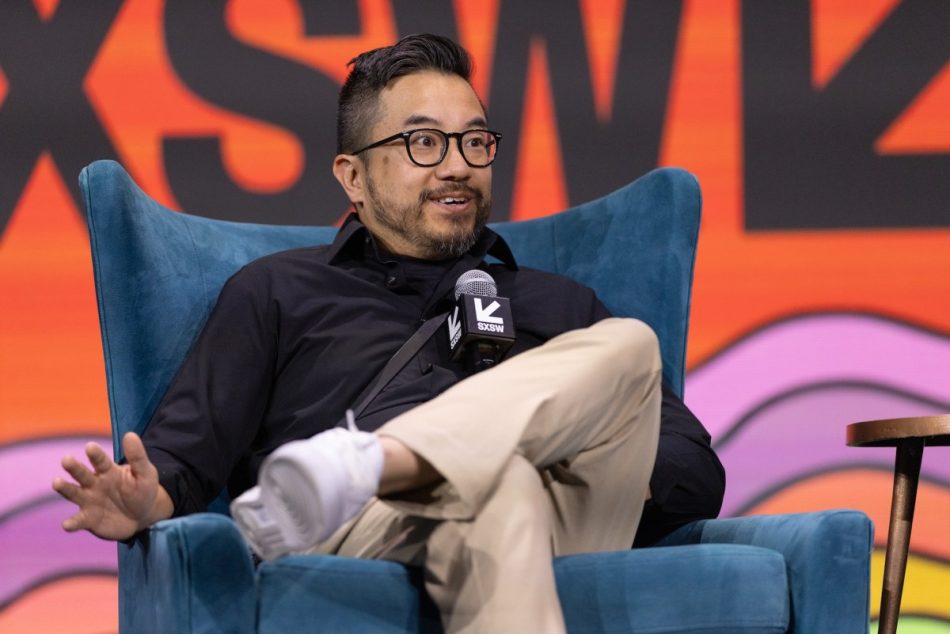
Garry Tan, the CEO of Y Combinator, has recently stirred up a mix of admiration and criticism with his Claude Code setup, known as gstack. During an onstage interview at SXSW 2026, Tan shared his enthusiasm for working with AI agents, humorously referring to his heightened state of excitement as “cyber psychosis.” His comments have sparked discussions about the implications of AI in startup culture and the nature of innovation.
The Rise of gstack
On March 12, 2026, Tan made waves in the tech community by sharing his gstack setup on GitHub under an open-source license. This setup includes six “opinionated” Claude Code skills that he developed to enhance productivity and streamline processes in software development. These skills are essentially reusable prompts stored in specific files that instruct the AI on how to perform various roles or tasks.
Tan expressed his desire for others to benefit from his setup, stating, “I’ve been having such an amazing time with Claude Code, I wanted you to be able to have my exact skill setup.” The gstack repository quickly gained traction, accumulating nearly 20,000 stars on GitHub and over 2,200 forks, indicating a significant interest from developers looking to modify and use the setup for their own projects.
How gstack Works
The gstack setup allows users to leverage Claude’s capabilities in various ways. For instance, Tan utilizes one skill to get Claude’s opinion on whether a startup idea or feature is viable. Another skill enables Claude to write the feature as an engineer, while a third skill allows Claude to review its own work for bugs and security issues as a code reviewer. Additional skills cover design, documentation, and more, creating a comprehensive toolkit for developers.
The Mixed Reactions
While the initial reception of gstack was overwhelmingly positive, Tan’s subsequent tweet about a friend’s experience with the setup sparked controversy. He claimed that a CTO friend described gstack as “god mode,” stating that it uncovered a security flaw in the CTO’s company’s code. This assertion led to a wave of criticism from various corners of the tech community.
Criticism and Skepticism
Many individuals took to social media to voice their concerns about gstack. One founder remarked, “Garry should be embarrassed for tweeting this. If it’s true, that CTO should be fired immediately.” Others echoed similar sentiments, suggesting that the project was merely a collection of prompts rather than a groundbreaking innovation. A vlogger even labeled the phenomenon as “AI is making CEOs delusional,” emphasizing that developers often have their own versions of such setups.
Support and Validation
Despite the backlash, Tan’s gstack has also received validation from experts in the field. When queried, AI models like ChatGPT and Gemini provided positive feedback, describing gstack as a sophisticated configuration that simulates an engineering organization structure. ChatGPT noted, “The real insight here is that AI coding works best when you simulate an engineering org structure.” Meanwhile, Gemini referred to gstack as a “Pro” configuration, highlighting its focus on correctness over simplicity.
The Broader Implications
The debate surrounding gstack raises important questions about the role of AI in software development and the startup ecosystem. As Tan himself stated, “I love coding but I love coding with AI even more.” His enthusiasm reflects a growing trend among developers and entrepreneurs who see AI as a transformative tool that can enhance creativity and productivity.
The Future of AI in Startups
As AI technology continues to evolve, the potential applications in startup environments are vast. Tools like gstack may pave the way for more efficient workflows, allowing teams to focus on innovation rather than repetitive tasks. However, the criticisms surrounding gstack also serve as a reminder that reliance on AI should not replace fundamental engineering practices and critical thinking.
Conclusion
Garry Tan’s Claude Code setup, gstack, has undoubtedly made a significant impact on the tech community, eliciting both praise and skepticism. While some view it as a groundbreaking tool that can revolutionize software development, others argue that it is merely a collection of existing ideas. As the conversation around AI in startups continues, it will be essential to balance enthusiasm for innovation with a critical understanding of its limitations and challenges.
Note: The opinions expressed in this article reflect the ongoing discourse surrounding the integration of AI in the startup ecosystem and the varying perspectives on its implications.