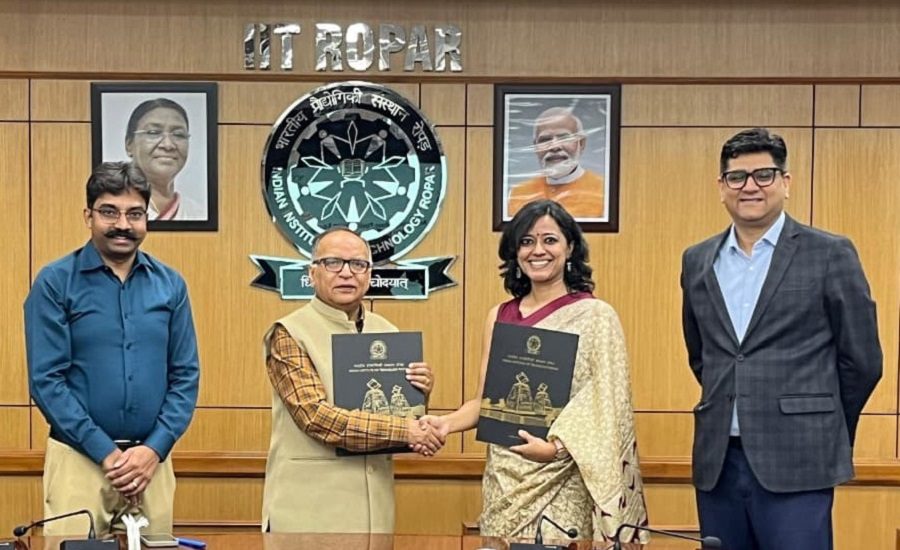
‘Working for good of humanity’: IIT Ropar Director at AI Impact Summit
On February 19, 2026, the Director of the Indian Institute of Technology Ropar (IIT Ropar), Professor Rajeev Ahuja, delivered a compelling address at the India AI Impact Summit 2026, held in New Delhi. During his speech, he emphasized India’s potential to emerge as a global leader in the field of Artificial Intelligence (AI), asserting that the nation is committed to utilizing AI for the betterment of humanity.
India’s Leadership in AI
Professor Ahuja expressed confidence in India’s trajectory towards becoming a dominant force in AI, stating, “India is going to lead the AI world.” He highlighted the importance of the technologies developed in India, asserting that these innovations will not only benefit the country but will also be deployed globally. Ahuja’s remarks were underscored by the acknowledgment from French President Emmanuel Macron, who praised India’s achievements in the digital sector.
Key Highlights from the Summit
- Global AI Leadership: Ahuja stated that whatever advancements are made in India will be shared with the world, emphasizing a commitment to the welfare of humanity.
- Recognition from Global Leaders: The IIT Ropar Director referenced Macron’s comments on India’s success in digital transactions, which have gained international credibility.
- Collaboration over Competition: The summit emphasized the need for cooperative development in AI, as opposed to a fragmented digital landscape.
Macron’s Vision for AI Development
French President Emmanuel Macron, who also spoke at the summit, highlighted the urgency of fostering inclusive and cooperative AI development. He stressed that nations should work together to shape AI governance, rather than engage in competitive practices that could lead to digital fragmentation. Macron’s address resonated with the audience of policymakers, industry leaders, and technology experts.
Key Messages from Macron’s Address
- Urgency of Collaboration: Macron called for a united approach to AI governance, stating that the current global tensions necessitate a focus on collaboration.
- Bridging Divides: The French President urged nations to work towards creating inclusive systems that foster sharing and cooperation.
- Role of Global Leadership: Macron expressed his intention to use France’s G7 presidency to promote this vision, while also recognizing India’s leadership through its BRICS presidency.
The Importance of AI for Humanity
Both Ahuja and Macron underscored the transformative potential of AI technologies. They emphasized that the true measure of AI’s success lies in its ability to address global challenges and improve the quality of life for people worldwide. The discussions at the summit highlighted several key areas where AI can make a significant impact:
Areas of Impact
- Healthcare: AI can revolutionize diagnostics, treatment plans, and patient care, making healthcare more accessible and effective.
- Education: Personalized learning experiences powered by AI can enhance educational outcomes for students across various demographics.
- Environmental Sustainability: AI technologies can help in monitoring and managing natural resources, contributing to sustainable development goals.
- Economic Growth: AI can drive innovation and efficiency in industries, leading to job creation and economic advancement.
Conclusion
The India AI Impact Summit 2026 served as a platform for leaders to discuss the future of AI and its potential to benefit humanity. With voices like Professor Rajeev Ahuja and President Emmanuel Macron advocating for collaborative efforts, the path towards a more inclusive and beneficial AI landscape appears promising. As India positions itself as a leader in AI, the focus on ethical and humanitarian applications will be crucial in shaping a better future for all.
Note: This article summarizes the key points from the India AI Impact Summit 2026, emphasizing the importance of collaboration in AI development and its potential benefits for humanity.