Workshop on Digital Twin Software for Semiconductor Manufacturing at IIT-K
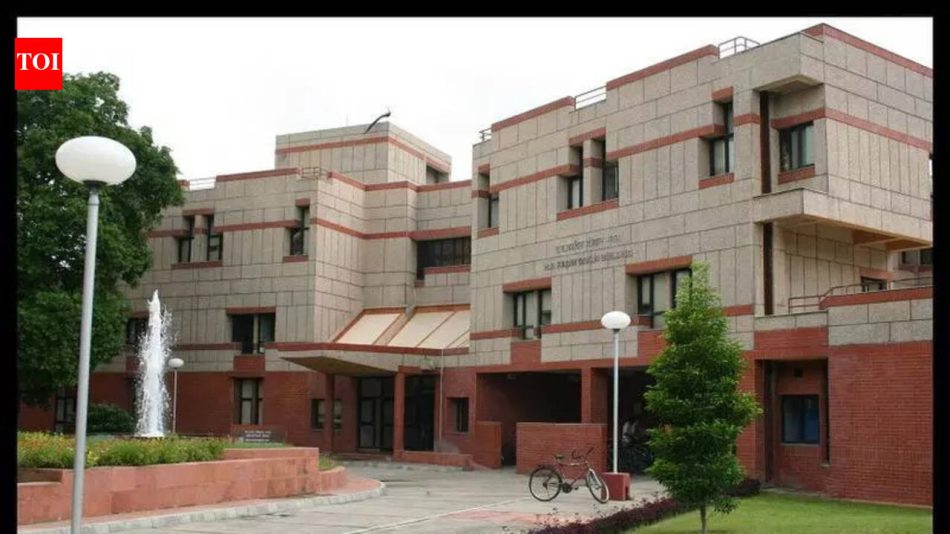
The Advanced Centre for Materials Science (ACMS) at the Indian Institute of Technology Kanpur (IIT-K) recently organized a hands-on workshop in collaboration with Applied Materials India. This workshop focused on the innovative digital twin software framework known as Applied Twin, which is designed to model and optimize semiconductor manufacturing equipment and processes.
Event Overview
The workshop took place at IIT Kanpur and was inaugurated by Professor Manindra Agrawal, the director of IIT Kanpur. The event attracted over 120 participants, including undergraduate and postgraduate students from IIT-K, Harcourt Butler Technical University (HBTU) Kanpur, and other institutions. This diverse attendance highlighted the growing interest and importance of semiconductor technology in the academic and industrial sectors.
Significance of Digital Twin Technology
Digital twin technology has emerged as a critical component in the field of manufacturing, particularly in the semiconductor industry. A digital twin is a virtual representation of a physical system, which allows for real-time monitoring, analysis, and optimization of processes. The key benefits of utilizing digital twin technology in semiconductor manufacturing include:
- Enhanced Efficiency: By simulating manufacturing processes, companies can identify bottlenecks and inefficiencies, leading to improved productivity.
- Cost Reduction: Digital twins can help in minimizing waste and reducing operational costs by optimizing resource allocation.
- Predictive Maintenance: The technology allows for predictive analytics, enabling manufacturers to anticipate equipment failures and schedule maintenance proactively.
- Improved Quality Control: By continuously monitoring production processes, manufacturers can ensure higher quality standards and reduce defects.
Workshop Highlights
During the workshop, guest speakers from Applied Materials provided in-depth explanations of the Applied Twin software framework. They covered various aspects of the software, including its architecture, functionalities, and applications in semiconductor manufacturing. The workshop emphasized the importance of a hands-on approach to learning, a philosophy that has been a hallmark of many workshops organized by ACMS.
Professor Anish Upadhyaya, the head of ACMS, stressed the significance of “learning by doing” in the context of advanced materials science and engineering. This approach not only enhances theoretical understanding but also equips students with practical skills that are essential in today’s competitive job market.
Participant Engagement
Participants engaged in various activities designed to provide practical experience with the Applied Twin software. These activities included:
- Interactive Demonstrations: Participants were able to observe real-time simulations and analyses of semiconductor manufacturing processes.
- Hands-On Training: Attendees had the opportunity to work directly with the software, allowing them to apply theoretical concepts in a practical setting.
- Q&A Sessions: The workshop included sessions where participants could ask questions and clarify doubts with industry experts.
Future Implications
The implications of digital twin technology in semiconductor manufacturing are vast and promising. As the demand for semiconductors continues to grow, driven by advancements in technology such as artificial intelligence, the Internet of Things (IoT), and 5G, the need for efficient manufacturing processes becomes increasingly critical.
Institutions like IIT Kanpur play a vital role in preparing the next generation of engineers and scientists to meet these challenges. By integrating cutting-edge technologies like digital twins into their curriculum and workshops, educational institutions can help students gain the skills necessary to thrive in a rapidly evolving industry.
Conclusion
The workshop on digital twin software for semiconductor manufacturing at IIT-K was a significant step forward in bridging the gap between academia and industry. By providing students with hands-on experience and insights from industry leaders, the workshop not only enhanced their understanding of semiconductor manufacturing processes but also prepared them for future challenges in the field.
The collaboration between IIT Kanpur and Applied Materials India exemplifies the importance of partnerships between educational institutions and industry leaders in fostering innovation and advancing technology.
Note: This article reflects the events and insights shared during the workshop held at IIT Kanpur and aims to highlight the importance of digital twin technology in semiconductor manufacturing.