Young People Are Falling Behind, but Not Because of AI
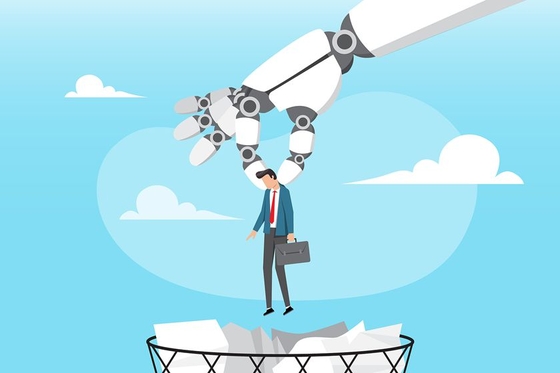
The job market for young people has become increasingly challenging in recent years. The release of AI tools like ChatGPT in late 2022 has led many to speculate that these technologies are displacing entry-level positions, particularly for recent college graduates. However, a closer examination of the data reveals that the struggles faced by young job seekers are not primarily due to AI.
The Current Job Market Landscape
As of early 2026, the unemployment rate for recent college graduates has risen to nearly 6 percent, the highest level in over a decade, excluding the pandemic spike in 2020. In contrast, the overall unemployment rate stands at around 4 percent. This discrepancy has led to headlines suggesting that AI is wreaking havoc on the job prospects of young professionals.
Debunking the AI Job Displacement Myth
Many observers have linked the rising unemployment rate among recent graduates to the impact of AI on the labor market. However, this narrative may be premature. The unemployment rate can be misleading, as the Bureau of Labor Statistics only counts individuals as unemployed if they have actively sought work in the past four weeks. This definition excludes those who have stopped looking for jobs, which can create a distorted view of the job market.
Insights from Economists
Economists Adam Ozimek and Nathan Goldschlag conducted a detailed analysis of the data and found that a significant number of young workers without college degrees had given up on job hunting. This trend artificially inflated the unemployment rate for college graduates, making it appear that they were faring worse than they actually are.
Understanding the Employment Landscape for Young Workers
Using a broader employment measure that includes all working-age adults under 25, excluding full-time students, Ozimek and Goldschlag discovered that those without degrees have faced even greater challenges than their college-educated peers since 2023. This finding suggests that the overall labor market for young people is worse than previously believed.
The Declining Value of a College Degree
While recent college graduates have historically enjoyed lower unemployment rates than the general population, the gap has been narrowing. This trend predates the introduction of AI technologies. The percentage of young individuals holding a bachelor’s degree has increased significantly since 2008, largely due to expanded enrollment at less selective institutions. As a result, the competition for jobs has intensified, while the skill level of new graduates has not kept pace.
Shifts in Job Market Demand
Research from the San Francisco Federal Reserve indicates that the proportion of online job postings requiring a college degree has decreased since 2010. This decline suggests that the widespread use of digital technologies has reduced the necessity of a degree for many positions.
AI’s Impact on Employment
Interestingly, workers in occupations deemed most at risk of AI displacement have not experienced the worst outcomes. A report by Goldschlag and co-author Sarah Eckhardt evaluated various metrics to assess which jobs were most exposed to AI disruption, concluding that there was no significant correlation between AI exposure and employment outcomes from 2022 to 2025.
Employment Trends in Different Sectors
Data from economist Ernie Tedeschi reveals that since June 2023, the highest increases in unemployment for young workers have occurred in sectors least exposed to AI, such as construction and fitness training. This suggests that the challenges faced by young job seekers are not directly tied to AI technologies.
AI as a Potential Job Creator
In fact, some analyses suggest that AI might be contributing to job growth for college-educated workers. A 2025 study indicated that recent graduates in sectors with higher AI utilization have experienced slightly better employment outcomes compared to pre-AI times. Additionally, a survey by the Federal Reserve Bank of New York found that more businesses reported hiring additional workers due to AI than those reducing their workforce.
Identifying the Real Challenges
If AI is not the primary culprit for the tough job market for young people, what is? The slowdown in hiring across nearly every sector has reached levels reminiscent of the aftermath of the Great Recession. This phenomenon, referred to as “the big freeze,” began in mid-2022 and has persisted due to various factors.
Factors Contributing to the Hiring Slowdown
- Employer Hesitancy: Companies, traumatized by the rapid job-switching during the pandemic, have become more cautious, choosing to retain existing employees rather than hire new ones.
- Economic Uncertainty: Fears of an impending recession and concerns about the upcoming 2024 elections have caused businesses to pause investment plans, reducing the need for new hires.
Conclusion
While the narrative surrounding AI’s impact on young people’s job prospects is compelling, the evidence suggests that the challenges they face are rooted in broader economic trends rather than technological displacement. As the job market continues to evolve, it is crucial to address the underlying issues that contribute to the difficulties young workers encounter in securing employment.
Note: Understanding the complexities of the job market is essential for developing effective policies and strategies to support young workers in their career journeys.