
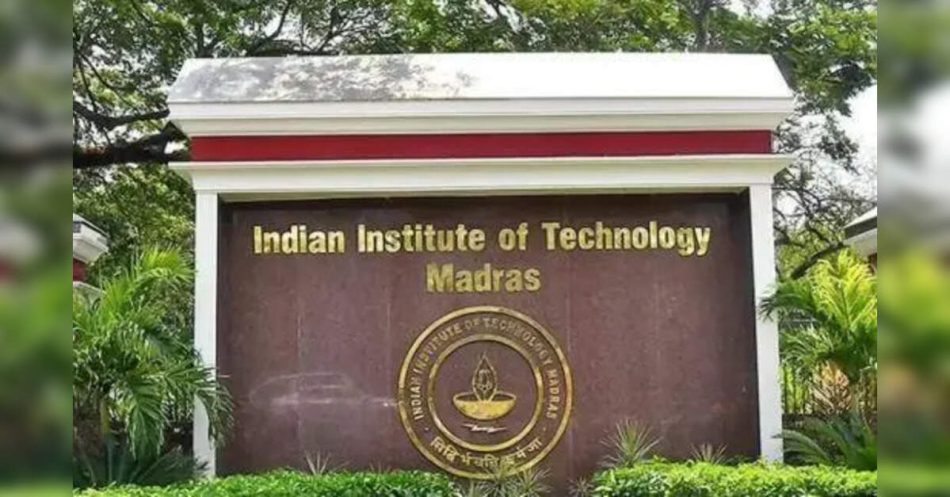
3.5K pursue IIT Madras online courses as 2nd degree
In recent years, the educational landscape in India has witnessed a significant shift towards online learning, particularly in technical fields. One of the most notable developments is the increasing number of students pursuing online degrees from prestigious institutions like the Indian Institute of Technology (IIT) Madras. As of April 2026, approximately 3,500 students from across Tamil Nadu are enrolled in the online data science program as a second degree, highlighting the growing trend of dual-degree education.
The Rise of Online Education
The transition to online education has been accelerated by various factors, including the COVID-19 pandemic, which forced educational institutions to adapt to remote learning. IIT Madras has been at the forefront of this movement, offering innovative online courses that cater to the needs of working professionals and students seeking additional qualifications.
Student Experiences
Among the students pursuing these online courses is Janani D, a graduate from SRM Easwari Engineering College. Janani successfully completed both her regular degree and the online degree in data science and applications from IIT Madras. She noted the advantages of pursuing two degrees simultaneously, stating, “The college and faculty were helpful. I was able to do projects and assignments for both courses simultaneously and completed them in four years.” Her experience exemplifies the potential benefits of dual-degree programs.
Program Structure and Focus
The online data science program at IIT Madras has seen two batches graduate with a Bachelor of Science (BS) degree. Currently, around 36,000 students are enrolled in this online program, which emphasizes practical skills alongside theoretical knowledge. Professor Vignesh Muthuvijayan, who oversees the data science program, explained, “We focus on skills after teaching fundamentals. The course also has multiple exits, including foundation, diploma, and degree levels.” This flexible structure allows students to tailor their education to their career goals.
Skills for the Future
The curriculum is designed to equip students with the skills required for in-demand job profiles such as full-stack developers and data scientists. This focus on practical skills is particularly beneficial during campus placements, where employers are increasingly looking for candidates with hands-on experience and relevant technical knowledge.
Challenges and Opportunities
Despite the growing interest in online education, challenges remain. A year ago, the University Grants Commission (UGC) permitted students to pursue two degrees simultaneously—one in a traditional format and another online. However, many colleges have reported that students are often overwhelmed by the demands of a regular degree program, leading some to abandon their online studies.
Lilian Jasper, principal of Women’s Christian College, noted, “Many students who have enrolled in online programs joined our college last year. However, after a few months, many of them quit their online degrees as they found that pursuing a regular degree is more demanding.” This sentiment reflects the need for institutions to provide adequate support for students balancing multiple educational commitments.
Changing Attitudes Towards Education
As the education sector evolves, there is a noticeable shift in student preferences towards short-term, skill-oriented online programs. S. Vaidyasubramaniam, vice-chancellor of Sastra University, commented, “More students pursue online skill-based courses as colleges can allocate time for these courses within the course.” This trend indicates a growing recognition of the importance of practical skills in the job market.
Conclusion
The rise of online education, particularly through programs like those offered by IIT Madras, represents a significant shift in how students approach their education. With thousands of students pursuing dual degrees, the landscape of higher education is changing, emphasizing the importance of flexibility and skill development. As institutions continue to adapt to the needs of students and the demands of the job market, the future of online education looks promising.
Note: The information presented in this article is based on data available as of October 2023 and reflects the trends and experiences of students pursuing online education in India.


