Senators tell ByteDance to 'immediately shut down' Seedance AI video app
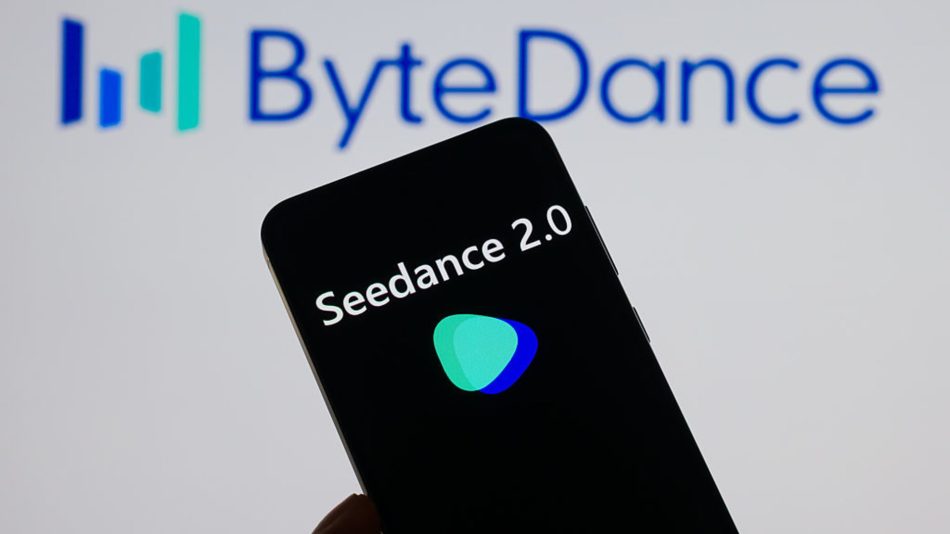
In a significant move reflecting growing concerns over artificial intelligence and copyright issues, Senators Marsha Blackburn (R-Tenn.) and Peter Welch (D-Vt.) have called for ByteDance, the parent company of TikTok, to immediately shut down its controversial AI video application, Seedance. This app has generated backlash for its ability to create videos featuring real people and licensed characters, raising serious copyright and intellectual property concerns.
Background on Seedance AI Video App
Seedance 2.0, the latest version of the app, was launched on February 12, 2026. It allows users to create videos using AI technology that mimics the likenesses of well-known figures and characters. However, this capability has led to accusations of copyright infringement and unauthorized use of personal likenesses. The senators’ letter to ByteDance CEO Liang Rubo highlights these issues, stating that Seedance 2.0 represents “the most glaring example of copyright infringement from a ByteDance product to date.”
Concerns Raised by Lawmakers
In their letter, Blackburn and Welch emphasized the need for responsible practices in the AI industry. They argued that “responsible global companies follow the law and respect core economic rights, including intellectual property and personal likeness protections.” The senators specifically mentioned instances where Seedance 2.0 generated content featuring celebrities such as Tom Cruise and Brad Pitt, as well as characters from popular media like the Netflix show “Stranger Things.”
Response from ByteDance
In response to the senators’ concerns, a spokesperson for ByteDance stated, “ByteDance respects intellectual property rights and we have heard the concerns regarding Seedance 2.0. We are taking steps to strengthen current safeguards as we work to prevent the unauthorized use of intellectual property and likeness by users.” This statement suggests that the company is aware of the legal complications surrounding the app and is attempting to address them.
Industry Reactions
The concerns raised by lawmakers are echoed by various groups within the entertainment industry. The Motion Picture Association, representing major film studios, has also expressed its discontent with Seedance. They have sent a cease-and-desist letter to ByteDance, urging the company to halt the app’s operations until the copyright issues are resolved. In light of these pressures, reports indicate that ByteDance has postponed the global rollout of Seedance 2.0 to navigate the legal complexities it faces.
Legislative Landscape on AI Regulation
Despite the growing scrutiny of AI technologies, Congress has generally adopted a hands-off approach to regulating this rapidly evolving field. Lawmakers have expressed concern that overly restrictive regulations could stifle innovation and hinder U.S. companies’ ability to compete globally. However, the urgency of the situation has prompted some legislators, including Blackburn and Welch, to introduce targeted bills aimed at protecting artists’ rights and ensuring that their works are not used without consent in AI training.
Proposed Legislation
In August 2026, Senators Blackburn and Welch unveiled a bill designed to help artists protect their copyrighted works from being used to train AI models without permission. This legislative effort is part of a broader initiative to establish clearer guidelines and protections in the AI landscape, especially as it pertains to creative industries.
The Future of AI and Copyright
The ongoing debate surrounding Seedance and similar AI applications illustrates the complex intersection of technology, creativity, and legal rights. As AI continues to advance, the need for comprehensive regulations that balance innovation with the protection of intellectual property rights becomes increasingly critical. The situation with Seedance serves as a case study for the challenges faced by lawmakers and industry leaders alike in navigating this uncharted territory.
Conclusion
As the conversation around AI and copyright continues to evolve, it remains to be seen how ByteDance will address the concerns raised by lawmakers and industry stakeholders. The outcome of this situation could set important precedents for the future of AI technologies and their relationship with intellectual property rights.
Note: The information in this article is based on sources available as of October 2023 and is intended to provide an overview of the ongoing discussions surrounding the Seedance AI video app and its implications for copyright law.