Researchers from IIT Kharagpur, PRL Ahmedabad simulate 4.3-billion-year-old lunar conditions in a lab
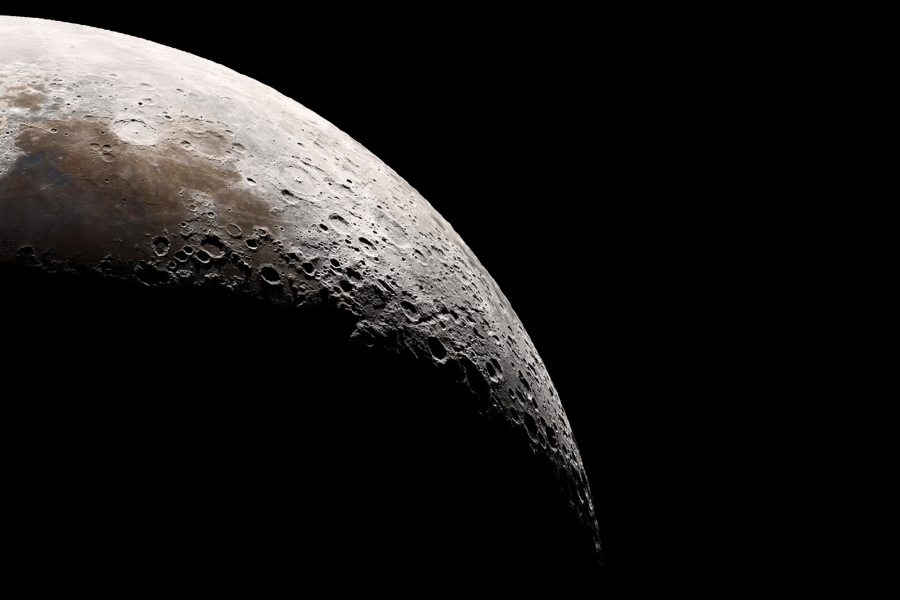
In a groundbreaking study, researchers from the Indian Institute of Technology (IIT) Kharagpur and the Physical Research Laboratory (PRL) in Ahmedabad have successfully simulated the ancient conditions of the Moon, dating back approximately 4.3 billion years. This innovative research aims to deepen our understanding of the Moon’s geological history and its evolution over billions of years.
The Significance of Lunar Research
The Moon has long fascinated scientists due to its proximity to Earth and its role in the solar system. Understanding its formation and geological processes can provide insights into the early history of Earth itself. The study of lunar geology is crucial for several reasons:
- Understanding Planetary Formation: The Moon is considered a remnant of the early solar system, and studying its composition helps scientists understand how planets formed.
- Insights into Earth’s History: The Moon’s geological record offers clues about the conditions on early Earth, including volcanic activity and the presence of water.
- Future Exploration: As space agencies prepare for manned missions to the Moon and beyond, understanding lunar conditions is vital for ensuring the safety and success of these missions.
The Research Methodology
The research team employed advanced simulation techniques to recreate the lunar environment of 4.3 billion years ago. This involved the use of high-pressure and high-temperature conditions that mimic the early lunar surface. The key steps in the research methodology included:
- Sample Collection: The researchers collected lunar soil samples from various locations on the Moon’s surface during previous missions, including Apollo missions.
- Laboratory Simulation: Using specialized equipment, the team simulated the high temperatures and pressures found on the Moon, allowing them to observe how these conditions affected the lunar materials.
- Analysis: The team conducted detailed analyses of the simulated samples to study their mineral composition, isotopic ratios, and other geological features.
Key Findings
After extensive experimentation and analysis, the researchers uncovered several significant findings that contribute to our understanding of the Moon’s history:
- Volcanic Activity: The simulation revealed evidence of extensive volcanic activity during the Moon’s early history, suggesting that the lunar surface was once more geologically active than previously thought.
- Water Presence: The results indicated that water may have played a role in the Moon’s geological processes, challenging the long-held belief that the Moon was completely dry.
- Impact Events: The team found that large impact events, such as asteroid collisions, significantly shaped the Moon’s surface and contributed to its geological diversity.
Implications for Future Research
The findings from this research have several implications for future studies of the Moon and planetary science in general:
- Enhanced Lunar Missions: The insights gained can help guide future lunar exploration missions, particularly in selecting landing sites and understanding potential resources.
- Broader Planetary Science: The methodologies developed in this study can be applied to other celestial bodies, enhancing our understanding of their geological histories.
- Interdisciplinary Collaboration: This research highlights the importance of collaboration between different scientific disciplines, including geology, astrophysics, and planetary science.
Conclusion
The simulation of 4.3-billion-year-old lunar conditions by researchers from IIT Kharagpur and PRL Ahmedabad represents a significant advancement in our understanding of the Moon’s geological history. By recreating the ancient environment of the Moon, the team has provided valuable insights that challenge existing theories and open new avenues for exploration and research. As we continue to explore our celestial neighbor, studies like this will be crucial for unraveling the mysteries of the Moon and its impact on our own planet.
Note: The findings from this research are expected to be published in a leading scientific journal, contributing to the ongoing discourse in planetary science and lunar studies.