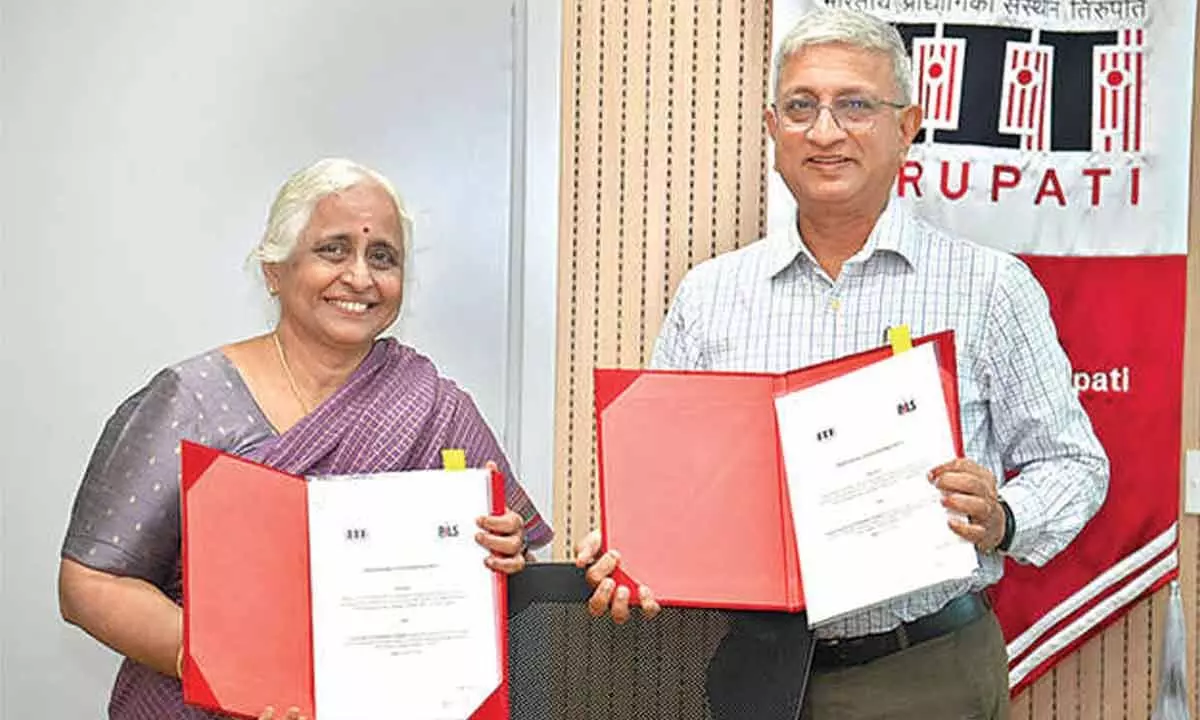
CM Naidu approves A.P. FIRST Research Centre project in Tirupati
On January 16, 2026, Chief Minister N. Chandrababu Naidu announced the approval of a significant initiative aimed at fostering innovation and research in Andhra Pradesh. The Andhra Pradesh Futuristic Innovation and Research in Science and Technology (AP FIRST) project will be established in Tirupati and is designed to prepare future generations to meet the evolving demands of the industry.
Objectives of the AP FIRST Project
The primary goal of the AP FIRST project is to create a research center that supports innovation, research, and skill development aligned with future technologies. CM Naidu emphasized the importance of identifying future-oriented sectors and enhancing the skills of the youth to ensure long-term economic growth in the state.
Collaboration with Premier Institutions
The AP FIRST initiative will be developed in collaboration with two prestigious national institutions: the Indian Institute of Technology (IIT) Tirupati and the Indian Institute of Science Education and Research (IISER) Tirupati. This partnership aims to combine their strengths to create a world-class research facility.
Focus Areas for Research and Development
Chief Minister Naidu outlined several key sectors that will be prioritized within the AP FIRST framework:
- Aerospace
- Defence
- Space Technology
- Artificial Intelligence
- Cybersecurity
- Semi-conductors
- Quantum Technology
- Healthcare
- Biotechnology
- Green Energy
- Rural Technologies
These sectors are expected to play a crucial role in shaping the future of Andhra Pradesh and contributing to its economic development.
Government Policies to Attract Investments
To support the growth of these sectors, the state government is actively framing policies aimed at attracting investments. An example of this initiative is the upcoming green ammonia plant in Kakinada, which highlights the government’s commitment to clean and sustainable energy solutions.
Emphasis on Collaboration and Innovation
CM Naidu stressed the importance of collaboration between educational institutions, startups, and leading companies. The AP FIRST center will work closely with universities and private organizations to harness innovative ideas from students. This approach aims to integrate emerging technologies into academic curricula, ensuring that students are well-prepared for future challenges.
Drone Technology Initiatives
In addition to the AP FIRST project, CM Naidu directed officials to strengthen the state’s Drone Corporation. The focus will be on expanding the use of drones in various sectors, including agriculture and medical emergencies. The Chief Minister also highlighted the need to explore advanced concepts such as drone taxis and drone ambulances.
Future of Drone Technology in Andhra Pradesh
As part of the drone technology initiative, the feasibility of implementing a Drone Traffic Control Management System in coordination with the central government will be examined. This system is expected to enhance the efficiency and safety of drone operations across the state.
Key Officials Present at the Meeting
During the announcement, several senior officials were present, including:
- Aerospace and Defence Advisor Satish Reddy
- IT-Digital Transformation Advisor Amit Duggar
- IIT Tirupati Director Prof. K.N. Satyanarayana
- DMTI Director Colonel P.S. Reddy
Their participation underscores the collaborative effort required to make the AP FIRST project a success.
Conclusion
The establishment of the AP FIRST Research Centre in Tirupati marks a significant step towards fostering innovation and preparing the youth of Andhra Pradesh for future technological advancements. By focusing on key sectors and promoting collaboration between educational institutions and industries, the state government aims to drive economic growth and ensure that its workforce is equipped with the necessary skills to thrive in a rapidly changing environment.
Note: The information provided in this article is based on the announcement made by Chief Minister N. Chandrababu Naidu and is subject to further developments.