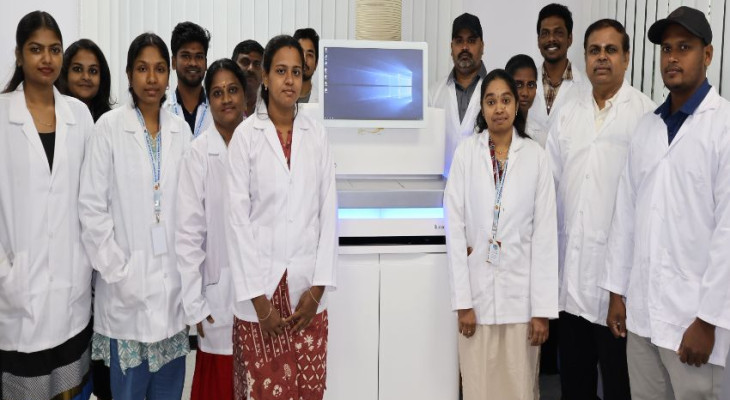
Deep Tech VCs Tap IIT-Madras as Consultancy Revenue Crosses Rs 2,800 Crore
The Indian Institute of Technology Madras (IIT-Madras) has emerged as a significant player in the deep tech landscape, attracting venture capitalists and consultancy revenue that has crossed Rs 2,800 crore. This article explores the factors contributing to this success, the role of deep tech in India’s economy, and the implications for future technological advancements.
The Rise of Deep Tech in India
Deep tech refers to technology that is based on tangible engineering innovation or scientific advances. It encompasses various sectors, including artificial intelligence, robotics, biotechnology, and quantum computing. In recent years, India has seen a surge in deep tech startups, driven by a combination of factors:
- Government Initiatives: The Indian government has launched several initiatives to promote innovation and entrepreneurship, such as the Startup India program and the Atal Innovation Mission.
- Investment from Venture Capitalists: There has been a marked increase in investments from both domestic and international venture capitalists looking to capitalize on the potential of deep tech.
- Growing Talent Pool: With a robust education system, India is producing a large number of engineers and scientists who are well-equipped to drive innovation in deep tech.
IIT-Madras: A Hub for Deep Tech Innovation
IIT-Madras has positioned itself as a leading institution in fostering deep tech innovation. The institute’s initiatives include:
- Research and Development: IIT-Madras has a strong focus on R&D, collaborating with industry partners to develop cutting-edge technologies.
- Incubation Programs: The IIT Madras Incubation Cell (IMIC) supports startups by providing mentorship, funding, and access to resources.
- Industry Collaborations: The institute has established partnerships with various industries, facilitating knowledge transfer and practical applications of research.
Consultancy Revenue Growth
The consultancy revenue generated by IIT-Madras has seen remarkable growth, surpassing Rs 2,800 crore. This revenue comes from various sources, including:
- Corporate Training: IIT-Madras offers training programs for professionals in emerging technologies, which has become a lucrative revenue stream.
- Consulting Services: The institute provides consulting services to companies looking to implement advanced technologies and improve their operations.
- Collaborative Projects: Joint projects with industry partners have led to significant funding and revenue generation.
Impact on the Startup Ecosystem
The success of IIT-Madras in the deep tech sector has had a ripple effect on the broader startup ecosystem in India. Key impacts include:
- Increased Investment: The growth of deep tech has attracted more venture capital, leading to a flourishing startup environment.
- Innovation Culture: The focus on deep tech has fostered a culture of innovation, encouraging more individuals to pursue entrepreneurship.
- Job Creation: As startups grow, they create job opportunities, contributing to the overall economy.
Challenges Ahead
Despite the positive developments, the deep tech sector in India faces several challenges:
- Access to Funding: While investment is increasing, many startups still struggle to secure funding, particularly in the early stages.
- Regulatory Hurdles: Navigating the regulatory landscape can be complex, potentially hindering innovation.
- Talent Retention: There is a risk of brain drain, as skilled professionals may seek opportunities abroad.
Future Prospects
The future of deep tech in India appears promising, with several trends likely to shape its trajectory:
- Increased Collaboration: Expect more partnerships between academia and industry to drive innovation and commercialization of research.
- Focus on Sustainability: Deep tech solutions aimed at addressing climate change and sustainability challenges are likely to gain traction.
- Global Competitiveness: As Indian startups continue to innovate, they will increasingly compete on a global scale, attracting international attention and investment.
Conclusion
IIT-Madras’s success in the deep tech sector, marked by its consultancy revenue crossing Rs 2,800 crore, highlights the institute’s vital role in driving innovation and supporting the startup ecosystem in India. As the landscape evolves, addressing challenges and leveraging opportunities will be crucial for sustaining growth and ensuring that India remains a key player in the global deep tech arena.
Note: The information presented in this article is based on data available up to October 2023 and aims to provide a comprehensive overview of the current state of deep tech and its implications for IIT-Madras and the broader Indian economy.