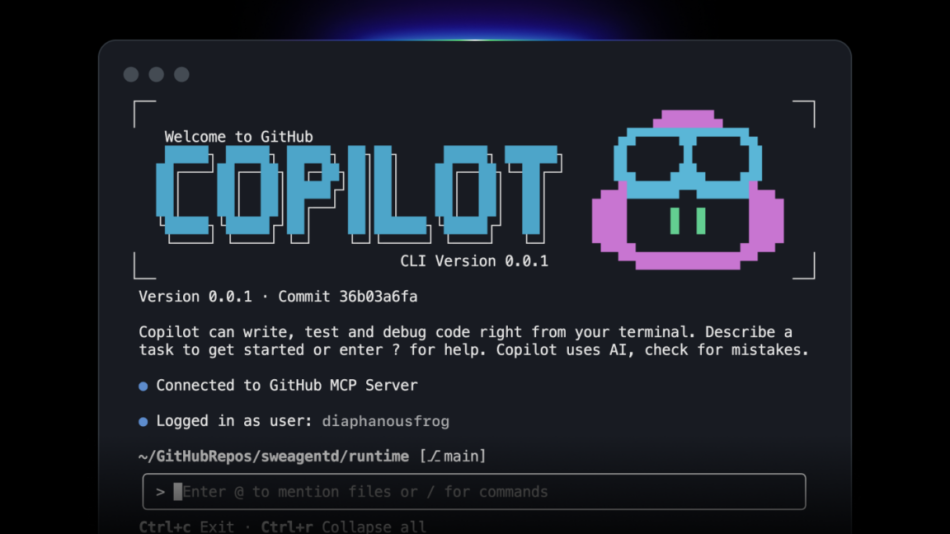
GitHub will start charging Copilot users based on their actual AI usage
In a significant shift in its pricing strategy, GitHub has announced that it will begin charging users of its AI-powered coding assistant, Copilot, based on actual usage. This change aims to create a more equitable pricing model that reflects the varying levels of engagement among users. As the demand for AI tools in software development continues to rise, understanding this new pricing structure is essential for developers and organizations alike.
What is GitHub Copilot?
GitHub Copilot is an AI-driven code completion tool developed by GitHub in collaboration with OpenAI. Launched in 2021, it uses machine learning models trained on vast amounts of publicly available code to assist developers by suggesting code snippets and functions as they type. The tool has been designed to improve productivity, reduce repetitive coding tasks, and support developers in writing better code faster.
Current Pricing Model
Until now, GitHub Copilot has operated under a flat-rate subscription model. Users pay a monthly fee for access to the service, regardless of how much or how little they use it. This model has been beneficial for heavy users who rely on Copilot for extensive coding tasks, but it has also raised concerns among casual users who may not use the tool as frequently.
The Shift to Usage-Based Pricing
The new usage-based pricing model will charge users based on the actual amount of AI assistance they utilize. This change is designed to align pricing with the value derived from the service, making it more accessible for occasional users while potentially increasing costs for those who rely heavily on Copilot. The specifics of the pricing structure have not yet been fully disclosed, but GitHub has indicated that it will be transparent and fair.
Reasons for the Change
- Equity: The new model aims to make GitHub Copilot more equitable by ensuring that users only pay for what they use.
- Encouraging Adoption: By lowering costs for casual users, GitHub hopes to encourage more developers to try Copilot, potentially increasing its user base.
- Reflecting Value: A usage-based model better reflects the varying levels of value that different users derive from the tool.
Impact on Developers
This shift in pricing is likely to have mixed implications for developers. For some, particularly those who use Copilot extensively, the new model could lead to increased costs. However, for many casual users, the change may result in lower expenses, making the tool more accessible. Understanding how this pricing model will affect individual usage patterns is crucial for developers as they navigate their coding needs.
Potential Benefits
- Cost Efficiency: Casual users may find the new structure more cost-effective, allowing them to access AI assistance without a hefty subscription fee.
- Incentive to Explore: Developers who were hesitant to adopt Copilot due to cost may be encouraged to explore its capabilities, leading to increased innovation and productivity.
- Better Resource Allocation: Organizations can allocate budgets more effectively based on actual usage, leading to better financial planning.
Challenges Ahead
- Increased Costs for Heavy Users: Developers or teams that rely heavily on Copilot may face higher costs, which could impact their budgets.
- Usage Tracking: Implementing a system to accurately track usage and bill accordingly may present technical challenges for GitHub.
- User Adaptation: Some users may need time to adapt to the new pricing model and understand how to manage their usage effectively.
How to Prepare for the Change
As GitHub transitions to this new pricing model, developers and organizations can take several steps to prepare:
- Monitor Usage: Keep track of how often you use Copilot to understand your potential costs under the new model.
- Evaluate Needs: Assess whether the tool is essential for your workflow and consider alternatives if costs become prohibitive.
- Feedback to GitHub: Provide feedback to GitHub regarding the new pricing model to help shape future iterations of the service.
The Future of AI in Development
The introduction of usage-based pricing for GitHub Copilot is indicative of a broader trend in the software development landscape. As AI tools become more prevalent, companies will need to adapt their pricing models to reflect the changing needs and behaviors of users. This evolution presents both opportunities and challenges for developers, who must navigate the balance between cost and productivity.
Looking Ahead
As GitHub implements this new pricing strategy, it will be essential for users to stay informed about any updates and changes. The company has committed to transparency throughout this process, ensuring that users understand how their charges will be calculated. The success of this model will likely depend on GitHub’s ability to deliver a seamless experience while providing value to its users.
Conclusion
In conclusion, GitHub’s decision to charge Copilot users based on actual AI usage marks a significant change in its pricing strategy. While this shift may present challenges for heavy users, it also opens up opportunities for casual users to access advanced coding assistance at a lower cost. As the software development landscape continues to evolve, staying informed and adapting to new pricing structures will be crucial for developers looking to leverage AI tools effectively.
Note: The information provided in this article is based on the latest announcements from GitHub and may be subject to change as the company rolls out its new pricing model.