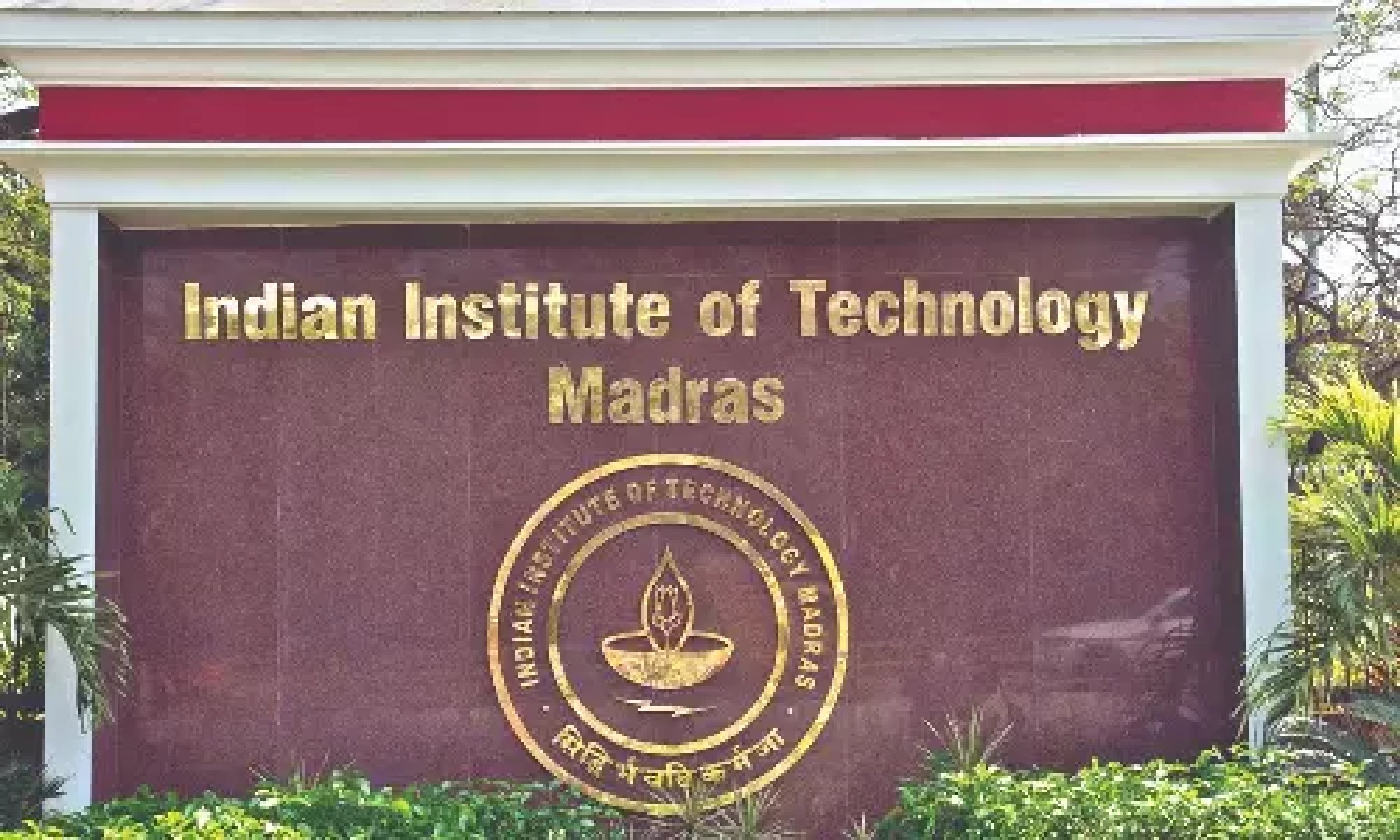
Govt, IIT-Madras to Ready Chilika Restoration Plan
Bhubaneswar: The Odisha government is set to initiate a comprehensive restoration plan for the Chilika lagoon, aiming to rejuvenate its ecosystem and enhance its productivity. This ambitious project, which is estimated to cost around Rs 2,000 crore, will be developed with technical assistance from the Indian Institute of Technology (IIT) Madras.
Collaboration and Funding
On January 10, 2026, Odisha’s law and works minister, Prithiviraj Harichandan, along with Puri MP Sambit Patra, met with Union Finance Minister Nirmala Sitharaman to discuss the need for central government support in restoring and redeveloping the lagoon’s ecosystem and tourism potential. During this meeting, IIT Madras presented a preliminary project report outlining the various aspects of the lagoon’s development.
Preliminary Project Report Highlights
The preliminary project report (PPR) prepared by IIT Madras emphasizes several critical interventions necessary for the restoration of Chilika. Key points from the report include:
- Opening a new tidal mouth based on detailed numerical model analysis.
- Desilting critical internal channels alongside maintenance and dredging efforts.
- Conducting detailed bathymetric and hydro-sedimentological surveys.
Current Challenges Facing Chilika
Chilika lagoon, a designated Ramsar site, has been facing significant ecological challenges. Forest Minister Ganesh Ram Singhkhuntia reported that the lagoon’s depth has been decreasing annually. Over the past five years, the forest department has extracted 326,716 cubic meters of muddy sludge from the lagoon. Each year, approximately 800,000 metric tonnes of muddy soil enters the lagoon, contributing to sedimentation and reducing its depth.
The lagoon currently has a minimum depth of 0.38 meters and a maximum depth of 6.2 meters. The PPR highlights the need to reopen the mouth of the lagoon to maintain salinity, which is crucial for:
- Improving fish migration.
- Reducing stagnation.
- Controlling weed growth.
Fisheries Infrastructure and Sustainable Tourism
The report also points out the necessity for upgrading fisheries infrastructure due to the lack of modern landing facilities. It calls for a study on the carrying capacity for community-based “responsible” tourism, particularly for dolphin watching at Satapada and bird watching at Mangalajodi. This is aimed at ensuring that tourism development balances conservation efforts with community benefits.
Ecological Assessment and Fisheries Management
In addition to tourism, the report emphasizes the importance of sustainable fisheries resource management. A comprehensive hydro-ecological assessment will be conducted to evaluate:
- Finfish and shellfish diversity.
- Species stock integration.
- Fish recruitment trends.
- Trophic interactions.
- Environmental stress factors affecting fish stock sustainability.
This assessment will inform fisheries management strategies aimed at optimizing the lagoon’s ecological health.
Chilika Lagoon: A Diverse Ecosystem
Spanning over 1,100 square kilometers, the Chilika lagoon is home to various habitats, including:
- Mangalajodi: Known for its reed swamps.
- Nalabana: Recognized for its mudflats and reed swamps.
- Satapada Beach: Offers open water areas.
- Rambha: Another significant open water region.
Conclusion
The restoration plan for Chilika lagoon represents a crucial step towards revitalizing its ecosystem and enhancing its economic potential through sustainable practices. With the collaboration of the Odisha government and IIT Madras, the project aims to address the pressing challenges facing this vital wetland, ensuring its health for future generations.
Note: The information provided in this article is based on the latest updates as of January 10, 2026, and may be subject to change as the project progresses.